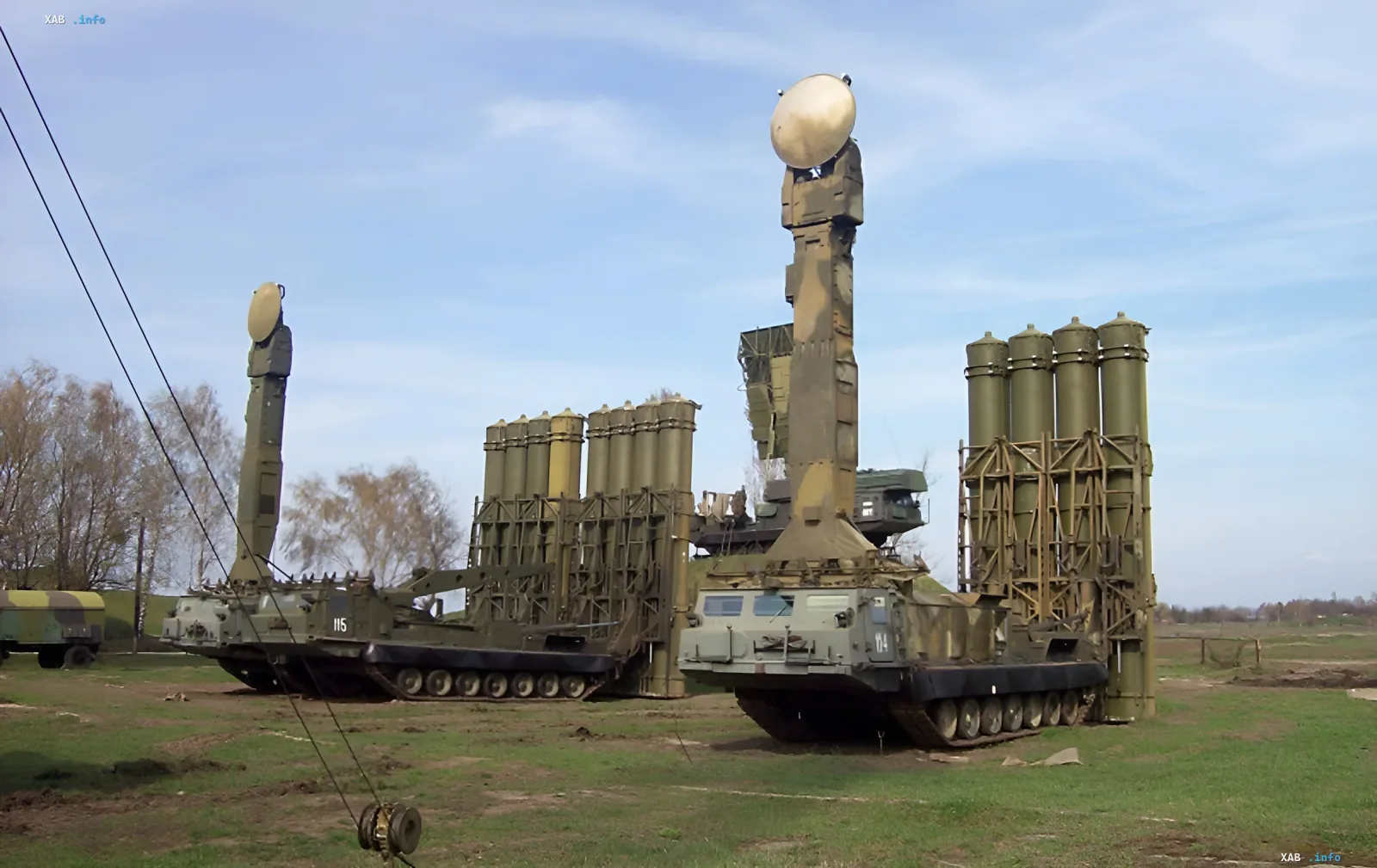
The Russian army is facing a critical shortage of ammunition for one of its key air defense systems — the S-300 surface-to-air missile complexes. According to intelligence data, Moscow is depleting its stockpiles of these missiles at an unsustainable rate, significantly weakening Russia's ability to protect its facilities from air attacks.
Missiles for Ground Strikes
One of the main reasons for the reduction in arsenals has been a change in weapon application tactics. Russian forces are massively repurposing S-300 air defense missiles, using them as surface-to-surface missiles to strike targets on Ukrainian territory. This decision, intended to compensate for the lack of conventional ammunition, results in air defense systems losing their primary functions.
Expensive Drone Intercepts
The situation is exacerbated by Ukraine's active use of new long-range unmanned aerial vehicles, particularly jet-powered models. The Russian command is forced to spend expensive interceptor missiles to repel attacks by relatively cheap drones. Instead of countering missile threats, Russia's air defense is being expended on fighting unmanned aerial vehicles.
Hunting Air Defense Systems
Ukraine is also conducting a targeted campaign to destroy Russian air defense assets. Over the past few months, a significant number of systems have been damaged or disabled in Crimea, Luhansk, and other occupied territories. As Russian military expert Rob Lee noted, this deals a serious blow to the enemy's defensive capabilities.
Sanctions and Production Issues
It is extremely difficult for Russia to replenish losses of Soviet-era S-300 complexes. Strict Western sanctions have led to a shortage of critical imported components. In particular, there are problems with the supply of homing warheads and control modules, which were previously manufactured in China and Europe.
Shifting Priorities and New Threats
The Main Directorate of Intelligence of the Ministry of Defense of Ukraine notes that, despite the problems, Russia still retains significant defensive capabilities. However, the strategy is changing: Moscow is shifting resources to the production of missiles for more modern systems, such as the S-350, S-400, and "Pantsir-S1".
The weakening of air defense was vividly demonstrated by the events of the night of June 14. Ukrainian defense forces carried out a massive drone attack on the deep rear areas of Russia. Strategic facilities were hit, including a command and observation post in the Bryansk region and oil reserves in the Yaroslavl region. The attack on the oil depot in Rybinsk was so large-scale that it required blocking the highway towards Moscow, while a chemical plant in the Tula region producing explosives for the army was also hit.


