The strategic balance of power in the conflict zone is undergoing fundamental changes. The latest information and satellite imagery indicate that Russia is forced to revise its air defense system, neglecting the protection of Arctic frontiers. The reason for this massive regrouping is the regular and successful attacks by Ukrainian drones on the enemy's deep rear.
Evacuation of Air Defense Systems from the Arctic
Key Russian military objects in the Arctic, previously heavily guarded, have been left without a significant portion of their protection. The Kremlin has decided to redeploy battalions from several strategic points to close gaps in the defense of regions more vital to the economy and the political center.
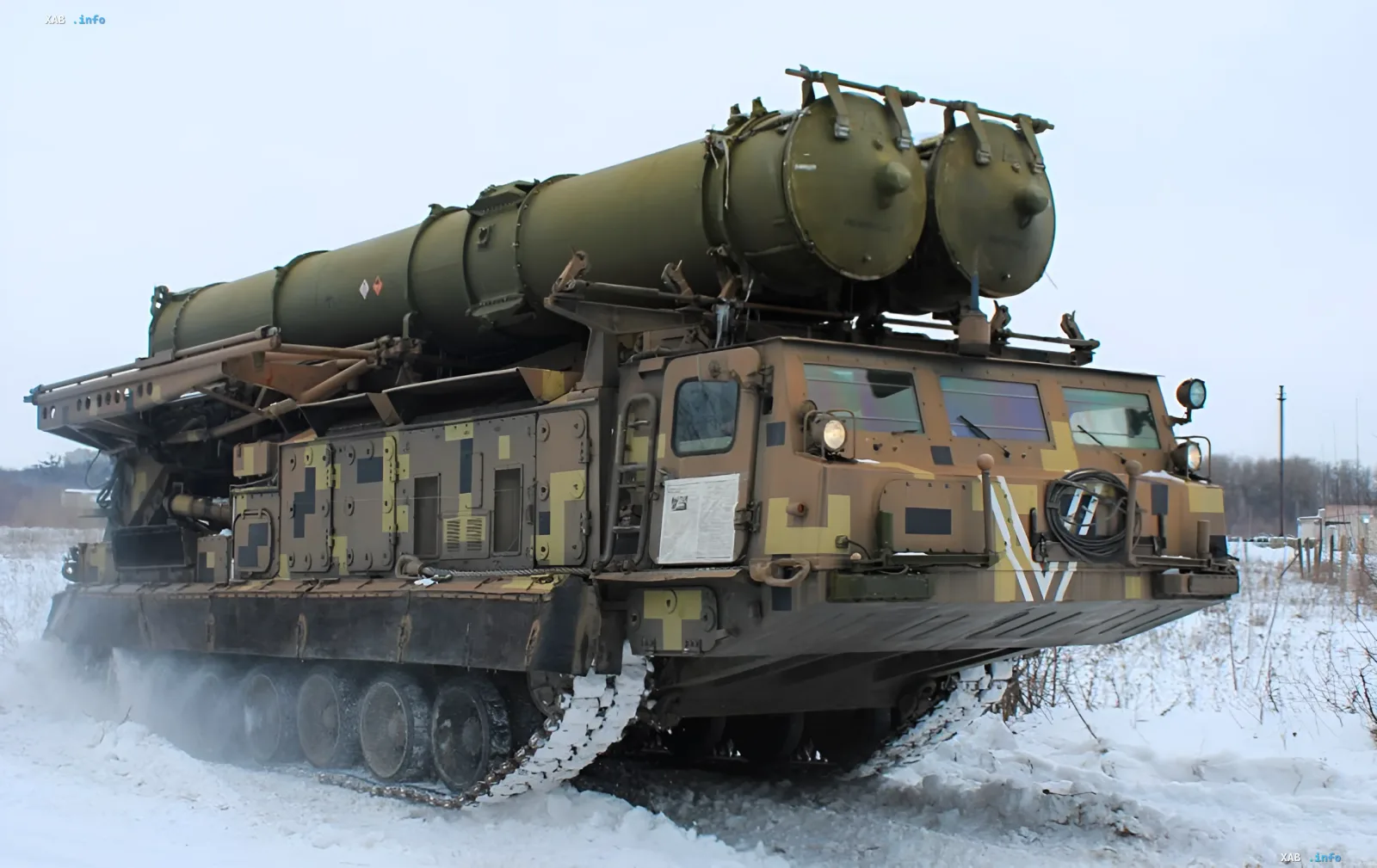
According to analysts, about 60% of Russian S-300 and S-400 systems have been moved from their permanent positions, where they stood before the start of the full-scale invasion in 2022. This indicates that long-range strikes by Ukrainian drones present the Russian command with a difficult dilemma: protect military bases in the north or protect oil refineries and Moscow.
Redistribution of Resources: From Severodvinsk to Crimea
The most significant changes have been recorded in several strategic zones. Part of the Arctic air defense units has been redeployed directly to the combat zone. In particular, one of the complexes from Severodvinsk ended up in occupied Crimea. There, the commander of this complex, Lieutenant Colonel Vladimir Spiridonov, was subsequently eliminated.
The released systems are being installed by Russian military personnel near objects that are regularly attacked by Ukrainian drones. For example, a new battery was deployed near the Saratov oil refinery, which has repeatedly suffered strikes. Furthermore, S-400 complexes are increasingly appearing directly in the city parks of Moscow. Russian authorities are willing to risk the security of remote regions to cover their political and industrial centers.
SBU Successes and Strikes on Logistics
The Security Service of Ukraine continues to systematically target strategic objects on Russian territory and in occupied Crimea, weakening the enemy's logistics and military potential. The special service has summarized the results of the latest stage of large-scale strikes, publishing the results of a 40-day operation to strike Russian oil refineries, oil depots, and airfields.
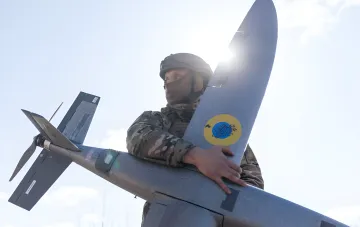
Ukrainian drones are carrying out successful attacks on the enemy's deep rear. Recently, objects in Bashkortostan came under attack: the SBU struck the "Cherkasy" oil pipeline pumping station — one of the main objects of the "Transneft-Ural" company.
Also under constant fire control are the military forces of the occupiers on the peninsula. Previously, fighters of the SBU's special unit "Alpha" struck the "Dzhankoy" airbase, a port in Crimea, and a number of other important logistical hubs of the invaders. These actions force Moscow to constantly change the location of its weapons, leaving entire regions defenseless.