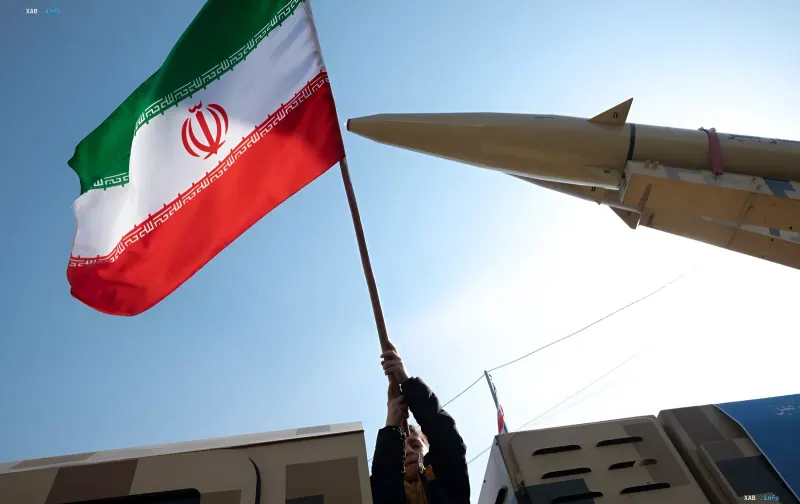
The Ukrainian private intelligence organization Dallas Analytics has provided journalists with the production schedule of a major Russian defense enterprise for 2024–2025. The documents record an export order for 90 APU-L launchers for the "Izdeliye 305" guided missiles—the very systems that the Russian military is actively using in combat operations in Ukraine. In the defense documents, Iran is designated by the codename "K-10." These contracts were not publicly announced, which, according to analysts, indicates Moscow's desire to maintain confidentiality amid deepening military cooperation with Tehran.
Pressure on production deadlines
According to the supporting materials, in May 2024, the Russian company "Vympel" sent a letter to the KBM design bureau requesting an acceleration of component deliveries for the APU-L and APU-305 launchers. The document noted that delays could jeopardize nine contracts at once. The attached schedule lists seven Russian customers and two foreign buyers. Both types of launch systems are designed for helicopter launches of the "Izdeliye 305" missile, capable of hitting moving targets at a range of up to 14 kilometers.
Technical parameters of the missile complex
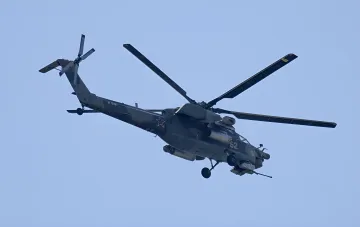
According to Dallas Analytics, the "Izdeliye 305" missile travels at a speed of about 230 meters per second and covers the target area in approximately one minute. The operator retains the ability to correct the trajectory in real time, making the system effective against mobile ground targets. APU-L launchers are designed specifically for Mi-28 attack helicopters and are designed to house two missiles. This means that to fully utilize the complex, Iran requires not only the launchers themselves but also the appropriate helicopter infrastructure.
Iranian helicopter component already in place
Tehran already possesses the carriers for these launchers: Mi-28 attack helicopters are in service with the Iranian Air Force. In January 2026, photographs of these specific machines were recorded at aviation facilities in Tehran. Thus, the infrastructural prerequisite for integrating Russian missile systems into Iranian aviation, according to available data, has already been created, and the delivery of the launchers could be completed in a relatively short time.
Broader context of Russian-Iranian military rapprochement
The documentation regarding the supply of the launchers fits into a broader picture of growing defense partnership between Moscow and Tehran. CNN previously reported that Russian intelligence satellites could have provided Iran with data that helped Tehran conduct more precise strikes on American facilities in the Middle East. Specifically, two days before a devastating attack on an American base in Saudi Arabia, 14 Russian satellites flew over it. The combination of these facts indicates that the military interaction between the two countries goes beyond traditional arms trade and involves intelligence and operational cooperation.
What remains unconfirmed
At the same time, the provided documents lack confirmation that Russia has already physically transferred the contracted launchers to the Iranian side. The production schedule records the existence of an order and planned dates, but not the fact of shipment. Thus, at the current moment, we are talking about a recorded intent and production preparation, not a completed delivery. Independent verification of the actual status of the contract is currently impossible due to the closed nature of defense procedures in both countries.