August 16, 2026. July 2026 has gone down in the history of the Russo-Ukrainian war as one of the bloodiest months for the Russian army since the start of the full-scale invasion. According to data published by RBC-Ukraine citing The New York Post, the Russian Armed Forces have suffered colossal losses that could become a turning point in the Kremlin's strategy.
Record losses: 42,860 personnel in one month
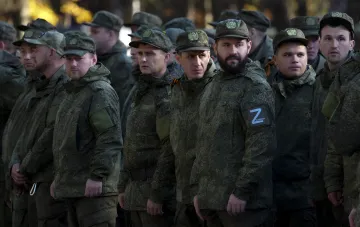
Statistics for July 2026 demonstrate an unprecedented level of destruction of Russian personnel. In just one month, 42,860 servicemen were lost on the battlefield, including killed and wounded. This is the highest figure since January 2025 and the fourth largest result since the war began in 2022. Experts note that the rate of losses is not slowing down, despite Moscow's attempts to transfer reserves and strengthen defensive lines.
Total balance: 1.5 million and the mobilization crisis
According to estimates by analytical centers, Russia's cumulative losses by August 2026 are approaching 1.5 million people. This figure presents Vladimir Putin with a critical problem: the army's human resources are exhausted. Recruiting volunteers is becoming less effective, forcing the Kremlin to resort to radical measures. It is known that in recent months, cases of recruiting citizens of African countries through fraudulent schemes have been recorded, as well as the mass use of prisoners to carry out suicide missions.
Breakthrough in the south: Ukrainian Armed Forces retake 780 square kilometers
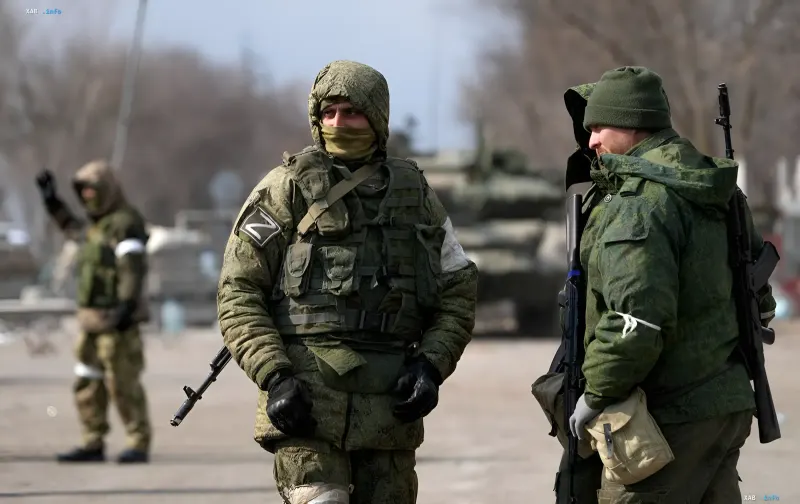
While Russia suffers losses, the Armed Forces of Ukraine are demonstrating high efficiency in counter-offensive operations. On the southern front, Ukrainian troops liberated about 780 square kilometers of territory, regaining full control over 26 settlements. In particular, in the area where the borders of the Dnipropetrovsk, Donetsk, and Zaporizhzhia regions intersect, the Ukrainian Armed Forces pushed the enemy back more than 11 km. These successes, although local, systematically undermine Russia's control over occupied territories and destroy its logistical chains.
Political consequences and the threat of new mobilization
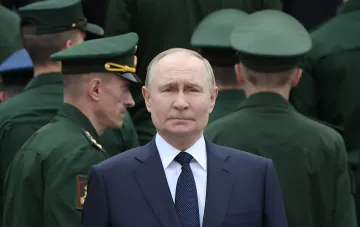
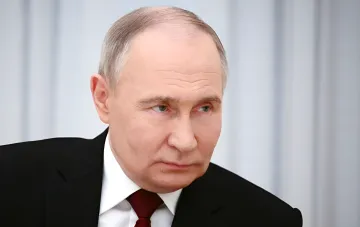
The crisis on the front line directly affects Russia's internal politics. It is believed that Vladimir Putin plans to announce a new large-scale mobilization after the parliamentary elections scheduled for autumn 2026. Ukrainian President Volodymyr Zelenskyy previously warned that such a mobilization would be a direct challenge to all of Europe, as the Kremlin needs to demonstrate successes and may seek them outside Ukraine. Experts do not rule out that, in the event of an inability to replenish losses, Moscow may be forced to enter into peace negotiations.
Contradictory data
There are discrepancies in the assessment of exact loss figures. The official representative of the Russian Ministry of Defense traditionally understates the figures, calling losses "insignificant" and "proportional." At the same time, Western intelligence services and Ukrainian sources operate with figures in the tens of thousands. The gap between the Kremlin's official rhetoric and the reality on the battlefield, recorded by independent observers, continues to grow, indicating an attempt to hide the scale of the catastrophe from Russian society.