
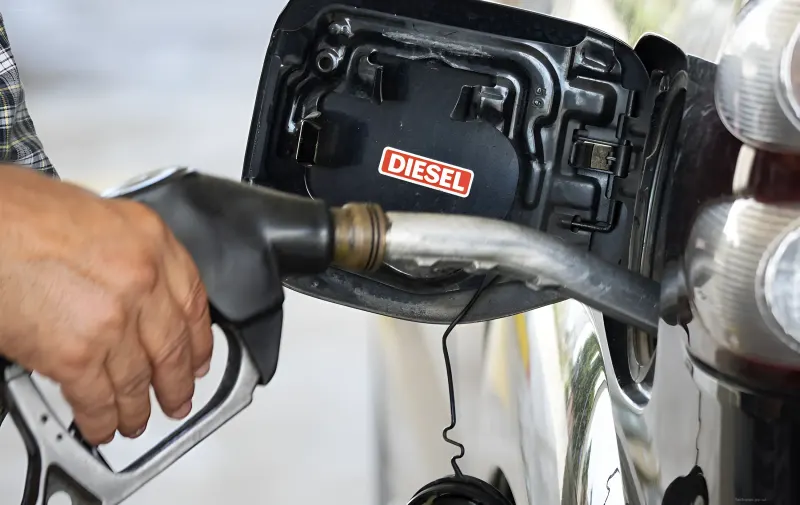
The fuel war has entered a new phase. Ukrainian strikes on Russia's energy infrastructure have ceased to be isolated incidents and have become a systematic tool of pressure hitting the Kremlin's "purse." Reuters notes a worrying trend: Russia is losing millions of tons of diesel fuel, and this is no longer just statistics, but a real threat to the domestic market and Moscow's export ambitions.
Diesel production in Russia has declined for the second month in a row. If in March the plants pumped out about 7.5 million tons of fuel, by May the situation changed drastically. According to the agency, in April the decline was about 10%, and in May the situation repeated. In monetary and tonnage terms, the losses are colossal: in April the market lost 1 million tons, in May — another 600,000 tons. The reason is damage to refineries from Ukrainian drone strikes, which force enterprises to reduce capacity or stop lines.
Kyiv's strategy is simple and effective: hit the refineries to reduce revenues from the sale of oil products, which go to finance the war. However, despite the decline in production, Russia continues to actively export diesel. Sea shipments in April increased by 8% and reached 3.25 million tons, and in May remained at this level. This created a paradoxical situation: the plants are burning, and the fuel is leaving abroad.
This imbalance has forced Russian authorities to seriously consider introducing a temporary ban on diesel exports to ensure the domestic market during the field work season. However, industry experts are skeptical about this step. New restrictions may only exacerbate the problems of refiners, who are already working under constant risk of attacks.
The situation is exacerbated by the global context. Against the backdrop of the conflict around Iran and tension in the Strait of Hormuz, oil prices are rising. Russia could have used this to increase revenues, especially after the US extended a temporary license for the sale of Russian oil at sea. According to Vladislav Vlasjuk, in just two months of such relief, Moscow earned an additional more than $5 billion. But the decline in diesel production puts at risk Russia's ability to monetize these high prices in full.
Ukrainian President Volodymyr Zelensky emphasizes: there are no grounds for easing sanctions. Any relief only prolongs the war. Meanwhile, strikes on refineries continue to inflict tangible damage, turning Russia's fuel sector into one of the most vulnerable links in its economy.


