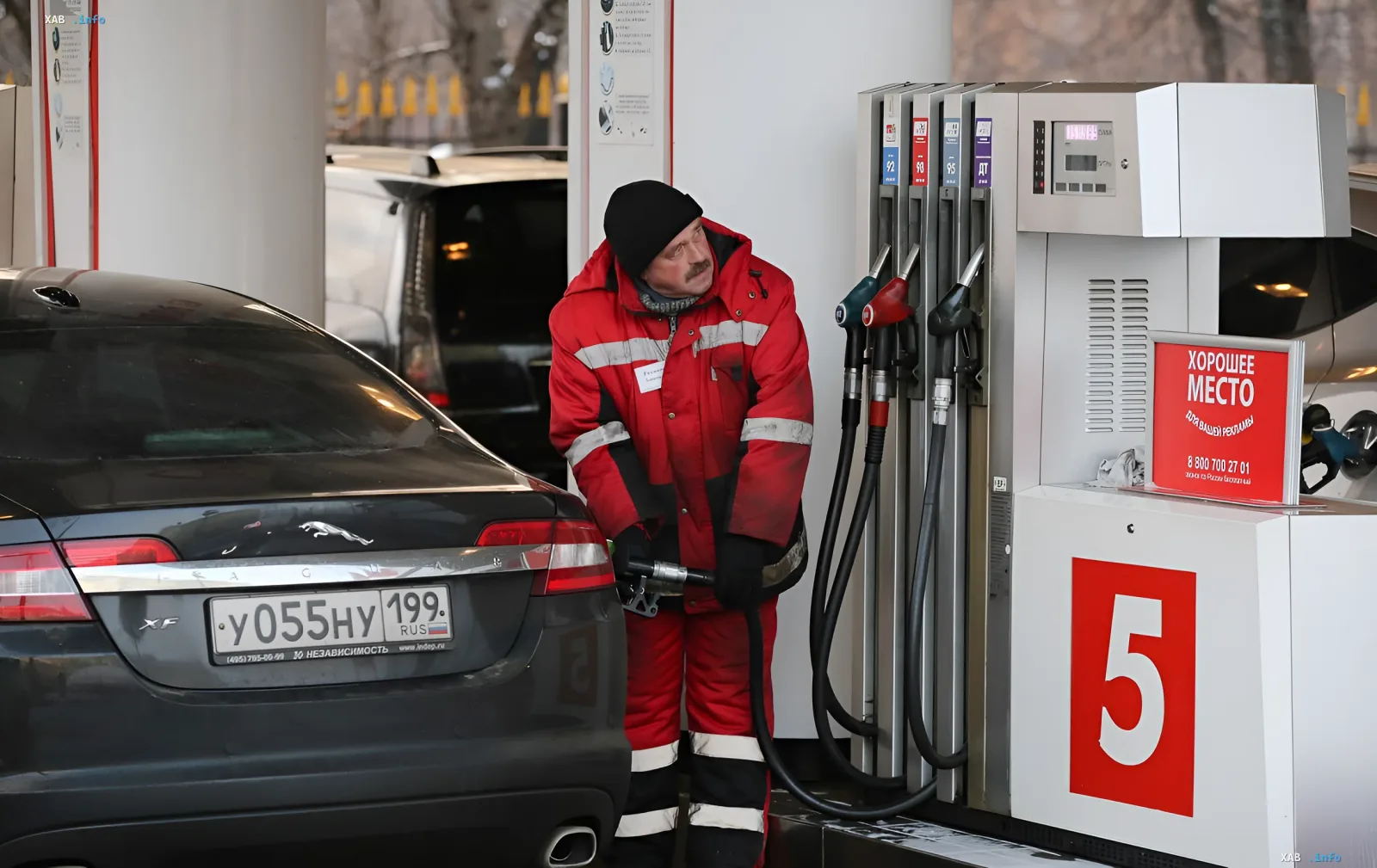
Russian authorities have made an unprecedented decision: oil refineries are officially permitted to produce fuel with low quality and high environmental impact. This measure, aimed at the domestic market, is intended to halt the critical depletion of fuel reserves caused by systematic attacks by Ukrainian drones.
Critical Situation at Refineries
The situation at Russian energy facilities has reached a crisis stage. According to analysts and official statistics, since the beginning of 2026, the number of drone strikes by the Ukrainian Armed Forces (AFU) on oil refineries (OR) in the rear of the occupiers has doubled. The attacks have become longer-range and more precise: a strike on an oil facility in the Yaroslavl region, located more than 700 kilometers from the Ukrainian border, has been recorded.
The result of the strikes was the disabling of key equipment. The production of gasoline, diesel fuel, and aviation kerosene was partially halted, leading to a significant restriction of supplies to the domestic market.
Ecology vs. Economy: Permission for 'Dirty' Fuel
Attempts to stabilize the market began last autumn when officials first relaxed quality requirements. Now, this measure has been officially extended. Russian plants are permitted to sell fuel containing a significant excess of harmful substances.
Experts note that such compounds are extremely dangerous for human health and machinery. However, the authorities, ignoring environmental risks, prioritize the task of filling up gas stations. Official documents regulating these changes are not yet available in the public domain, which only increases uncertainty in the market.
Market Reaction: Price Hikes and Shortages
Economic consequences hit consumers almost instantly. Fuel prices on the Saint Petersburg Exchange surged. In just the first half of June, the cost of AI-95 gasoline and diesel fuel rose by 10 percent.
Traders predict further price increases. Acute shortages are already being observed in several regions. In Moscow and St. Petersburg, drivers have faced real problems: major gas station networks have introduced strict limits on the sale of gasoline and diesel.
Attempts by citizens to fill up in advance have only intensified panic in the market. Despite the permission to produce low-quality fuel, it has not yet been possible to saturate the market with the necessary resources. The situation is expected to remain tense until the operation of refining capacities stabilizes.


