
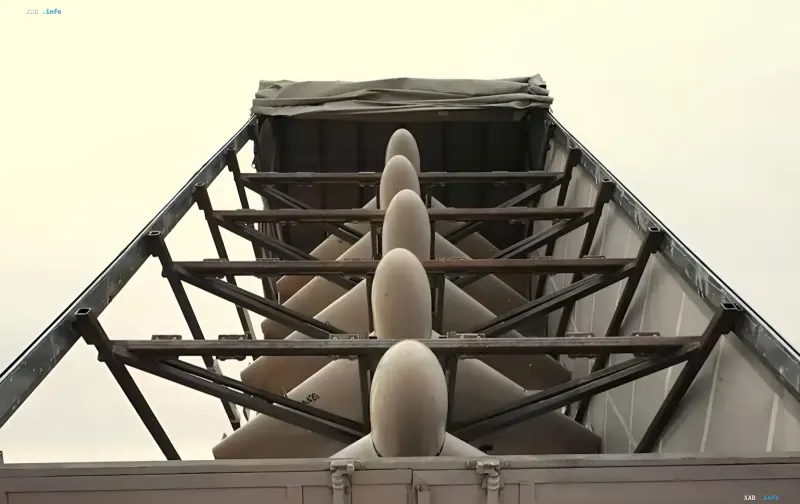
The military situation on the front requires the command of the Armed Forces of Ukraine to constantly adapt to changing conditions. It has become known that the Russian command is preparing significant changes in its tactics for the use of unmanned aerial vehicles. According to data announced by the Commander-in-Chief of the Armed Forces of Ukraine, Oleksandr Syrskyi, the aggressor intends to double the share of jet attack drones in its attacks.
Statistics of the Air Confrontation
The situation in the sky remains tense, but Ukrainian forces are demonstrating high efficiency in intercepting air threats. According to Syrskyi, the overwhelming majority of neutralized "Shahed" and "Geran" type drones are the result of the work of Ukrainian interceptor drones. May statistics confirm this thesis: in just one month, more than 3,500 enemy UAVs were shot down in three tiers of air defense.
The second tier of defense proved to be the most effective. It is the responsibility of the Unmanned Systems Forces, which destroyed more than 1,200 enemy drones in May. Army aviation assets also make a significant contribution. During the same period, helicopters destroyed more than 440 Russian drones of various types. The command notes that pilots are receiving new detection, targeting, and missile armaments, which is already yielding tangible results.
Change in Enemy Strategy
Russia is not only increasing the number of drones used but is also working on improving their quality. The Commander-in-Chief of the Armed Forces of Ukraine warned that the enemy plans to bring the share of jet attack drones to 50% of the total number of attacks. This poses new challenges for the Ukrainian defense, requiring a timely and adequate response.
Following a meeting on issues of countering enemy UAVs, Oleksandr Syrskyi defined key tasks for the next period aimed at neutralizing this threat. Despite statements by the Russian leadership about "successes" and the end of the war, the real situation on the front indicates the need for a tough struggle in the air.
Context of Hostilities
Alongside the escalation in the airspace, analysts from the Institute for the Study of War (ISW) note that Russia's summer offensive is doomed to failure. Russia is trying to encircle Lyman using a scheme similar to the one used in 2022. However, experts point out that the occupiers' starting positions are now significantly worse than a year ago, which casts doubt on the success of the planned operations.


