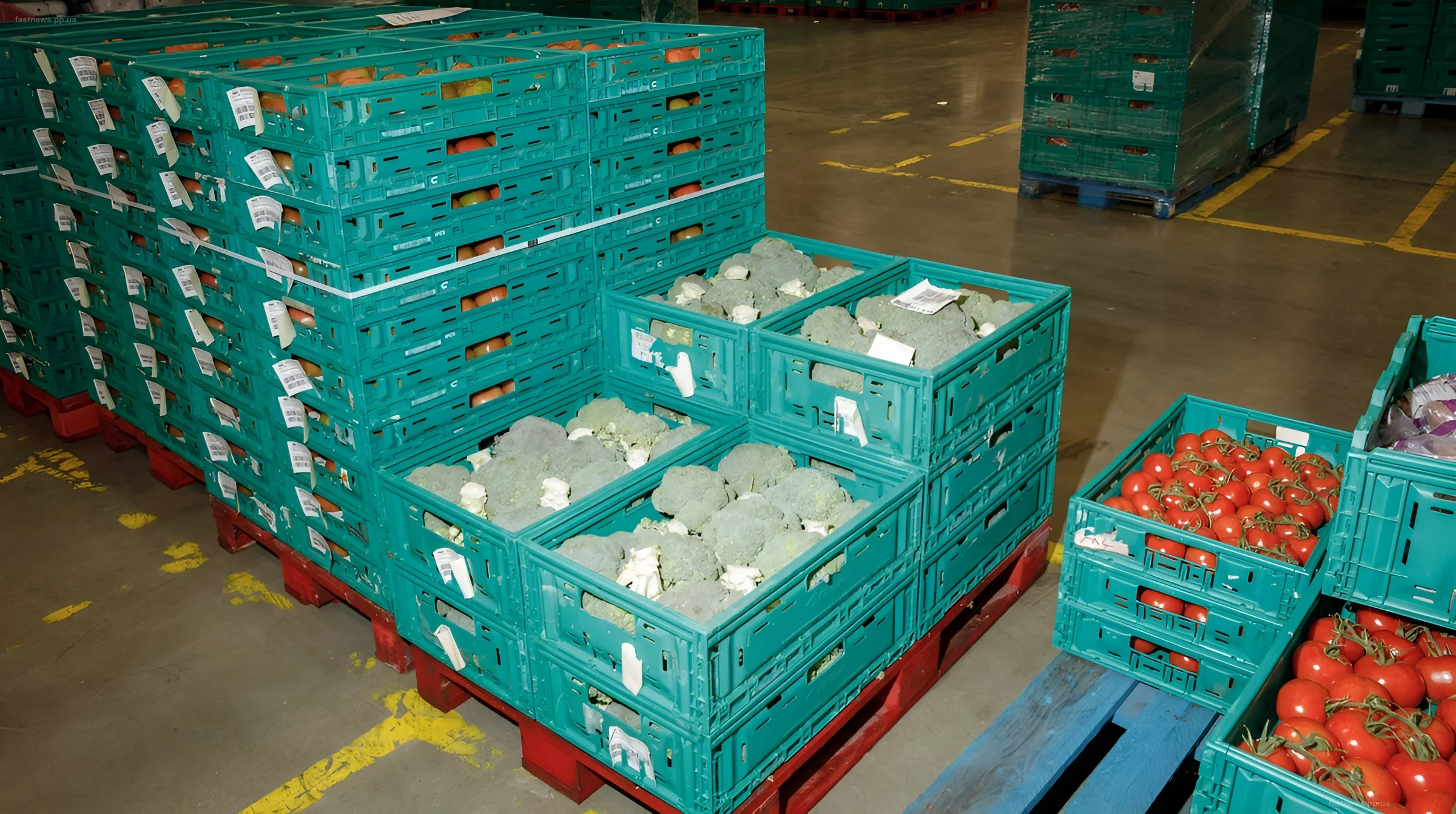
The fruit and vegetable market in Russia has faced an unexpected turn. Starting May 30, Rosselkhoznadzor is introducing strict restrictions on the import of fresh vegetables and fruits from Armenia. This decision, made at the agency level, puts logistical chains and suppliers accustomed to the free transit of goods between EAEU countries at risk.
What is banned?
The list of goods whose import is now restricted is substantial. Not only seasonal crops but also popular year-round items are affected. Specifically, this includes tomatoes, cucumbers, peppers, greens, and strawberries. The restrictions are not indefinite, but they will last until a new algorithm for ensuring the safety of shipped products is developed and implemented.
Reason: Threat to Biological Safety
The agency cites a serious reason: a threat to the phytosanitary well-being of the country. According to regulatory bodies, the situation with supplies from Armenia has reached a critical point. Since the beginning of the current year, 181 cases of violations have been recorded, related to the presence in greenhouses of objects that are quarantine pests for all EAEU member countries.
Particularly alarming is the fact that Yerevan has not taken effective measures to eliminate the identified problems. Moreover, the market has been flooded with suppliers of unknown ownership forms who systematically evade mandatory quarantine phytosanitary control. This creates a "gray zone" through which dangerous pests and plant diseases can enter the country.
Consequences for the Market
The introduction of restrictions effectively means a temporary pause in the supply of Armenian vegetables. This could lead to price increases on Russian supermarket shelves and a search for alternative suppliers. For Armenian exporters, this is a signal to immediately restructure the quality control system and business transparency; otherwise, access to one of the largest sales markets will be closed for a long time.


