On Thursday, October 15, 2026, the Khmelnytskyi region faced multiple airspace attacks by Russian unmanned aerial vehicles. This was reported in his Telegram channel by the head of the Khmelnytskyi Regional Military Administration, Serhiy Tiurin. According to him, enemy drones carried out strikes across the region repeatedly throughout the day, indicating a deliberate attempt to destabilize the situation in western Ukraine.
Air Defense Operations and Recorded Damage
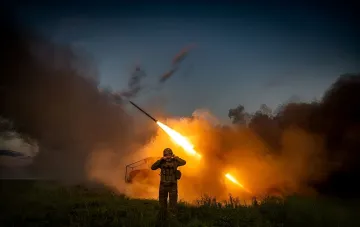
In response to the attacks, air defense units were deployed in the skies over the Khmelnytskyi region. Serhiy Tiurin confirmed that air defense forces worked to intercept the drones, though they could not completely prevent the strikes. As a result of the attack, certain damage was recorded, the exact scale of which was not disclosed at the time of publication.
Fire at Oil Depot in Shepetivka District
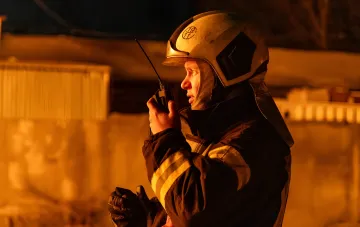
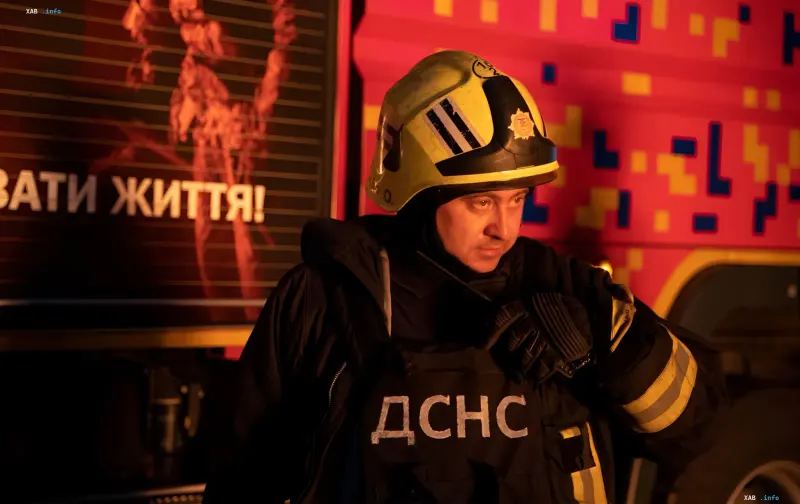
The most serious consequence of the morning attack was a fire that broke out on the premises of an oil depot in the Shepetivka district of the region. The head of the RMA directly linked the blaze to the aftermath of the drone strike. Information on whether the fire was localized and the volume of damaged storage tanks was not specified in the statement. Fires at fuel storage facilities traditionally pose a high danger due to the risk of secondary explosions and the spread of flammable substances.
The Threat Persists: A Call to Residents
Serhiy Tiurin emphasized that at the time of the statement's publication, enemy drones were still present in the airspace of the Khmelnytskyi region. In this regard, the head of the regional military administration urged local residents to follow safety measures, remain in shelters, and not leave safe places until the air raid alert is lifted. The appeal served as a standard yet critically important instruction amid the ongoing attack.
Context: Attacks on Western Regions
The Khmelnytskyi region, located in western Ukraine, has increasingly found itself within the range of Russian strike drones in recent months. Attacks on fuel infrastructure facilities, including oil depots, have become a characteristic element of Russia's strategy to undermine logistical and energy chains in rear regions. Each such incident creates additional burdens for emergency response systems and requires the mobilization of fire and rescue services.