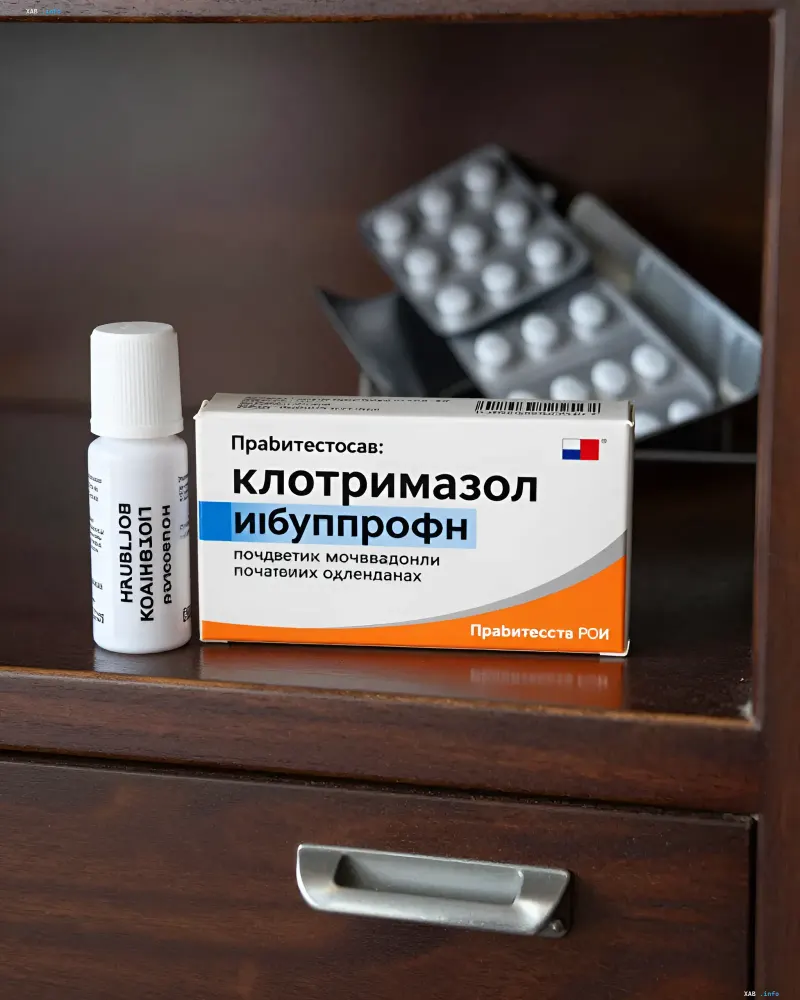
The Russian government has approved a list of medications that can be sold at post offices. This is reported by 'Farmatsevtichesky Vestnik'. The initiative concerns over-the-counter drugs that are freely dispensed in regular pharmacies and, according to the authorities, are in highest demand for outpatient treatment. In fact, this involves creating a new access channel for basic medicines, integrated into the existing postal communication infrastructure.
What is Included in the Approved List
The list includes 128 drugs divided into nine thematic sections. All of them belong to the OTC category, meaning they can be purchased in regular pharmacies without a doctor's prescription. The list features remedies most commonly used in non-inpatient treatment — from painkillers and antipyretics to antifungals and other widely used forms. The exact composition of the sections has not been detailed in public reports, but the key selection principle is mass demand and safety for over-the-counter dispensing.
Conditions: Staff Training
Simply having a medication on a post office shelf does not mean it can be sold starting tomorrow. According to the approved rules, post offices will be allowed to dispense drugs only after employees complete a special training course. Thus, the government builds not only a logistical but also a qualification barrier into the scheme: the seller must understand what exactly they are dispensing and be able to correctly advise the buyer within the OTC assortment.
Why This is Needed: Accessibility Far From Pharmacies
The Russian Ministry of Health explained the initiative by a practical task — ensuring the availability of medicines in settlements lacking medical institutions or pharmacies. For residents of such areas, traveling for a basic medication can take hours and require significant transport expenses. Integrating sales into the postal network reduces this distance to the nearest branch, which is present in the vast majority of villages and settlements.
Scale of the Russian Post Network
The initiative relies on the geography of the country's largest branch network. In total, Russian Post has just under 40,000 branches, of which about 27,000 are located in rural and remote settlements. This specific share — more than two-thirds of the entire network — defines the target audience for the innovation: people for whom a pharmacy in the nearest town or district center is inaccessible due to distance.
Thus, the approved list of 128 OTC drugs and the staff training requirement form the basis for a pilot or phased launch of medicine sales through post offices. The ultimate effect of the initiative — how much the availability of basic medications will actually increase in small settlements — will become clear after employees complete training and sales actually begin.