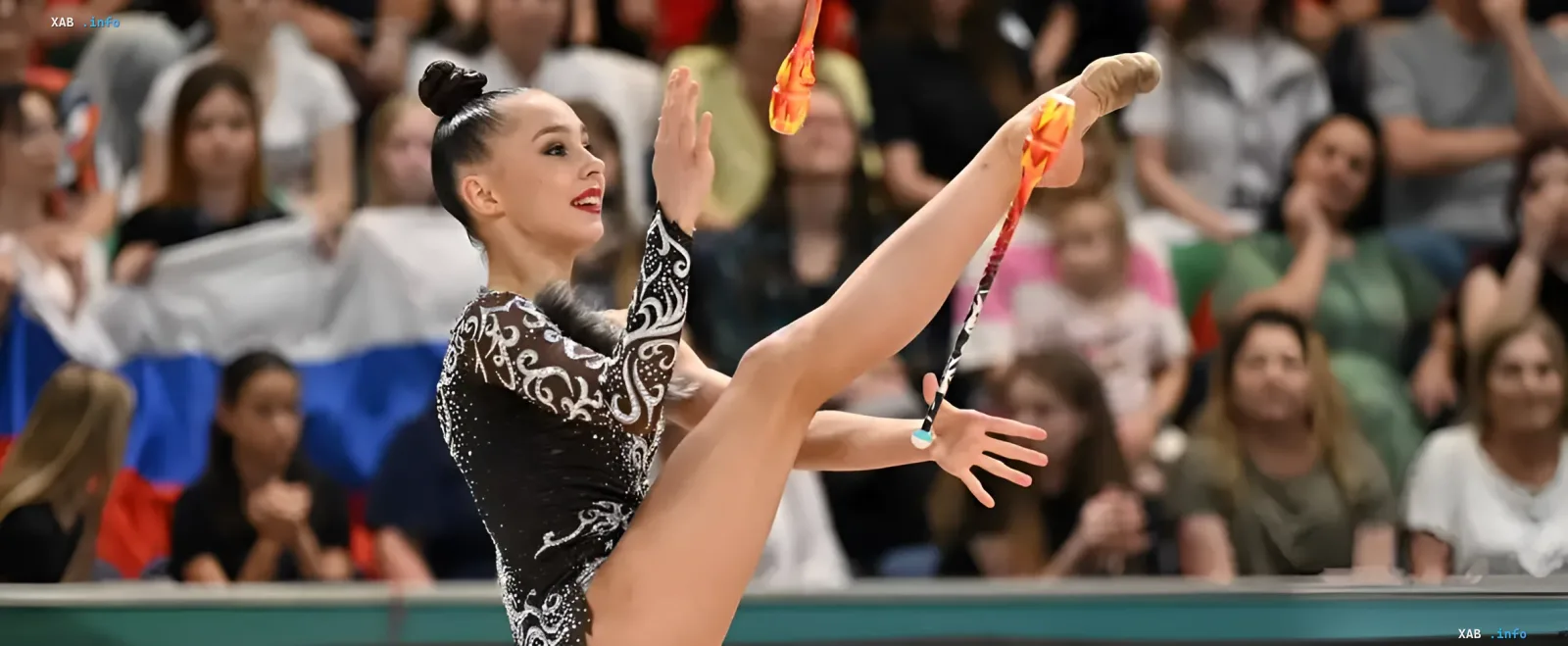
Sports diplomacy has once again faced a tough political challenge. The Russian artistic gymnastics team has officially refused to participate in an international tournament scheduled to take place in the Romanian city of Cluj-Napoca. The reason for the cancellation of the national team's performance was the ban on displaying the state symbols of the Russian Federation, introduced by local authorities.
Clash of regulations and security policy
The decision to cancel the applications was made by the leadership of the Russian delegation after the organizers of the competition voiced their requirements. The municipal authorities of Cluj-Napoca and the local organizing committee categorically banned the use of the flag and the playing of the anthem of Russia within the framework of the tournament.
The Romanian side justified this step with national security policy and current foreign policy directives of the state. The city authorities stated that the placement of elements of Russian state symbolism on public sports facilities contradicts their position on regional conflicts.
Position of the Russian delegation
The Russian Gymnastics Federation (RFGF) classified the requirements of the host side as a violation of the current regulatory provisions of the International Gymnastics Federation (FIG). According to Russian representatives, the FIG regulations provide for clear legal procedures for admitting athletes, which were unilaterally adjusted by the municipal committee.
The key point of the conflict was the issue of the format of participation. Russian athletes were offered to perform on the terms of neutral status — without national attributes. However, the Russian delegation rejected this offer, considering the conditions discriminatory. As a result, a full boycott of the stage was announced.
Impact on the tournament grid
The international tournament in Cluj-Napoca is of great importance: it is included in the calendar plan of European gymnastics associations and serves as a platform for qualification selection and verification of sports ranks. Despite the absence of the Russian team, the competition will continue.
According to Romanian sports officials, the demarche of one of the delegations will not lead to the rescheduling of schedules or suspension of the event. The jury and the organizing committee are working in normal mode. Representatives of more than twenty national federations of Europe and the world will take part in the tournament.
The freed-up quotas in the competitive sessions will be redistributed according to standard FIG protocols among reserve participants. The legal collision remains in the field of view of experts: according to the General Regulations of the FIG, host associations are obliged to coordinate local rules with international sports law, however, sovereign bodies retain priority in regulating the symbolic regime within their jurisdiction.


