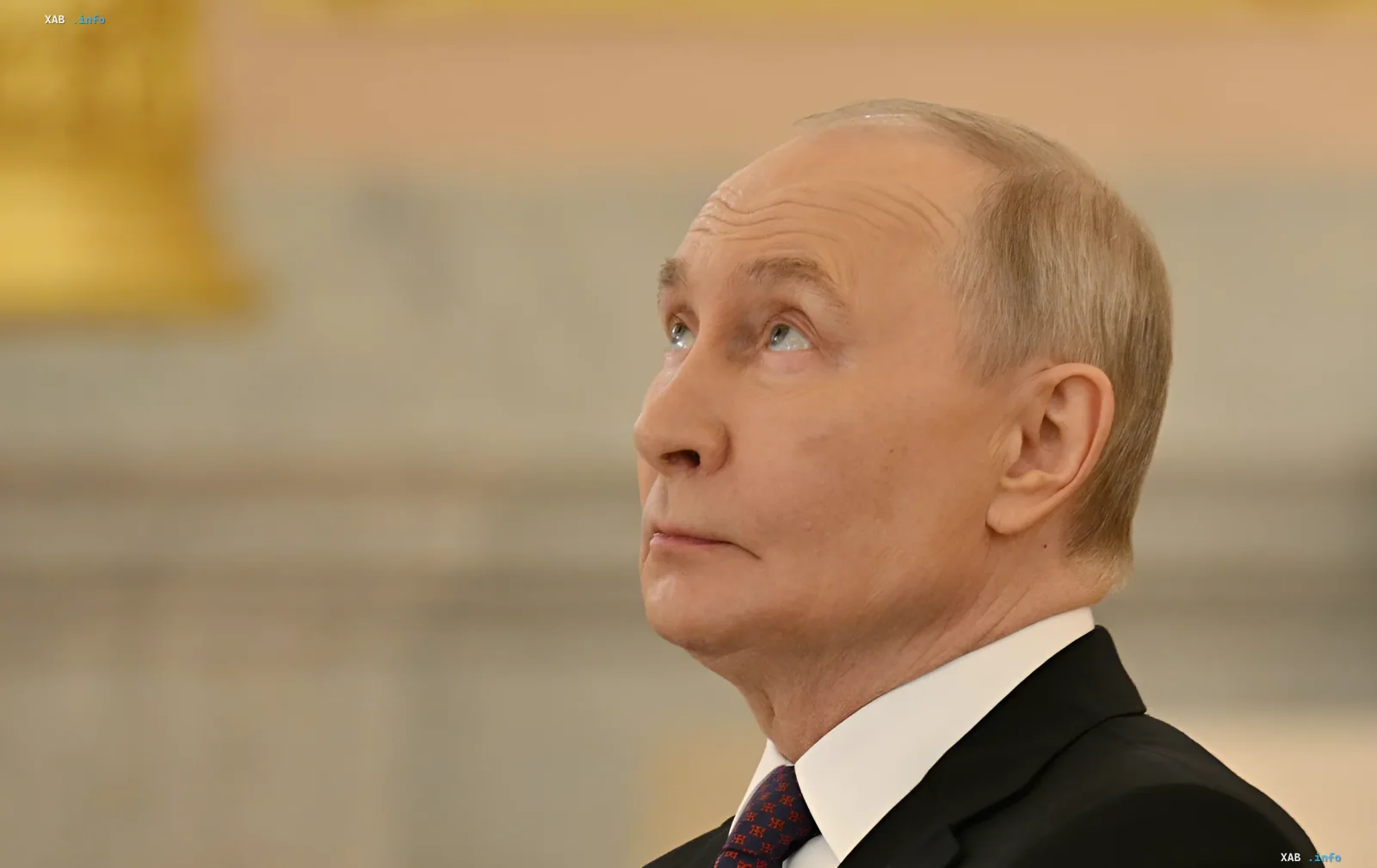
The Kremlin has temporarily disabled part of a special video surveillance system designed to protect Russian President Vladimir Putin and his inner circle. The decision was made after Israeli intelligence, using modern artificial intelligence technologies, was able to pinpoint the location of Iran's Supreme Leader Ali Khamenei and organize a successful operation against him.
How AI Helped Intelligence Locate the Target
According to sources cited by the Financial Times, Israeli intelligence agencies utilized a massive database of footage from Tehran's traffic cameras to analyze the movements of Khamenei and his associates. Modern AI algorithms enabled them to identify behavioral patterns, track routes, and quickly locate specific targets among thousands of cameras.
Experts note that today's video surveillance systems are no longer limited to simple facial or license plate recognition. They are capable of searching video clips based on text descriptions—for example, finding individuals who are handing over items, changing their appearance, or regularly appearing in specific locations.
Response from Russian Intelligence Agencies
Following the death of Khamenei, Russian intelligence agencies temporarily disabled part of the video surveillance system used to protect Putin. This system is separate from the nearly 300,000 cameras installed in Moscow for monitoring citizens.
According to one source, the system was only reactivated after a thorough inspection by engineers who attempted to completely isolate it from the internet. These measures were a reaction to the realization that surveillance networks, created for control and security, could turn into a source of valuable intelligence for the enemy.
Global Implications for Security
The operation in Iran demonstrated a new level of capability for modern surveillance systems. This has caused concern among intelligence agencies in many countries, including Russia. Russian authorities fear that similar technologies could be used to track the movements of high-ranking officials and gather critically important information.
Previously, the Financial Times reported that Israeli intelligence agencies had been receiving data from Tehran's traffic camera network for years. With the help of video surveillance, intercepted communications, and the analysis of large datasets, intelligence services were able to determine the location of Khamenei and his entourage on the day of the strike.
What's Next?
The events in Iran have shown that even the most protected video surveillance systems can become vulnerable in the face of modern technologies. In the future, we can expect enhanced protective measures from intelligence agencies in various countries, as well as the development of new methods to counter the use of AI for intelligence purposes.


