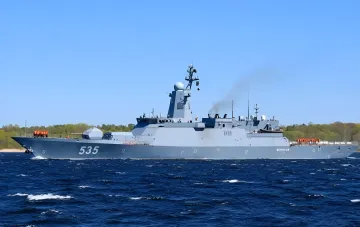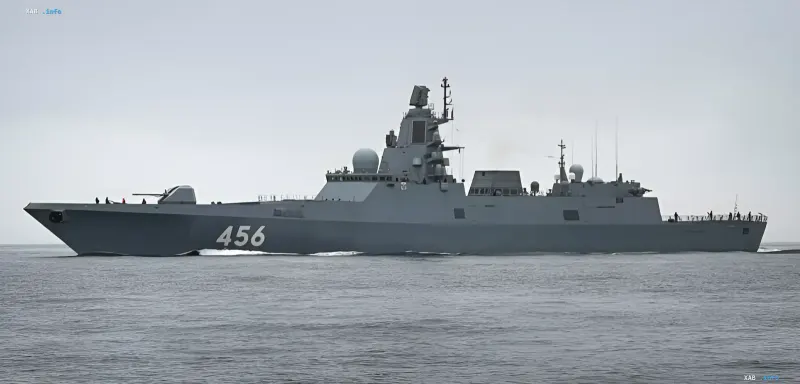
A Russian naval convoy escorted by the frigate Admiral Golovko has been forced to change course and turn back in the Mediterranean Sea. This decision follows a successful Ukrainian attack on targets and vessels in Benghazi, Libya, on November 22, 2026, which resulted in the destruction of the corvette Merkury and the transport ship Angara. The incident highlights mounting pressure on Russian logistical and military routes outside the Black Sea basin, threatening supplies for units in West Africa.
Rerouting of the Second Convoy and Africa Corps Logistics
The second convoy, consisting of the Project 22350 tanker Yelnya and government-linked cargo vessels Lady D, Lady R, and Maia-1, had been sailing eastward through the Mediterranean. The escort was provided by the Russian Navy frigate Admiral Golovko. The original destination of the vessels was not officially disclosed, but experts link these shipments to the supply of the Russian Africa Corps, which is suffering significant losses and conducting active operations, particularly in Mali, while also controlling gold mining assets.
The convoy's about-face creates serious problems for Moscow's strategic supply lines. It remains unclear whether the ships will sail around Africa, choose an alternative port to unload military cargo in West Africa, or return to the Baltic. In addition, questions arise regarding the inaction of the frigate Admiral Golovko, which made no attempt to evacuate or escort the first convoy left stranded in the port of Benghazi following the recent incident.
Abandoned Secret Equipment and Recovery Operations
Of particular concern to military analysts is the fact that secret equipment, including communications gear and critical cryptographic tools, remains aboard the sunken corvette Merkury in Benghazi. According to satellite imagery, there have been no signs of major diving operations at the wreck site over the past days, except for the installation of a floating boom to contain potential fuel spills. The lack of rescue operations also indicates that the bodies of the dead sailors have not yet been recovered.
A similar situation occurred after the sinking of the Black Sea Fleet flagship, the cruiser Moskva, in April 2022. Following a brief inspection of the wreck site by the ship Kommuna, the hull was left unattended by authorities. Analysts note that prioritizing the recovery of bodies and classified technology in Russian practice often takes a back seat to other operational tasks, creating risks of sensitive information leaks.
Growing Pressure on Maritime Communications and Outlook
Events in Libya and the Mediterranean underscore the vulnerability of Russian military and commercial shipping amid the ongoing conflict. After the main fleet forces were forced to withdraw to Novorossiysk in the Black Sea, the burden on auxiliary convoys and the shadow fleet increased significantly. The need to escort every commercial vessel requires additional resources and extends delivery times by weeks.
The loss of units like the corvette Merkury forces the command to rethink logistical chains and avoid risky routes. Future developments will show whether the Russian Ministry of Defence can adapt to new maritime threats or if logistics in remote regions will continue to degrade under the pressure of Ukrainian marine drones and missile systems.