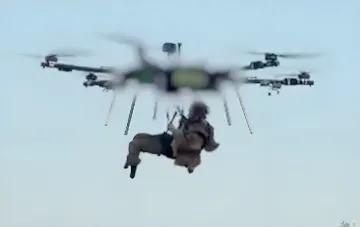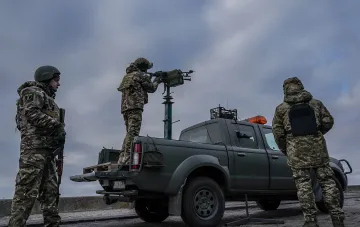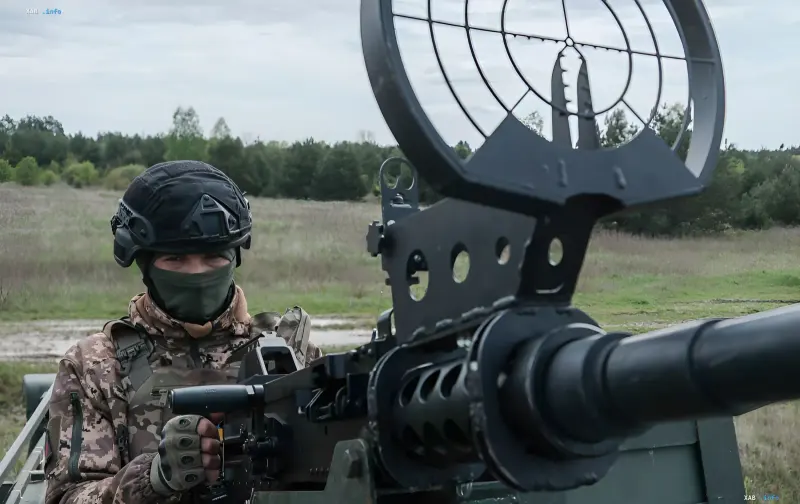
Last night, Russia launched a massive strike on Ukraine in which, according to the Defense Forces, Iskander-M ballistic missiles and, reportedly, North Korean KN-23 missiles were used, along with more than 160 drones of various types. The drones were launched from several directions — from the areas of Oryol, Millerovo, Kursk, the temporarily occupied part of Donetsk Oblast, and Crimea. According to preliminary data, by 08:30 Ukrainian air defense had destroyed or suppressed 128 enemy drones, while as of the morning the aerial attack was still ongoing and new UAVs were being detected in the sky.
Course of repelling the aerial attack
Various units of the Ukrainian Defense Forces were engaged in repelling the strike. As of the morning of September 5, 2026, the aerial attack had not been completed: Russian drones continued to be detected in the skies over the country's regions, and data on the strike's aftermath, in official wording, continued to be clarified. It is important to understand that some of Russia's means of destruction did not reach their targets, so the final picture of the damage at the time of publication is not yet definitive.
Ballistics and the question of KN-23
A key element of the night strike was the use of ballistic missiles. According to reports from several outlets, Iskander-M and North Korean KN-23 missiles were used in the attack. At the same time, the Air Force, in wording passed to the media, indicated that Russia may have used KN-23, meaning that the final identification of some of the missile launches remained subject to clarification at the time of publication. Separate sources reported the interception of several ballistic targets in a single night.
Contradictory data
The available sources contain discrepancies that must be reflected honestly. First, the status of the use of North Korean KN-23: some outlets name them directly among those used, while others (citing the Air Force) speak only of Russia "possibly" having used them. Second, the exact number of ballistic missiles deployed and intercepted is presented differently in various materials — some sources point to the interception of five ballistic targets, whereas drone-focused summaries emphasize 128 shot-down UAVs out of 160+. Third, data on the attack's aftermath is explicitly called preliminary and subject to clarification, and some means of destruction, according to official data, did not reach their targets. Until the Defense Forces publish a final summary, these figures should be treated as working, not final, numbers.
First recorded aftermath
By the morning, the first aftermath of the enemy attack had been recorded. Earlier reports spoke of the consequences of a Russian strike on Kamianske, in which four people were killed. The final list of affected regions and the scale of destruction continued to be clarified at the time of preparing this material, so the publication will be updated as confirmed data from the Ukrainian Defense Forces becomes available.