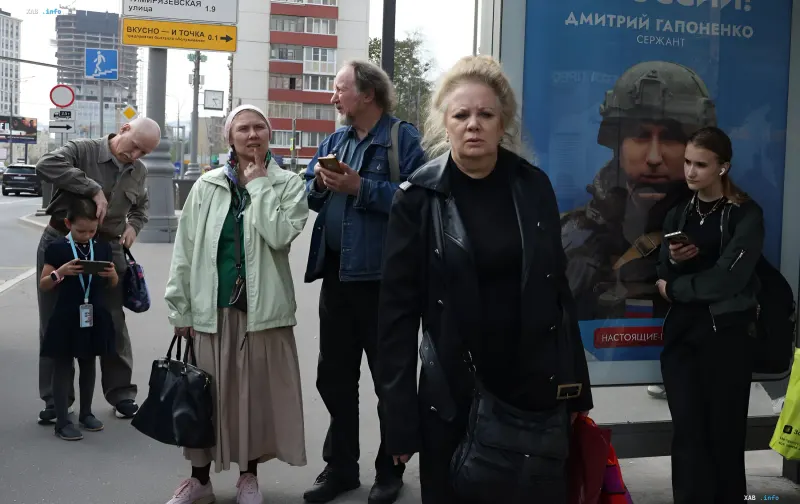
In August 2026, sociological data records an unprecedented level of anxiety in Russian society. According to the latest polls published in July, 66% of Russian citizens expect that the country faces exclusively "difficult times" in the coming months. This figure is the highest since the early 1990s, matching public sentiment during the death throes of the USSR and the onset of hyperinflation in 1992.
Historical minimum of trust in the future
The trend of public sentiment over the last year demonstrates a rapid decline. Since the beginning of 2026, the share of Russians expecting a deterioration of the situation has risen by 16 percentage points. For comparison, even during the economic collapse of the mid-90s, the level of pessimism fluctuated between 46% and 60%. The only period when anxiety was higher was the beginning of the COVID-19 pandemic in April 2020 (72%), although at that time concerns were linked to an epidemiological threat rather than a systemic crisis.
Experts link this sharp spike to the accumulated effect of a protracted war and a worsening economic conjuncture. Senior Researcher at the NEST Centre, John Lowe, notes that Russians, especially in large cities, are beginning to realize the lack of prospects for a swift end to the conflict. Regular strikes by long-range drones on oil refineries and warehouses from Moscow to the Urals are destroying the illusion of safety.
Fuel crisis and economic pressure
The economic consequences of the war have ceased to be abstract and have directly hit citizens' pockets. An acute fuel crisis has erupted in Moscow and the surrounding regions. Gas stations have begun to restrict gasoline sales, leading to the formation of kilometer-long queues. This confirms the thesis of political scientist Abbas Galliamov that the promises of safety and a peaceful life made upon taking office proved untenable. Today, no one feels safe — neither residents of the Moscow region nor vacationers at resorts.
Mass migration and fear of mobilization
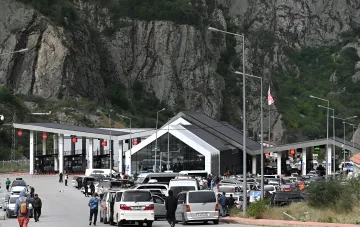
Against the backdrop of economic instability and fear of a new wave of conscription, a mass exodus of the population is being recorded. Thousands of Russians are trying to leave the country, choosing Georgia as the main destination. Statistics show that in just a few days, almost 40,000 people left the country through the "Verkhny Lars" pedestrian checkpoint. This indicates that for a significant part of the population, life under current conditions has become unbearable.
Contradictory data
There is a clear gap between official rhetoric and reality. On the one hand, the Russian leadership tries to downplay the damage from attacks on fuel infrastructure, publicly stating that the industry is not suffering critical losses. On the other hand, data from VTsIOM polls and independent sociologists, as well as actual queues at gas stations and mass migration, point to the opposite. Official statistics often smooth over sharp corners, while consumer sentiments and citizen behavior reflect the real depth of the crisis.