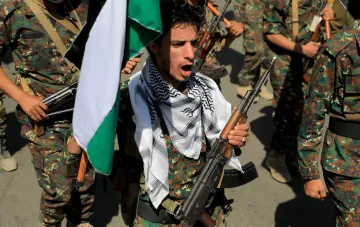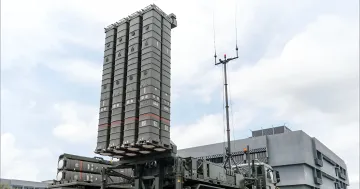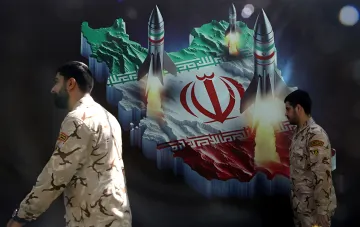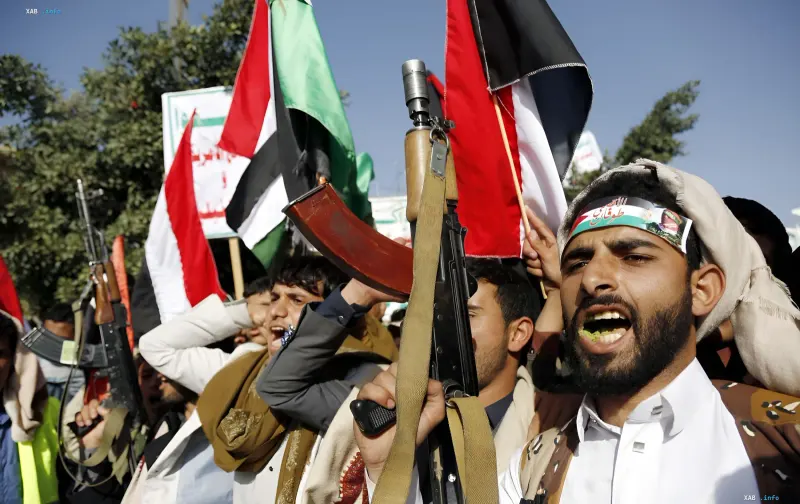
According to Associated Press, strikes by Houthis and Iran-backed Iraqi militants on Saudi Arabian facilities were coordinated using Russian reconnaissance satellites. As reported by RBC-Ukraine citing AP, a private geospatial intelligence company analyzed 40 missile and drone attacks on Saudi Arabia between July 1 and October 19 and recorded the exact same pattern in every case: Russian government and military satellites were positioned over the target areas a few days before and after the attack. “We found a 100% correlation between satellite activity and the strikes,” said Nawaf Obaid, founder of the Geneva-based company AURORAH Geosignal Intelligence.
Chronology of Strikes on Saudi Facilities
On the morning of September 10, multiple drone strikes launched from Iraq hit three critical pumping stations along the East-West pipeline, through which oil had previously been supplied to the market amid Iran's attacks on shipping in the Strait of Hormuz. A few days later — about a week later — several projectiles fired by the Houthis hit the King Fahd Air Base in Taif: alongside hangars, an Italian Air Force Eurofighter Typhoon fighter jet was damaged. Later, on October 10, the international airport in Riyadh came under a Houthi aerial attack, where, according to available data, 12 people were killed and another 309 were injured.
Satellite Monitoring Methodology
According to Obaid's firm, in both key cases — the strikes on the pumping stations and the air base in Taif — the number of Russian satellites orbiting over the targets increased by 50% in the 72-hour window before and after the strikes compared to July levels. The same satellite pattern, according to the researcher, was also observed in connection with Iranian strikes on US bases in the Middle East. Thus, the firm records a consistent correlation between increased Russian satellite activity over specific areas and subsequent precision strikes.
The Role of Iranian Advisers and Chinese Capabilities
Three officials told Associated Press that the Houthis and other Iranian allies benefited not only from Russian intelligence but also from Chinese capabilities. According to AP, Iranian advisers on the ground analyzed intelligence data and passed it to their allies, enabling high-precision strikes on pre-targeted sites. This scheme essentially turns satellite intelligence into a targeting tool for proxy forces operating on Saudi territory.
Context of Russia-Iran Military Cooperation
Russia and Iran have a long-standing military cooperation agreement, which includes the transfer of drone technology. US and European officials stated that Russia has been sharing intelligence with Iran. In this context, the AP-documented link between Russian satellite intelligence and Iranian proxy strikes on Saudi facilities is viewed as a practical implementation of such an exchange in the theater of operations.
Reaction and Future Plans of Riyadh
Saudi Arabia has reportedly decided to halt the advance of Houthi militants, whose success cut off key choke points in the Red Sea. Plans to counter the Iranian proxies jointly with Yemen are being reported. Thus, the incidents of September and October 2026 fit into a broader conflict surrounding the shipping routes and infrastructure of the kingdom, which, according to Western sources, involves the intelligence resources of multiple powers.