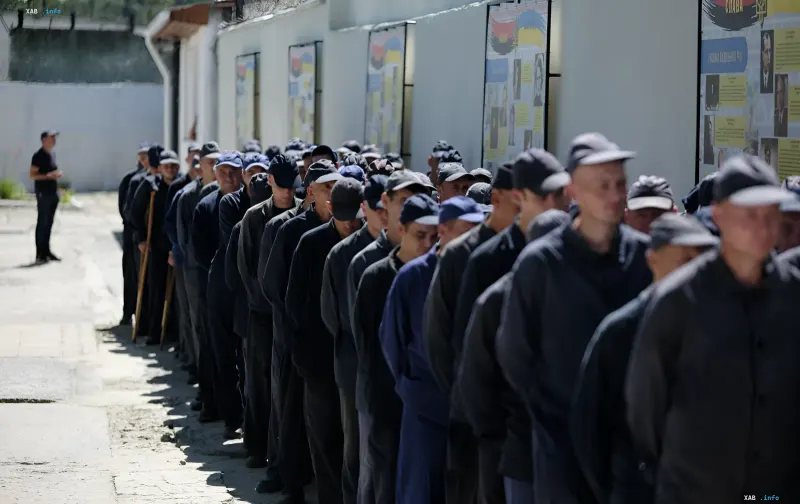
A worrying trend for the Russian army has been recorded in Ukrainian captivity: Russian servicemen who have returned to the front line after an exchange are increasingly voluntarily surrendering to captivity again. According to the Coordination Headquarters for the Treatment of Prisoners of War, there are currently 20 such soldiers on the list of detainees who have chosen captivity for the second time.
Humane treatment as a deciding factor
Representatives of the headquarters note that this trend is directly linked to Russian soldiers' awareness of the actual conditions of detention in Ukraine. Those who have already been through captivity have personally confirmed that the Ukrainian side complies with the norms of international humanitarian law and the requirements of the Geneva Conventions. Humane treatment and decent living conditions become the decisive factor when choosing between combat and captivity.
Information work and assistance projects
Projects such as "I Want to Live" and "I Want to Find" play an important role in this process. They inform Russian soldiers and their relatives about the rights of prisoners of war, the conditions of captivity, and the opportunities to save their lives. Thanks to this work, more and more soldiers, upon returning to the front, consciously choose to surrender to captivity again instead of participating in hostilities.
Contrast in approaches: Ukraine versus Russia
The Coordination Headquarters emphasizes the fundamental difference in the approaches of the two countries towards their servicemen. Ukrainian defenders who have returned from captivity have the legal right to resign from military service at their own discretion. At the same time, the Russian command sends its soldiers back to the front line after an exchange, without offering them any alternative.
Strategic importance of every prisoner
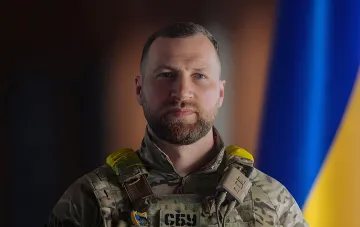
Andrey Yusov, Deputy Chairman of the Coordination Headquarters, emphasized the strategic importance of every new Russian prisoner of war: "It is important for us that as many Russians as possible surrender to captivity. Every such prisoner of war replenishes the exchange fund and increases our ability to bring Ukrainian defenders home from Russian captivity".
Situation with civilian hostages
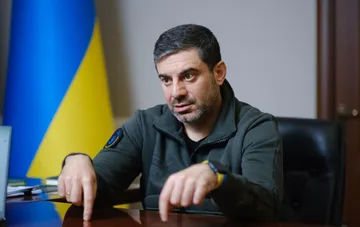
Recall that earlier, the Ombudsman of the Verkhovna Rada for Human Rights, Dmytro Lubinets, reported on nearly 1,900 confirmed Ukrainian civilian hostages held in Russia. The process of their return remains extremely difficult — occupiers often hide the places of detention, do not recognize the fact of their captivity, and frequently pass off civilians as prisoners of war, which complicates negotiation processes.