
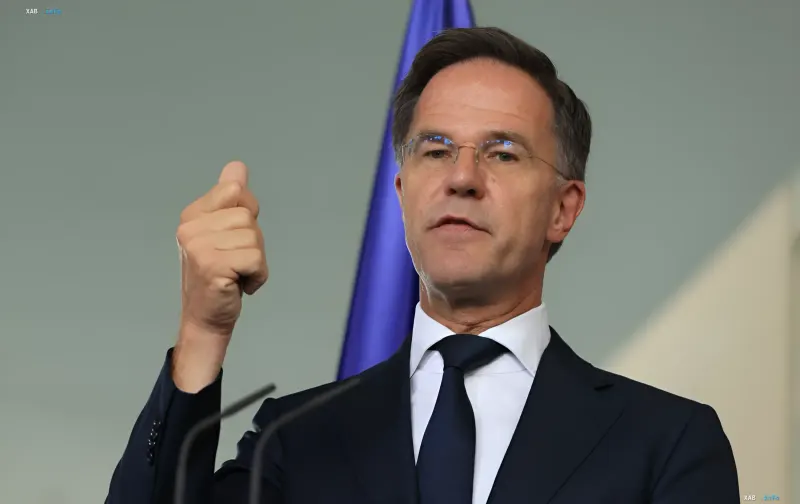
NATO Secretary General Mark Rutte made a stern statement addressed directly to the Kremlin leadership. According to him, the upcoming Alliance summit in Ankara will be a turning point that will force Vladimir Putin to realize the real strength of the Western bloc. Rutte emphasized: Moscow fears not promises, but their actual fulfillment.
From words to deeds: why Ankara will be decisive
Speaking at the Atlantic Council, Rutte reminded that in 2025, NATO countries agreed to allocate 5% of GDP to defense. This is not just a figure — it is a concrete action plan that has already begun to be implemented. Last year, defense spending exceeded forecasts by 20%, which became a signal for Moscow: the Alliance is ready for action, not rhetoric.
"The main thing is that Moscow realizes: 'Hey, we can fight you already today, and we care about being able to resist if you take some senseless step against us'," — Rutte stated.
Putin fears the fulfillment of commitments
In the Secretary General's opinion, the summit in The Hague was successful precisely because the bloc members took on specific commitments. But now the most important thing is to fulfill them. "Vladimir, we will defend ourselves," Rutte addressed the Russian leader, using his first name, which became an unusual gesture for diplomatic speech.
Rutte also noted that Putin has no chance of victory in the event of a direct conflict with NATO. The Alliance is ready to contain Russia even without US participation, and bloc members are already discussing allocating a colossal sum to Ukraine for this purpose.
Anecdotes and reactions: Meloni against the tone
Rutte's statements provoked an ambiguous reaction. Italian Prime Minister Giorgia Meloni expressed dissatisfaction with how some phrases were formulated, especially addressing Putin by name. However, most allies supported the Secretary General's tough stance, considering it necessary to demonstrate unity and determination.
The summit in Ankara will be a stress test: will NATO countries be able not only to promise, but also to act. And it is exactly this, according to Rutte, that scares the Kremlin the most.


