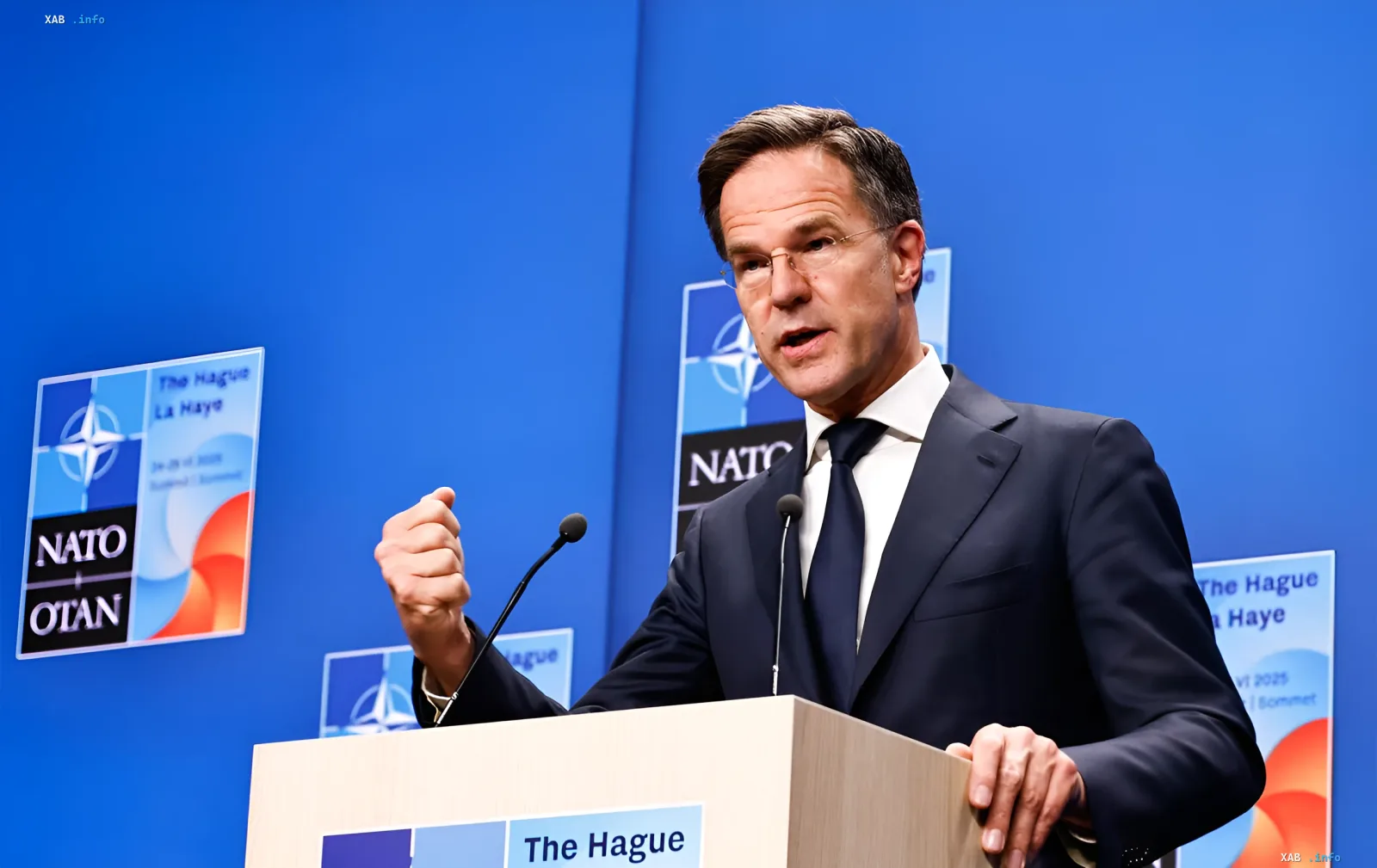
In the run-up to the key annual NATO summit, which will take place in July in Ankara, the Alliance's Secretary General Mark Rutte is embarking on a diplomatic mission to Washington. The visit, scheduled for next week, aims to smooth out the sharp edges in transatlantic relations, which have intensified against the backdrop of disagreements between the US and its European partners.
Crisis of trust: from Iran to the threat of leaving NATO
Tensions between Washington and Brussels reached a peak following an incident related to military actions in Iran. US President Donald Trump accused European countries of unwillingness to join the war, specifically refusing to provide their military bases for strikes on Iranian targets.
This refusal provoked a strong negative reaction from the White House. Trump has repeatedly stated the possibility of the US leaving NATO, which became a serious alarm signal for allies. It is precisely to prevent a rift and calm the American leader that Rutte is personally flying to the US from June 23–25.
Strait of Hormuz and restoring dialogue
The central item on the agenda of the visit will be the discussion of restoring freedom of navigation through the Strait of Hormuz. According to Mark Rutte, the agreements reached between the US and Iran on the cessation of hostilities open up new opportunities for diplomacy.
"Restoring free passage through the Strait of Hormuz would be a huge step forward," the Secretary General stated at the NATO headquarters in Brussels. He also emphasized that many allies, particularly France and the UK, are ready to support these efforts.
Ankara summit: from confrontation to cohesion
NATO officials express hope that Rutte's visit and the peace agreement with Tehran will allow the July summit to be held in a more constructive key. Officials note that Trump is now in a more advantageous political position, which reduces the risk of open confrontation with European leaders.
"Now that an agreement has been reached, it puts us in a more advantageous position," a NATO source shared. Donald Trump is expected to personally attend the summit on July 7–8 in Ankara.
During the meeting, allies must discuss critically important security issues, including further increasing defense spending and significantly expanding weapons production. In addition, on the eve of the summit, a meeting of defense ministers will take place in Brussels, where the presence of US Defense Minister Pete Hegseth is expected.
Ukrainian context
Against the backdrop of preparations for the summit in Brussels, an important meeting also took place between NATO Secretary General Mark Rutte and Ukrainian President Volodymyr Zelenskyy. The parties discussed issues of strengthening the Ukrainian air defense system and other aspects of support for Ukraine, which will also become part of the Alliance's broad security agenda.


