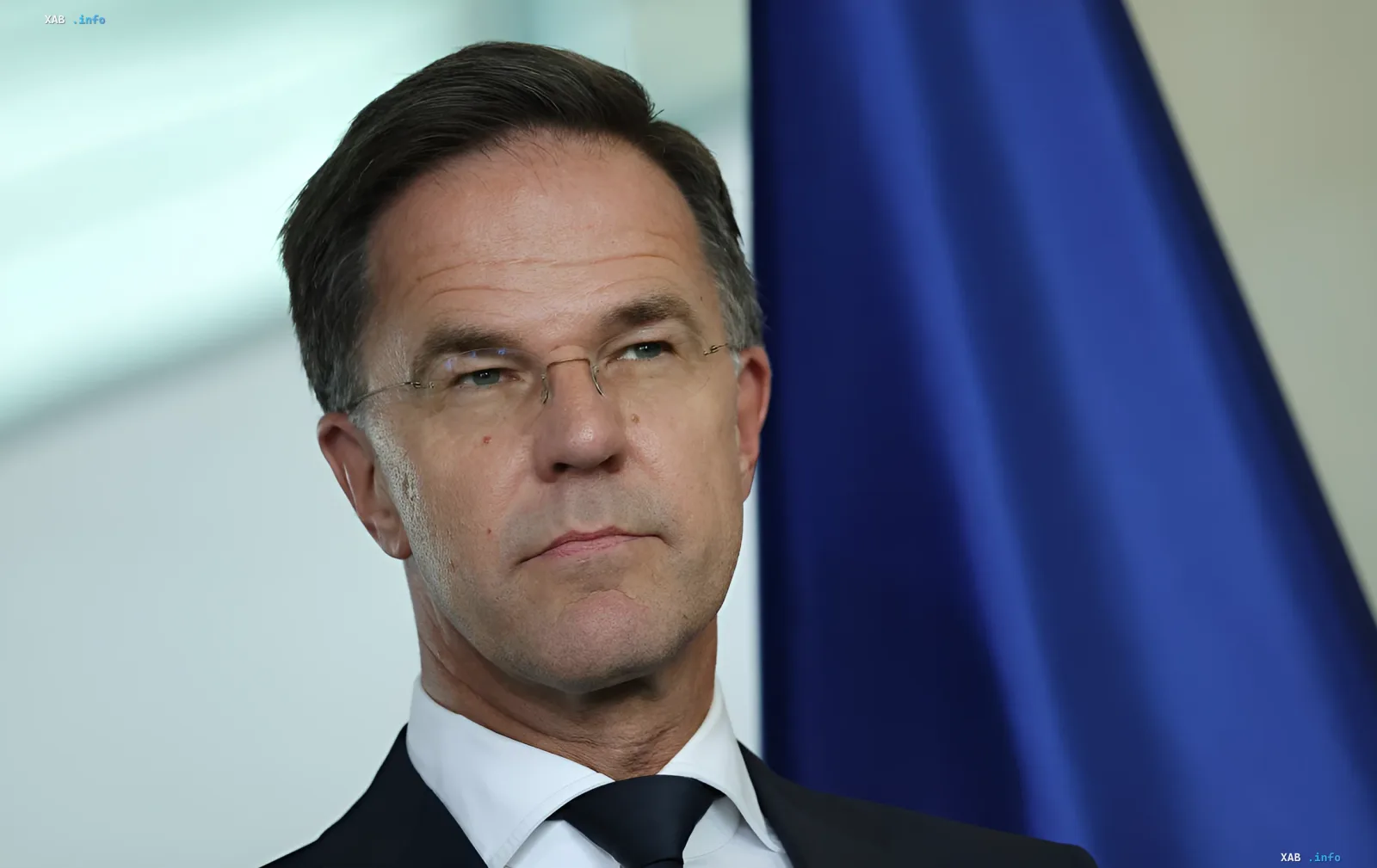
NATO Secretary General Mark Rutte, during a recent press conference, confirmed that the Alliance is closely monitoring Beijing's activities in the context of military aid to Russia. The Alliance's focus is not only on the supply of weapons but also on the training of Russian military personnel on Chinese territory.
"We are not naive": NATO's position
The question of China's involvement in training Russian soldiers was raised by journalists with Rutte after EU High Representative for Foreign Affairs Kaja Kallas presented relevant data. The NATO chief responded cautiously but firmly, emphasizing that the organization does not intend to ignore potential threats.
"We are not naive. We are closely monitoring everything. I cannot tell you more at this time, at least at this open press conference, but you can be sure that we are watching every step (of China)," Rutte stated. His words indicate that NATO already has data that, however, is not subject to immediate disclosure to the public.
Intelligence data and denials
Information about covert cooperation in the military sphere has surfaced repeatedly. At the end of last year, the Reuters agency reported that China had secretly trained about 200 Russian military personnel on its territory. According to sources, some of them subsequently returned to Russia to participate in hostilities against Ukraine.
The German publication Welt clarified details, claiming that among those trained could be operators of unmanned aerial vehicles from the elite "Rubikon" unit. Later, the European Union confirmed this data, stating that it concerns hundreds of soldiers who underwent training in the PRC.
Reaction from Beijing and Moscow
The parties accused of concealing military training categorically deny these facts. Beijing called reports of training Russian soldiers an attempt to shift responsibility for the war in Ukraine to other states. Chinese authorities insist on their neutral position and the absence of secret military programs with the Russian Federation.
A similar position was taken by the official spokesperson for the Kremlin, Dmitry Peskov. Commenting on media reports, he stated that such claims do not correspond to reality and urged them to be treated critically. Despite official denials, Western intelligence services and diplomats continue to consider this topic one of the key issues in the current geopolitical agenda.


