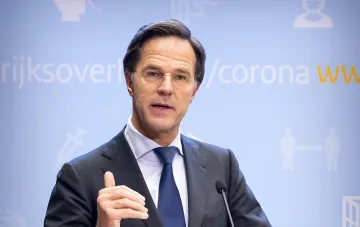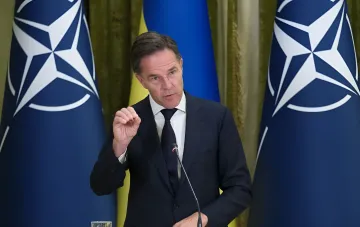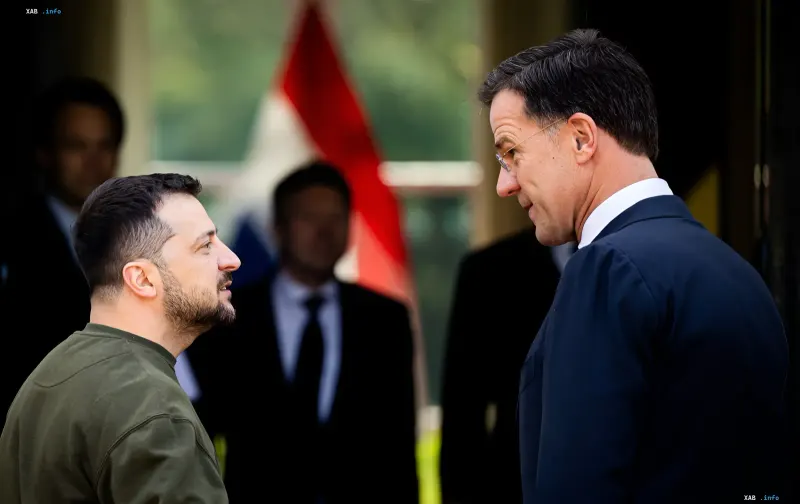
NATO Secretary General Mark Rutte, during a recent appearance on a talk show, shared an informal but telling "plan" for the end of the Russian-Ukrainian war. According to him, he and Ukrainian President Volodymyr Zelensky have already agreed on how they will celebrate the end of the conflict. The statement was made in a relaxed atmosphere, but once again highlighted the close nature of contacts between Kyiv and the alliance, which, according to Rutte, are maintained on a weekly basis.
"We'll get properly drunk": Rutte and Zelensky's Swiss plan
The conversation about joint plans for "afterwards" began with a reference to a documentary about former NATO Secretary General Jens Stoltenberg. It was in that film, as the host reminded viewers, that it became known Stoltenberg and Zelensky planned to go fishing together "when this is all over." Against this backdrop, the journalist inquired whether the current Secretary General had any similar arrangements with the Ukrainian leader. "Yes, we'll get drunk in the Swiss Alps. We'll sit on a Swiss mountain and get properly drunk. That's our plan," Rutte replied. To a clarifying question about whether they had truly agreed on this, the NATO chief answered in the affirmative.
Weekly contacts and "immense admiration" for Zelensky
In the same broadcast, Rutte expressed "immense admiration" for Volodymyr Zelensky and admitted that they speak every week. Such public formulations, going beyond standard diplomatic language, are in themselves a signal about the nature of relations between the alliance leadership and the Ukrainian side. The informal tone of the statement about the Swiss mountains fits into this same logic: it conveys a closeness of positions and personal trust, rather than just institutional support.
Context: The question of the winner and a warning about hybrid attacks
The remark about the celebration came against the backdrop of other recent statements by Rutte. Previously, the NATO chief answered questions about whether there will be a winner in Russia's war against Ukraine and how it will all end, and also warned European capitals about a new wave of hybrid attacks from Moscow. Taken together, these signals paint a picture in which the alliance simultaneously emphasizes unity with Kyiv and prepares European public opinion for continued pressure in non-military formats.
What this says about the tone of relations
The "plan" to get drunk in the Alps is not a political commitment in itself and does not change either side's position on a settlement. However, in public diplomacy, such jokes are not accidental: they establish for outside observers that in the event of the conflict's end, key figures of the alliance and Ukraine view this event as a shared, rather than unilateral, outcome. That is why even informal statements by Rutte and Zelensky remain the focus of analysts and the media.