
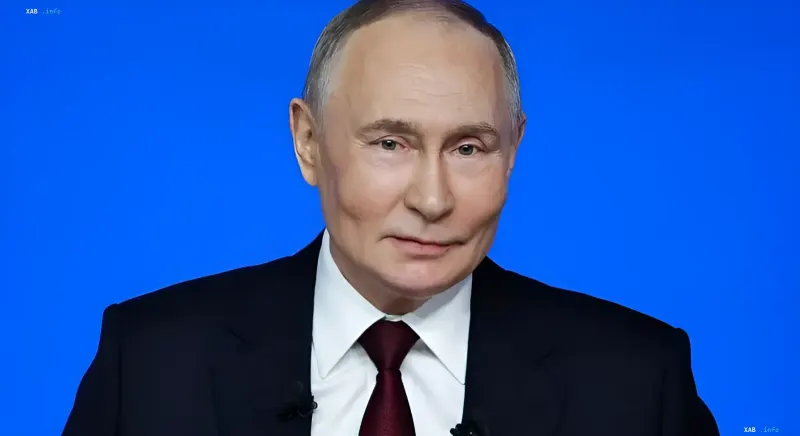
NATO Secretary General Mark Rutte has shifted the Alliance's rhetoric from diplomatic declarations to the language of hard power. On the eve of the key summit in Turkey, which will take place on July 7–8, 2026, an unprecedentedly harsh warning was issued in Washington to the Kremlin. Speaking after a meeting with US President Donald Trump, Rutte outlined a new strategy: moving from words to the physical buildup of combat potential.
Direct message to Moscow: deterrence through force
Rutte focused on the psychology of the Russian leadership. The Secretary General of the Alliance is convinced that Vladimir Putin is not stopped by signatures on paper or political promises. The only factor of deterrence remains the actual presence of weapons and the readiness to use them. In his speech, Rutte did not resort to euphemisms, addressing the message directly to the leader of Russia:
«Ultimately, Putin is not afraid of commitments, he is afraid of their fulfillment. And that is exactly what we are doing. Vladimir, we will defend ourselves. The most important thing is that Moscow receives the message: "Hey, we can fight you today, and we will make sure that if you make any stupid move against us, we are ready to give a rebuttal"».
This rhetoric highlights a paradigm shift: NATO no longer intends to simply declare solidarity, but is ready to demonstrate the ability for an immediate military response.
The concept of «NATO 3.0»: from politics to industry
The summit in Ankara will be a turning point for the Alliance. According to Rutte, the bloc is launching a transformation that he called «NATO 3.0». The essence of the changes lies in the transition from a political-defense alliance to an industrially mobilized military bloc. The main tasks of the upcoming meeting:
- Decades of billions for contracts: In Ankara, it will be announced that defense contracts for colossal sums will be concluded. The goal is to overcome the fragmentation of the European defense industry and move to mass serial production of weapons necessary for long-term confrontation with Russia.
- New spending standard: Allies are moving towards an ambitious goal — to spend 5% of GDP on defense by 2035. Already in 2025, European countries and Canada increased spending by almost 20%. This growth became a weighty argument in negotiations with Donald Trump, proving that Europe is taking responsibility for its own security.
- Industrial revolution: The focus is shifting from «planning» to «production». Allies intend to sharply increase the production of ammunition, air defense systems, and deep-water strike means. Rutte called this the beginning of a «defense-industrial revolution», which, according to him, will create hundreds of thousands of jobs.
Ukrainian vector and geopolitical balance
Despite the fact that a separate meeting of the Ukraine-NATO Council is not planned on the agenda, support for Kyiv remains a central topic of the summit. President Volodymyr Zelenskyy will personally head the delegation. Rutte assured that the security of Ukraine and NATO are inextricably linked («interlinked»), and the Alliance will confirm long-term commitments to weapons supplies. The demonstration of «industrial muscle» is intended to show Moscow the unpromising nature of a war of attrition.
Rutte's visit to Washington also had strategic significance for smoothing out corners in relations with the Trump administration. The Secretary General presented infographics in the White House proving that Europe is no longer a «freeloader» in security issues, but is really investing huge funds in the American and European defense industry, relieving some of the burden on the US. Thus, the «defense-industrial revolution» is intended to strengthen the unity of the Alliance in the face of growing threats.


