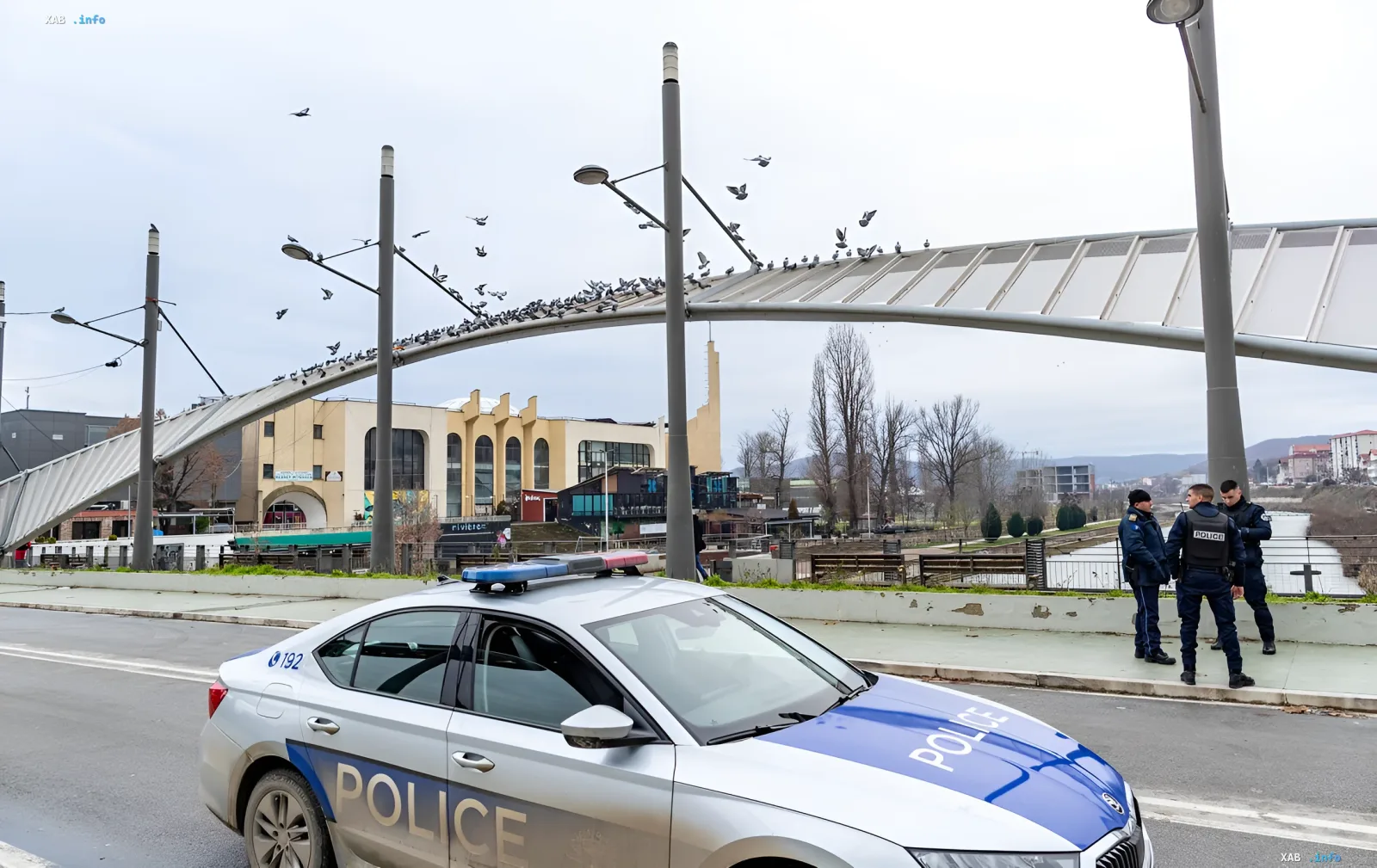
At the border between Serbia and Hungary, intelligence services thwarted an attempt to prepare a sabotage act in Germany. The suspects — two men acting on behalf of Russian intelligence — were detained while crossing the border. During a search of their luggage, an explosive device was discovered.
Target of the attack — a defense facility in Germany
According to the investigation, the agents planned to attack a facility playing a key role in supporting Ukraine in its resistance to Russian aggression. Information about the impending terrorist act was previously disclosed by German Interior Minister Alexander Dobrindt during the presentation of the annual report of the Federal Office for the Protection of the Constitution.
«We managed to prevent the attack by targeting individuals preparing a terrorist act», — he stated.
Context: rise in sabotage activity in Europe
The incident at the Serbian-Hungarian border is not isolated. In recent months, Europe has seen an increase in the number of incidents related to sabotage and terrorism linked to Russian intelligence services or their supporters.
- In the Czech Republic, a fire occurred at a defense plant in Pardubice. Responsibility for the arson was claimed by a group protesting against arms supplies to Israel.
- The Security Service of Ukraine exposed a 16-year-old from Kharkiv, recruited by Russia to find perpetrators of terrorist acts in Ukraine. While in the European Union, the teenager was looking for «candidates» and passing them on to direct contacts with Russian intelligence services.
International resonance
The detention of Russian agents at the Serbia-Hungary border has sparked widespread resonance in European countries. Experts note that this indicates the continued activity of Russian intelligence on EU territory, despite the strengthening of counter-intelligence measures.
The investigation is ongoing. Details of the operation and the motives of the suspects are not yet fully disclosed. However, it is already clear: the threat of sabotage in Europe remains real, and combating it requires coordinated action by all NATO and EU member states.


