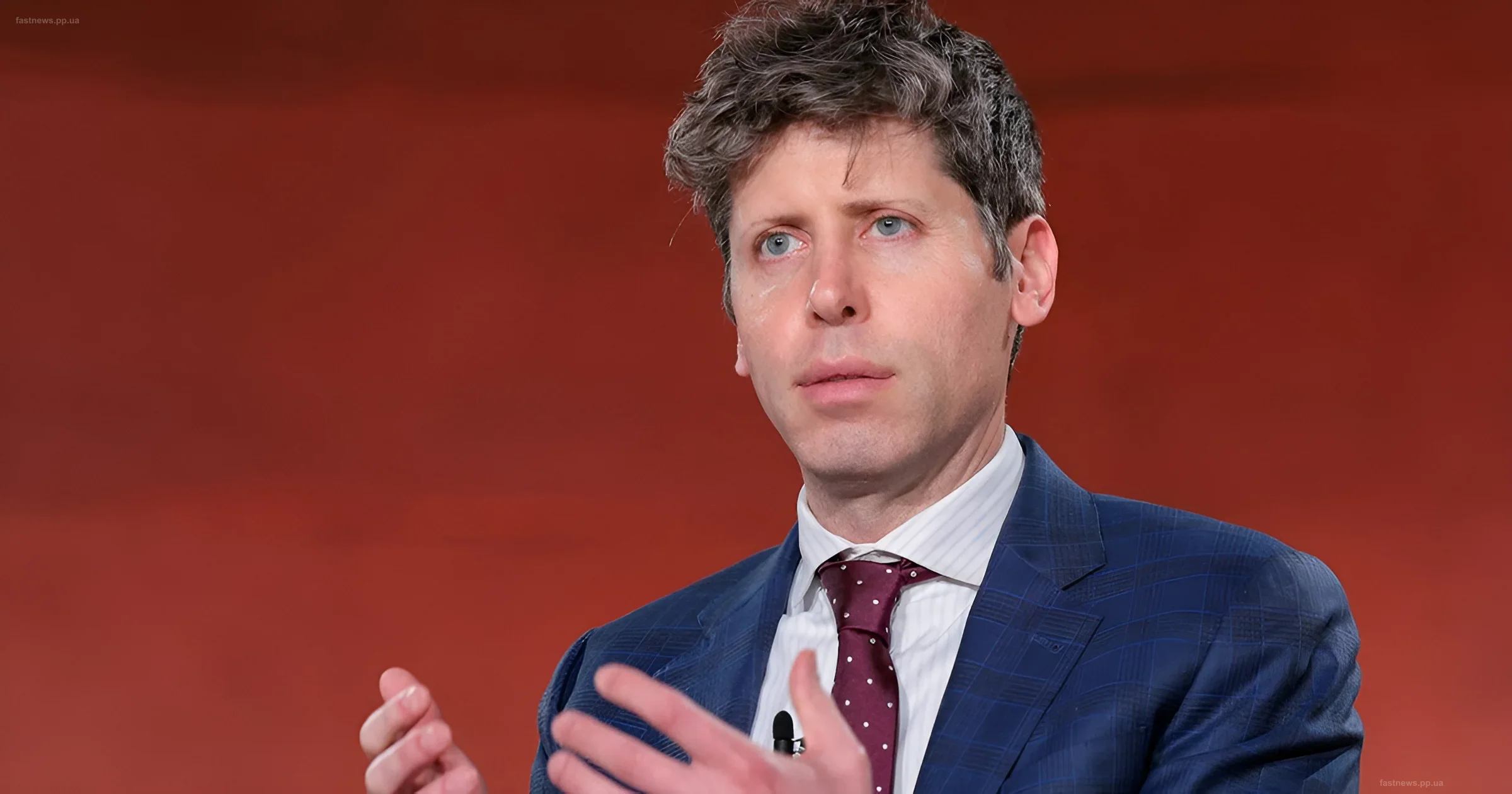
OpenAI CEO Sam Altman, who once warned of an imminent labor market collapse, has publicly admitted that his grim predictions did not come true. At the Commonwealth Bank of Australia conference in Sydney, he stated that he is glad to have been wrong about the scale of AI's impact on employment.
The Intuition Error: Why the Apocalypse is Delayed
In a conversation with bank CEO Matt Comyn, Altman noted that while the technological trajectory of AI development following the release of ChatGPT was correct, the socio-economic consequences turned out to be milder than expected. He had anticipated a mass elimination of entry-level office positions, but this has not happened.
"I am glad I was wrong about this. I thought that by now, far more entry-level positions for office workers would have been eliminated than actually occurred," admitted the OpenAI founder.
According to Altman, the key factor was the underestimation of the human element in work. People value live interaction and communication, which AI is not yet capable of fully replacing. As an example, he cited his own experience: initially, he trusted AI to answer emails and Slack messages with a note saying "this is Sam's AI," but later returned to personal communication.
From Apocalypse to Productivity Growth
Altman does not entirely retract his warnings—the risk still exists. However, his rhetoric has shifted from catastrophic to more measured. "I don't think we are facing the very apocalypse of jobs that some companies in our field are discussing," he concluded.
This change in tone is also noticeable among other industry leaders. Anthropic CEO Dario Amodei, who predicted last year that up to half of entry-level positions would disappear and unemployment would rise to 20%, now speaks more frequently about an explosive growth in productivity thanks to AI.
The Reality of the Labor Market: Between Hope and Anxiety
However, the background remains anxious. According to TrueUp tracker data, since the beginning of 2026, more than 144,000 employees of technology companies worldwide have lost their jobs. Among the largest layoffs were about 8,000 positions at Meta, some of which are directly related to the implementation of AI or the reallocation of resources for AI infrastructure.
A survey of nearly a thousand executives showed that 99% of them expect layoffs in their companies in the next two years due to AI. In other words, even if the apocalypse is delayed, the labor market is already changing—and not always to the benefit of workers.


