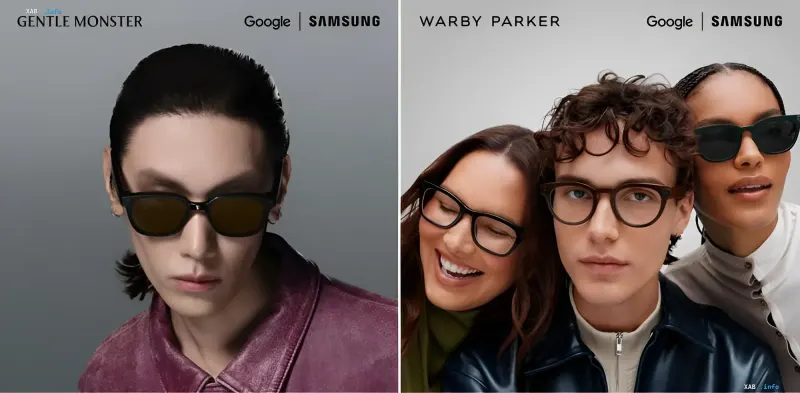
On November 13, 2026, Samsung officially introduced its first AI-powered smart glasses, developed in partnership with Google and two leading optical brands — Gentle Monster and Warby Parker. Official promotional materials highlight the collaboration: the Gentle Monster line brings bold design language, Warby Parker offers classic and everyday shapes, while the Google and Samsung logos emphasize the device’s technological core. Pre-orders are open, with mass market sales scheduled for December 10, 2026.
Lightweight Design and Thirty Style Options
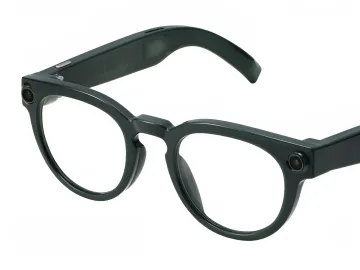
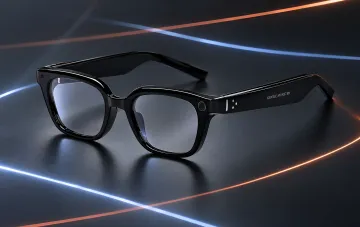
A key selling point of the new device is its compact nature: the glasses weigh just 41 grams, making them suitable for long, daily wear without feeling intrusive on the face. In total, 30 design variations will be offered, reflecting the strategy of the two optical partners — ranging from the daring models by Gentle Monster to the understated silhouettes of Warby Parker. The device price ranges from $395 to $489 depending on the execution and collection selected.
Camera and Gemini Capabilities
Functionality is powered by a 12-megapixel HDR sensor capable of recording 3K video at 30 frames per second. The built-in Google Gemini assistant analyzes the environment and answers questions about objects the user is looking at. Additionally, the device features real-time translation, Google Maps navigation, and a range of AI-assistant tools. The glasses are built on the Snapdragon AR1 Gen 1 platform, include 64GB of internal storage, and feature four microphones for precise voice capture.
Battery Life and Ecosystem
The device claims up to 9 hours of continuous battery life, extending to 72 hours with the included charging case, addressing the primary concern of wearable device users. Gemini is also capable of summarizing meetings and saving notes directly into Samsung Notes. Importantly, the device is not limited to the Samsung ecosystem: it will work not only with Galaxy smartphones but also with Google Pixel and Apple iPhone devices.
Strategic Rationale for the Launch
The entry of these smart glasses into the market allows Samsung and Google to strengthen their positions in the rapidly growing segment of wearable AI electronics. Collaborating with two strong optical brands lowers the entry barrier for an audience accustomed to high-quality eyewear rather than just "gadgets," turning wearable AI into an everyday accessory. Thus, December 10, 2026, may become the point at which AI glasses move from a niche experiment to a mass-market product.