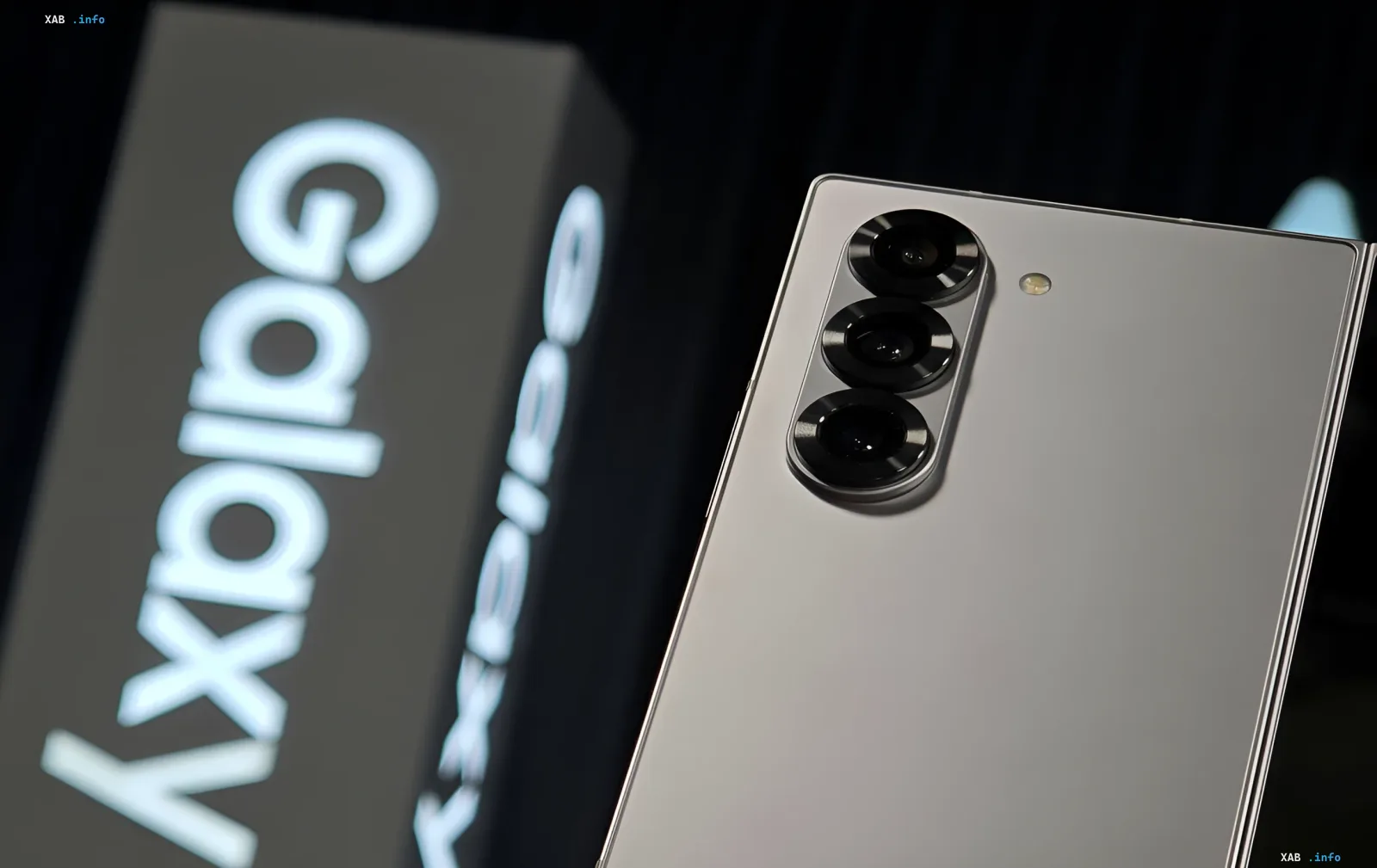
In the mobile device market, Samsung has introduced two key novelties: the flagship Galaxy S26 Ultra and the more affordable Galaxy A57. Although the company managed to optimize hardware costs in the junior model, a deep comparison of the software revealed several significant differences. It turns out that mid-range buyers are deprived of access to a number of intelligent tools that make using flagships truly comfortable.
Lost Sound: Why A57 Cannot Remove Noise
One of the first and most noticeable features missing in the Galaxy A57 is the Audio Eraser technology. This is a local intelligent noise cancellation system that works in real-time for any video content. AI algorithms are capable of recognizing audio tracks, separating background hum from the useful signal.In practice, this works as follows: while watching sports broadcasts, the system can completely mute the shouts of a stadium crowd, making the commentator's voice clear and distinct. The function also effectively filters out natural noises—wind gusts or the sound of ocean waves on recorded videos.
Most likely, the absence of this option in the Galaxy A57 is due to the lower computing power of its processor. Modern Samsung interfaces are designed around the capabilities of neural networks, and although users expect the appearance of a simplified version of the algorithm, for now, this feature remains a privilege of the senior model.
File Search: Global Engine vs. Standard Menu
Another significant difference is the Search with Finder function. In standard Android-based smartphones, the search bar in the app menu can only find installed applications. However, in One UI on the Galaxy S26 Ultra, this tool is transformed into a global search engine.The neural network scans the entire internal memory of the device, including:
- Documents and files stored in memory;
- Downloaded content from various applications.
For users who do not have a clear file cataloging system, such a tool completely eliminates the need for manual searching for documents in folders. The absence of an integrated Finder search in the Galaxy A57 forces owners to spend time checking downloads in different applications, which looks like a strange limitation for a modern operating system.
Automation and Personalization: What Beginners Lack
The gap in capabilities is also felt in the field of automating routine actions. The updated Bixby voice assistant on flagship devices has gained direct access to system settings. A user can complain about eye strain, and the AI will automatically adjust the brightness or activate the eye comfort shield mode.Such a function of automatic interface adjustment without wandering through settings menus is critically important precisely for Galaxy A57 buyers—less experienced users or elderly people who may not know the exact names of functions in the smartphone.
Also, the junior model lacks the interactive AI widget Now Brief. This screen module collects personalized information based on the user's daily habits. It analyzes the schedule in the calendar, fitness metrics, reminders, and the current weather forecast, providing a short structured summary.
For an audience that is not "advanced" users and wants to receive all important information at a glance at the screen, the appearance of Now Brief in future firmware updates would significantly increase the convenience of using Samsung's mid-range devices.


