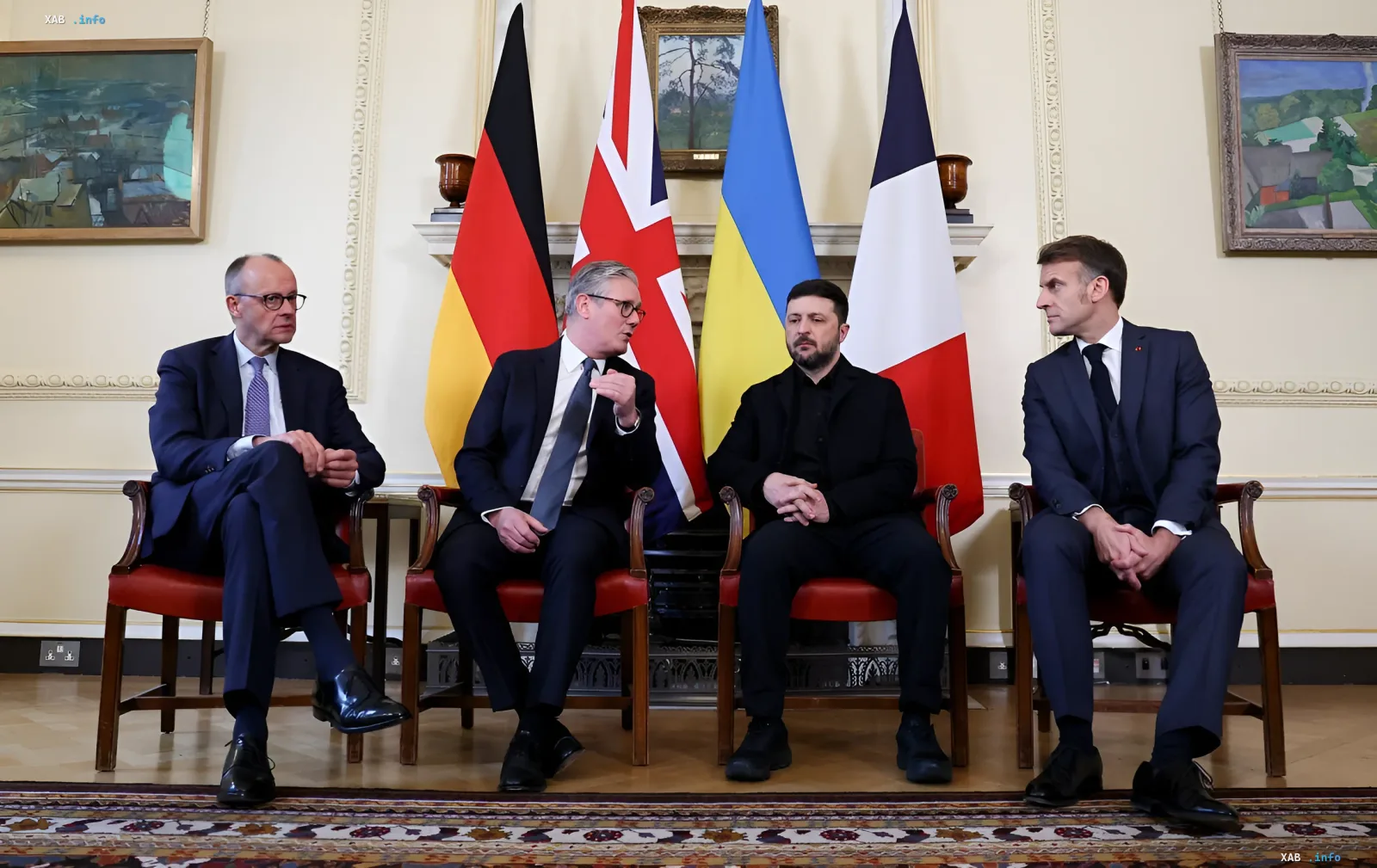
Leaders of the Group of Seven (G7) have reached an agreement to increase pressure on Russia. The main tool of this new course will be strict sanctions in the energy sector, aimed at limiting Moscow's access to resources and export revenues.
Energy and military aid to Ukraine
According to a diplomatic source, the agreement concerns, in particular, the introduction of new restrictions on Russian oil and gas. Parallel to economic pressure, G7 countries confirmed their course of supporting Ukraine. Air defense systems, as well as resources necessary to protect and consolidate results achieved on the battlefield, will be supplied as a priority.
Systemic approach of the European Union
The European Union has already approved a new package of sanctions covering a wide range of targets: from the military-industrial complex to the so-called "shadow fleet" and hybrid networks of the aggressor state. Vladislav Vlasuk, the Russian President's Plenipotentiary for Sanctions Policy, noted that Brussels' actions demonstrate a systemic approach to weakening Russia's war machine. According to him, restrictions are aimed not only at direct weapons manufacturers but also at related structures.
Also, as part of the annual review, the EU extended the validity of restrictions introduced in connection with the annexation of Crimea and Sevastopol. These measures will remain in force at least until June 23, 2027.
New sectors under attack
Brussels has prepared the 21st package of sanctions affecting key sectors of the Russian economy. The following are under attack:
- Energy;
- Financial services;
- Trade;
- Cryptocurrency sector;
- Fisheries.
Personal restrictions
Among the new measures is a ban on entry into EU countries for former Russian military personnel involved in the aggression against Ukraine. In addition, work continues on introducing personal sanctions against another approximately 80 Russian companies and individuals.


