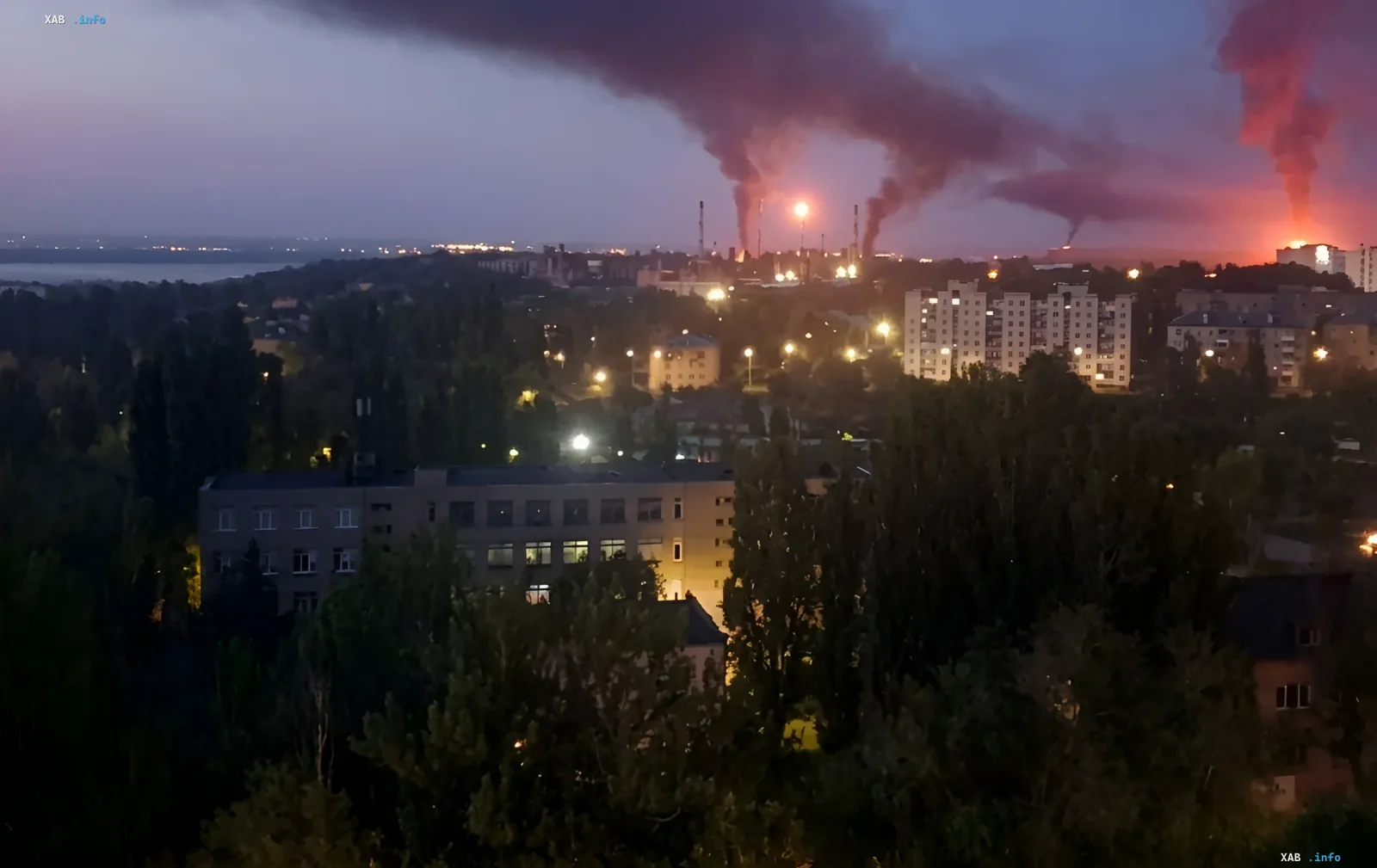
On the night of July 8, the Ukrainian Defense Forces struck the Saratov Oil Refinery. The attack proved effective: the facility was forced to suspend oil refining due to the damage sustained. Two sources familiar with the situation told Reuters about the production halt.
Target of the Strike and Scale of Damage
According to sources, drones hit the CDU-6, the first crude oil distillation unit. This unit has a capacity of 20,000 metric tons per day. Notably, it is the only unit of its kind at the plant, making its failure critical for the operation of the entire complex.
Consequences for the Market and Population
On Wednesday, the Governor of the Saratov region, Roman Busargin, confirmed the incident, reporting casualties and injuries. He characterized the damaged facility as a "public industrial object." Following the attack, fuel produced at the Saratov Refinery disappeared from the listings of the St. Petersburg International Mercantile Exchange.
Context of Attacks on Energy Infrastructure
Ukraine has intensified strikes on Russia's energy infrastructure with the aim of undermining the military capabilities of the aggressor state. Long-range drone and missile strikes have become a systematic response to aggression. The Saratov Refinery became one of the targets in a series of night strikes on July 8, when two other refineries, six tankers, the Borisoglebsk airfield, and road bridges were also hit.
This is not the first time the plant has been shut down. Previously, the facility suspended operations following drone attacks in March and May. On the night of May 31, the plant burned on a large scale. In 2024, the Saratov Refinery processed 5.8 million tons of oil — accounting for 2.2% of the total refining volume in Russia.
Parallel Incidents
This week, the largest refinery in the Russian Federation, the Omsk Oil Refinery, met a similar fate, also ceasing operations after an attack by Ukrainian UAVs. These events demonstrate the growing effectiveness of strikes against the adversary's critical infrastructure.


