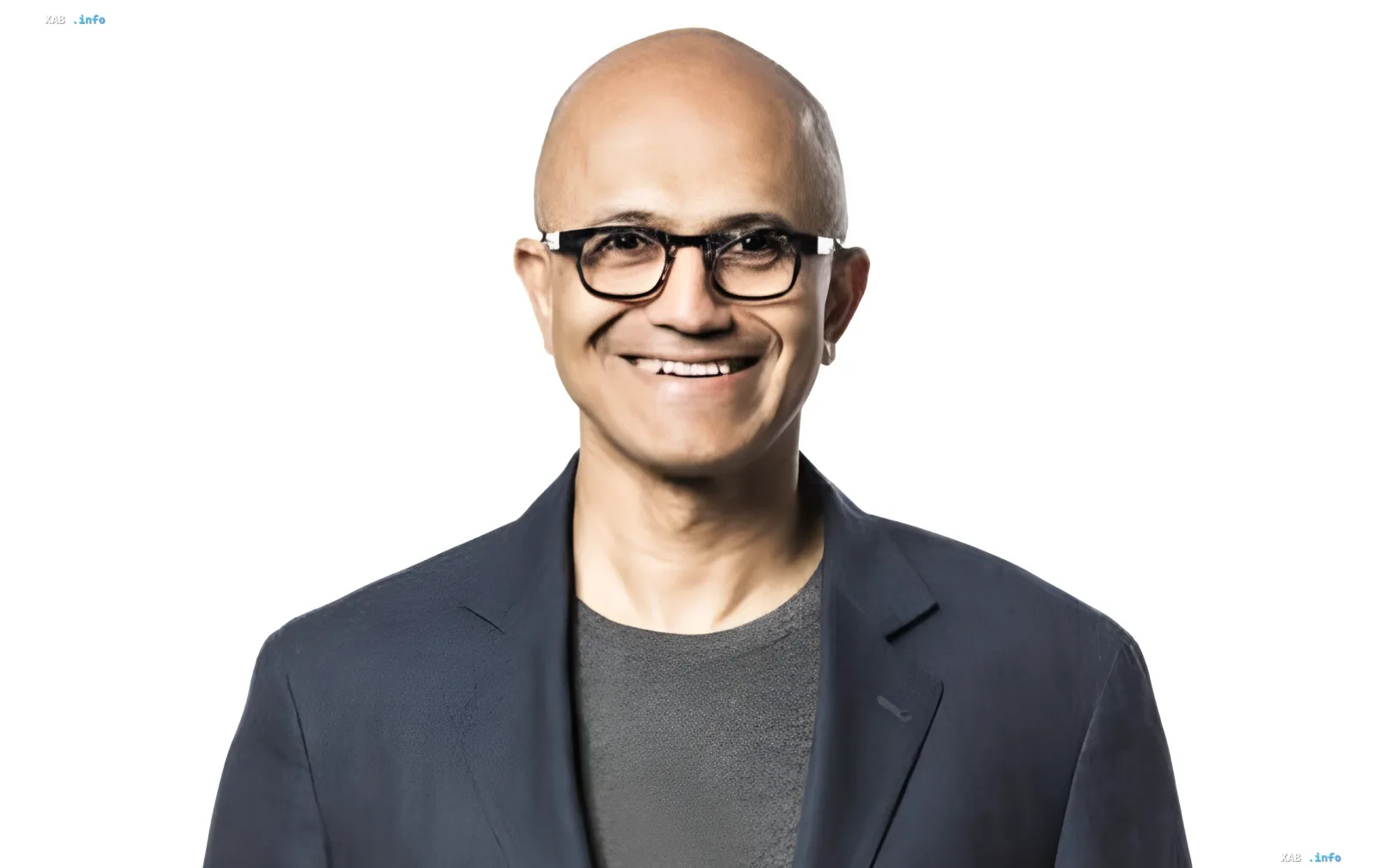
Microsoft CEO Satya Nadella published an article that has sparked widespread resonance in the corporate sector. In his blog, he raised an issue that many companies are ignoring: using closed commercial artificial intelligence models can lead to the leakage of valuable data and the formation of direct competitors from technology providers.
The danger of "digital exhaust"
According to Nadella, the main threat lies not in the mere use of neural networks, but in the process of their interaction with business. He introduced the concept of "digital exhaust." This includes prompts written by IT specialists, actions of autonomous agents, and, most critically, the corrections employees make when the model makes a mistake.
Each such correction is ready-made institutional know-how. Closed AI labs accumulate this data in their systems. Model developers thus gain a deep understanding of the unique nuances of another company's operations — knowledge that no competitor could ever buy on the open market.
The paradox of intellectual property
Nadella highlighted a fundamental conflict of interest. Authors of closed systems collect data from across the internet for free to train their algorithms, yet they impose strict restrictions on "distillation" — the practice of using their answers to train other models.
At the same time, companies creating AI reserve the exclusive right to learn from interactions with clients. This gives them the potential to become direct competitors to those who pay for their services. "By using intelligence, you create intelligence. And what you create should belong only to you," Microsoft's head summarizes.
Data protection strategy
As a solution, Nadella suggests that companies retain full ownership of their prompts and feedback. He recommends creating their own closed training environments in the cloud. Additionally, it is critically important to implement orchestration tools (gateways) that will allow easy switching between different technology providers without being tied to a single vendor.
Mass shift to open models
The warning from Microsoft's head confirms a massive trend that IT market analysts are already tracking. Large corporations, having experimented with closed commercial systems, are beginning to massively deploy free open-source models on their own servers within the company (on-premise).
According to security software developer Solo.io, such giants as T-Mobile, ADP, and SAP are increasingly preferring full control over "hardware" and data. Modern open source already performs up to 90% of the functions of major commercial models, yet costs significantly less.
Statistics of the shift
The shift is clearly demonstrated by statistics from major development platforms. Companies Vercel and OpenRouter have recorded a rapid surge in traffic towards open neural networks. In particular, last month, open models accounted for 29% of the total volume of data passing through Vercel's network gateways.
Given that even Microsoft — the main investor in OpenAI and Anthropic — is calling on businesses to be cautious, the corporate AI market is inevitably moving towards decentralization and strict protection of trade secrets.