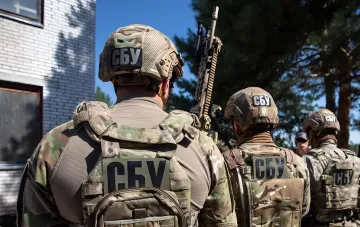

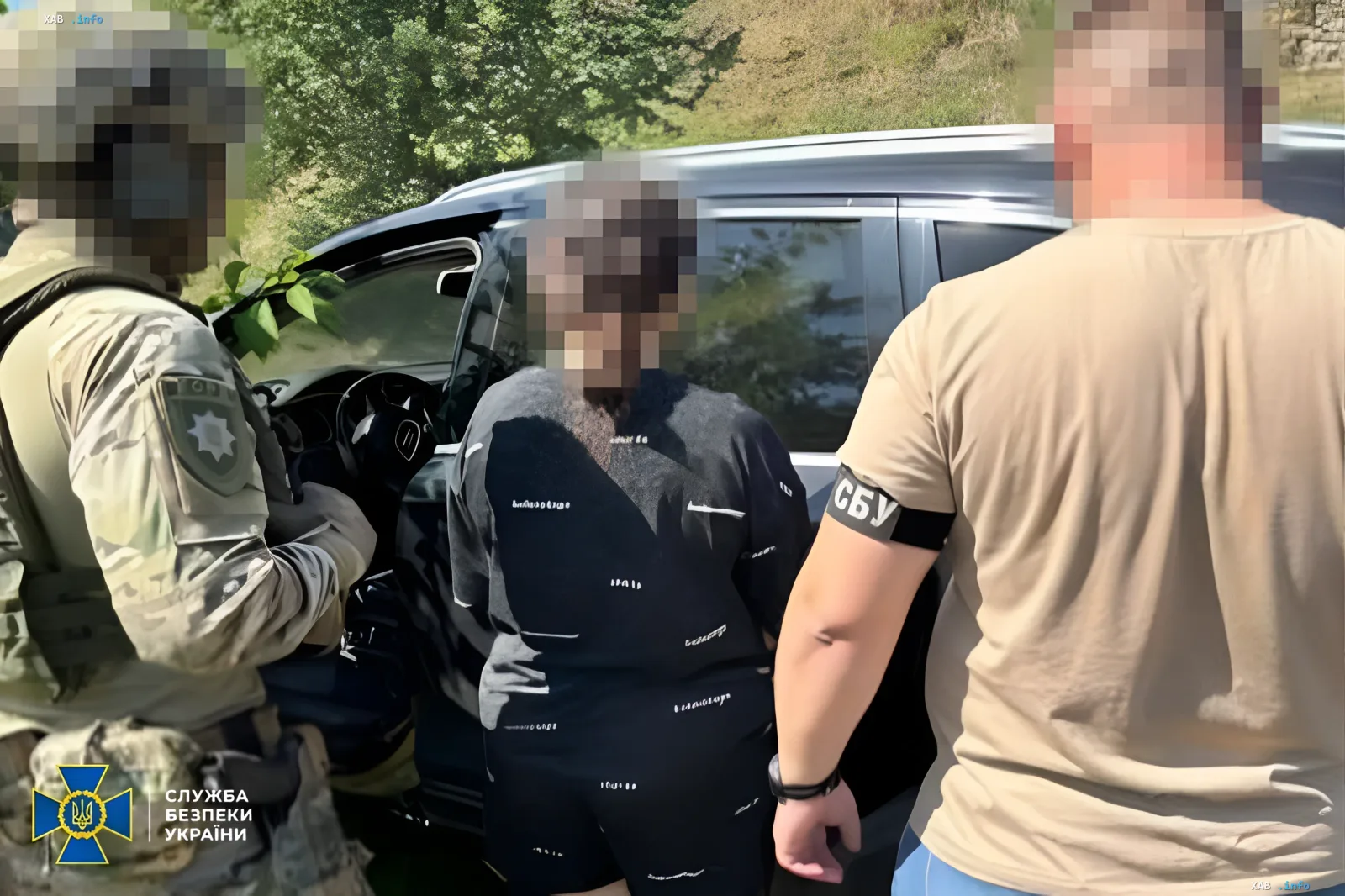
On August 7, 2026, the Security Service of Ukraine (SBU), together with the State Bureau of Investigation (SBI) and the National Police, announced the results of joint special operations. Law enforcement agencies reported the dismantling of four illegal channels used to evade conscription and illegally leave the country. During the operations in the Kharkiv, Kirovohrad, and Vinnytsia regions, seven individuals suspected of organizing criminal activities were detained.
Fake employment and medical certificates
One of the most common evasion methods identified during the investigations was fake employment. In Kharkiv, law enforcement officers detained an employee of the headquarters of one of the battalions of the National Guard of Ukraine. According to the investigation, the suspect, for a fee of $8,000, employed conscripts at a construction enterprise with the status of a critical infrastructure object. This status allowed for the issuance of deferments and the organization of business trips abroad for employees, effectively removing them from the control of military commissariats.
In the same region, in Kharkiv Oblast, a scheme involving the falsification of medical documents was uncovered. A psychiatrist, who previously headed a branch of the Medical and Social Expert Commission (MSEC), was detained. The investigation claims that the specialist sold certificates of unfitness for military service, issuing them based on falsified diagnoses. Additionally, the doctor advised clients on methods of simulating mental disorders to pass the medical commission with an "unfit" status.
Fake education and illegal border crossing
In the Kirovohrad region, law enforcement officials recorded the actions of an academic representative. According to the investigation, the head of a department at one of the local universities, for $5,000, enrolled conscripts in a fake postgraduate program. This status provided the right to a legal deferment from conscription, but in this case, the educational process was completely simulated for profit.
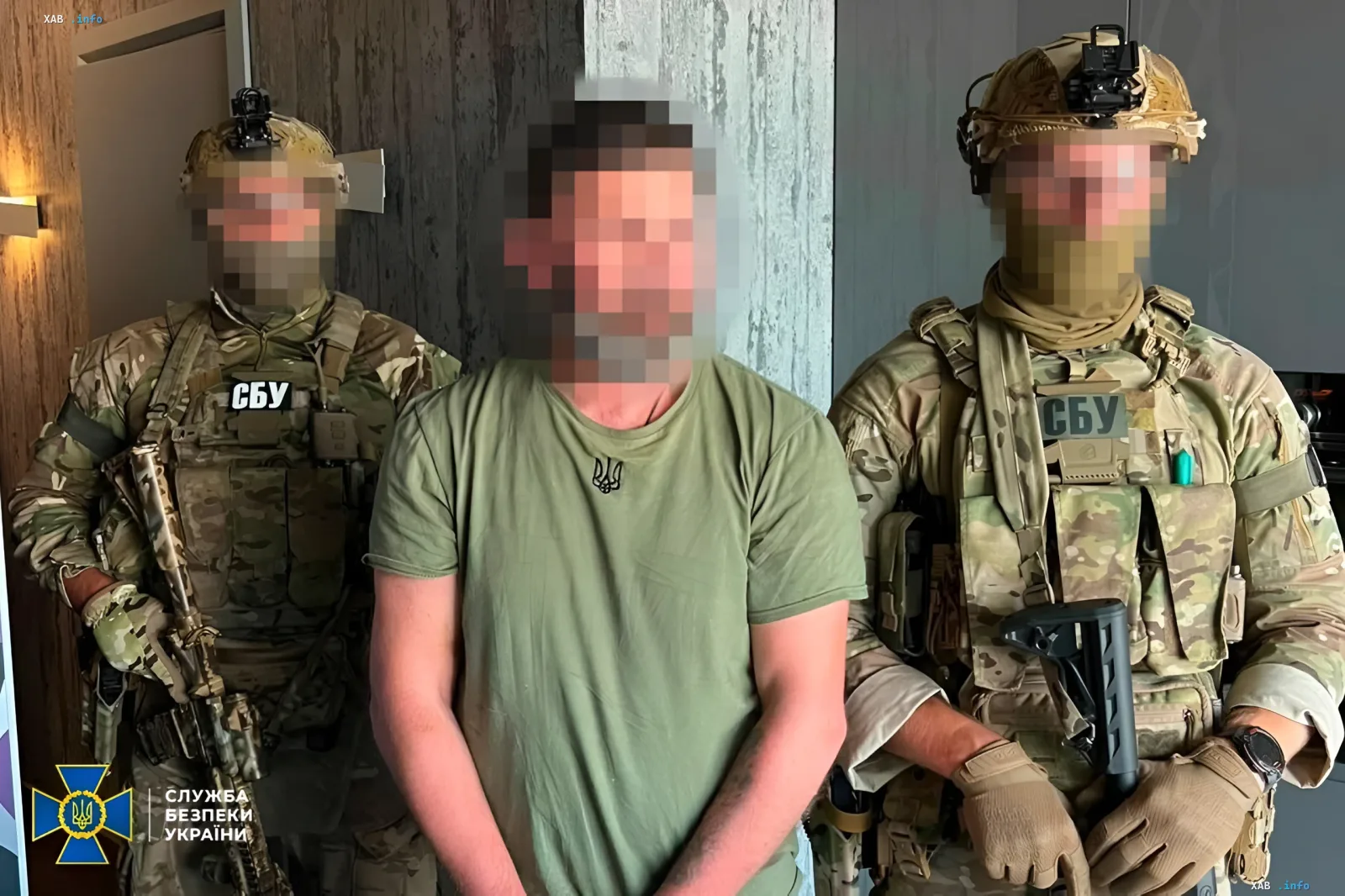
The most dangerous scheme, involving a risk to life, was uncovered in the Vinnytsia region. There, a group of four people was exposed for organizing illegal crossings of the state border outside of checkpoints. For $12,000, the suspects transported clients to the border zone in their own vehicles. The smuggling routes included difficult sections, including swimming across the water border, which poses a direct threat to the lives of those being smuggled.
Contradictory data
While official statements from the SBU and SBI clearly indicate the dismantling of four specific schemes and the detention of seven people, an analysis of contextual information reveals discrepancies in the overall picture of the fight against evasion. In particular, other sources, such as the publication "Korrespondent," report the discovery of additional schemes in other regions, where the number of participants and the scale of operations may be significantly larger.
While the official press release dated August 7, 2026, focuses on four completed cases, open sources cite data on more extensive investigations covering dozens of schemes and hundreds of evaders. This may indicate that the announced figures are only part of the overall statistics, or that law enforcement agencies prefer to publish information as investigative actions are completed, creating a temporary gap in information.
Legal consequences and comments
All detained individuals have been notified of suspicion under the relevant articles of the Criminal Code of Ukraine. The suspects are charged with crimes related to the illegal smuggling of persons across the state border, obtaining undue benefits, and abuse of influence. According to current legislation, they face punishment in the form of imprisonment for up to 10 years with confiscation of property.
Official comments from the detained individuals or their human rights defenders have not been received at the time of publication. The special service emphasized that the fight against shadow schemes allowing evasion of military duty remains one of the priorities of the law enforcement system under martial law.