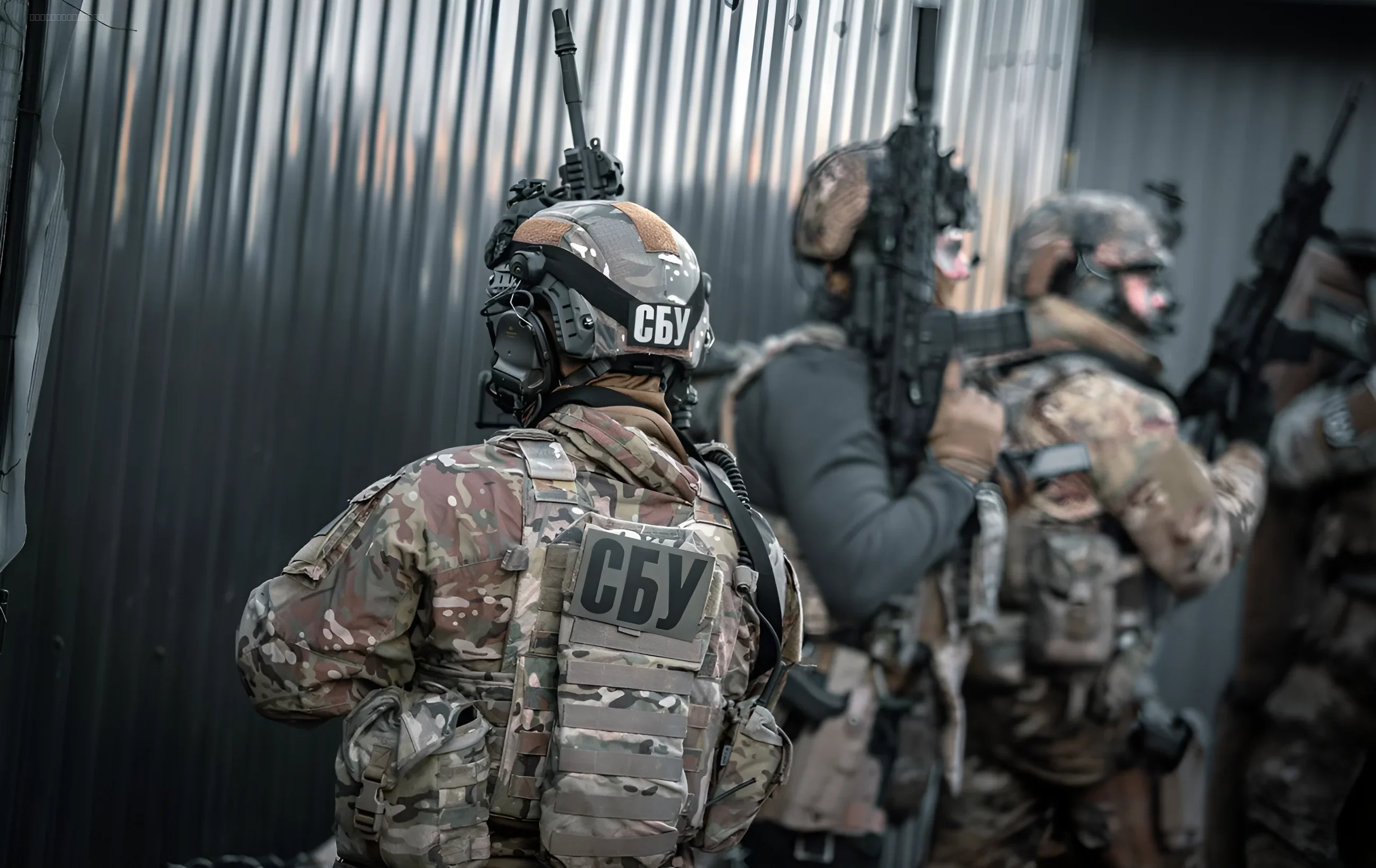
On the night of May 24, Kyiv faced one of the largest combined attacks in the history of the war. Hundreds of drones and dozens of missiles rained down on the capital, but behind this chaos was not only the cold logic of Russian intelligence but also betrayal from within. The Security Service of Ukraine (SBU) swiftly thwarted the activities of an agent who was correcting enemy strikes in real-time.
The Trap of "Easy Money"
Face to face with justice stood an 18-year-old resident of Kyiv. His path to treason began not in secret headquarters but in familiar social networks. Like many other young people, he was lured by the bait of "quick money" and "simple tasks." Russian intelligence services, exploiting his vulnerability and naivety, recruited him, gradually drawing him into the orbit of espionage.
Initially, the tasks seemed harmless: traveling to the suburbs of the capital and marking transport corridors used for moving military equipment on maps. This was a test phase. Successful completion of the "test task" opened the door for the teenager to more serious and dangerous work.
Coordinates of Death
After the May attack, the agent received a new order. He had to document the aftermath of the strikes and transmit this data to his handlers. The perpetrator drove to Ministry of Defense facilities and the sites of "strikes," gathering information to correct follow-up attacks. He planned to transmit data in real-time, allowing the enemy to instantly assess the effectiveness of strikes and plan new ones.
SBU investigators acted swiftly. The agent was detained the day after the shelling while conducting reconnaissance on the ground. A direct link was found between his actions and damage to national security.
The Price of Betrayal
General Prosecutor Ruslan Kravchenko sharply outlined the essence of what was happening. For the enemy, it is simply "content" and "coordinates"; for Ukrainians, it is human lives and destroyed homes. Investigators informed the suspect of suspicion of committing treason under martial law (Part 2 of Article 111 of the Criminal Code of Ukraine).
The agent was granted a preventive measure in the form of detention. He faces life imprisonment with confiscation of property. The case of the 18-year-old Kyiv resident is a worrying signal that the aggressor's intelligence services are increasingly turning their attention to the youth, using psychology and digital communication channels for recruitment. The end of such "work" is always the same: criminal liability and betrayal of one's own country.


