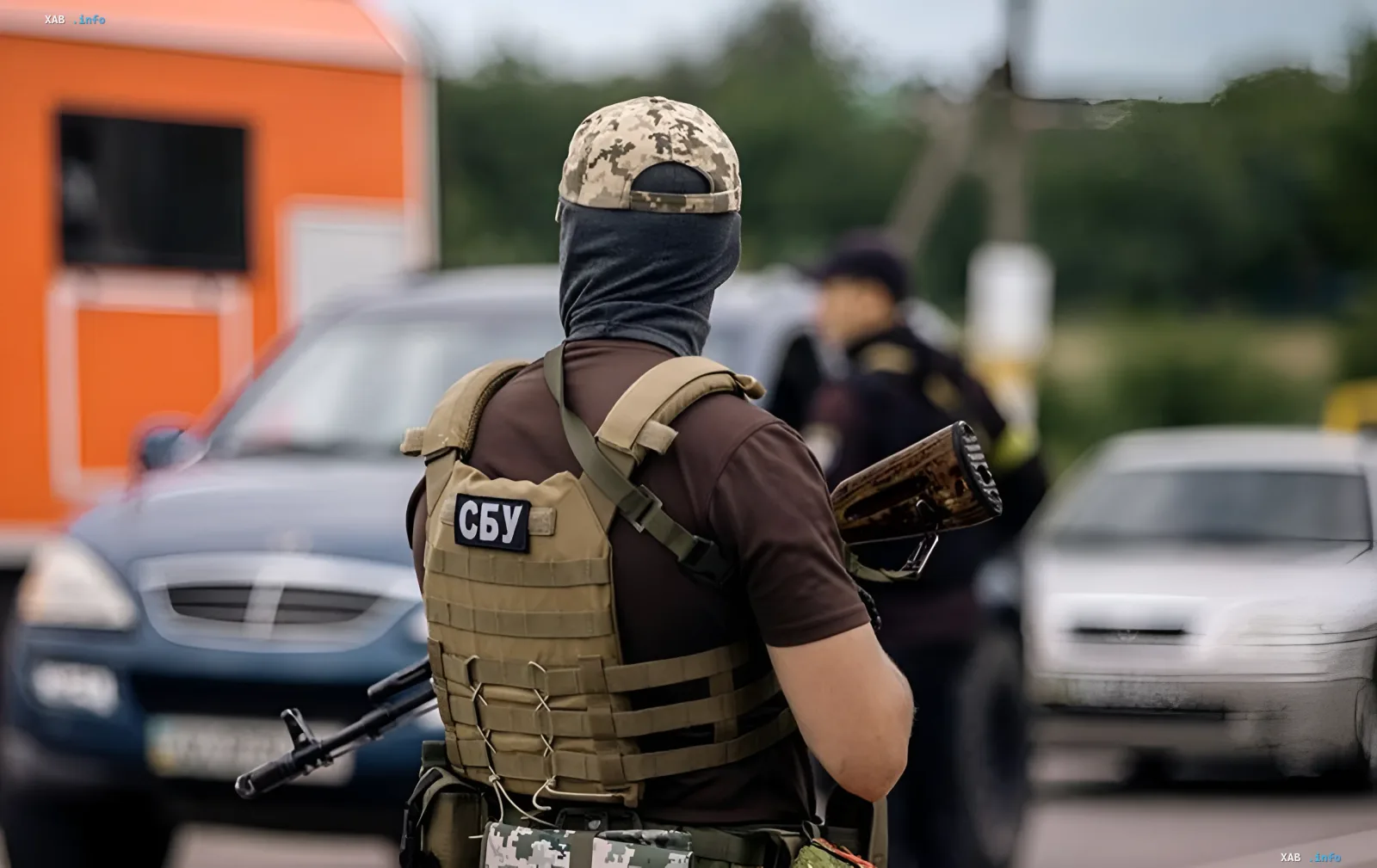
The Security Service of Ukraine (SBU) has exposed a large-scale corruption scheme involving the supply of medicines to budget-funded medical institutions and the Armed Forces. According to the security service, an organized group of commercial intermediaries systematically inflated the prices of pharmaceuticals, causing damage to the state budget exceeding 80 million hryvnias. This was reported by RBC-Ukraine, citing an official SBU statement.
The Scheme's Mechanism: From Procurement to 'Markup'
According to the investigation, the perpetrators set up a resale chain: they bought drugs directly from manufacturers and importers, then resold them to state and budget-funded medical institutions, as well as to structures of the Armed Forces. The key element of the scheme was a substantial excess of the state-permitted maximum 10 percent markup on the cost of medicines. As a result, the difference between the actual purchase price and the price at which the drugs were supplied to budget institutions ended up in the intermediaries' pockets.
Tax Credit as a Tool for Cashing Out
In addition to the direct resale of overpriced medicines, the participants used enterprises under their control to create an artificial tax credit. This mechanism allowed them not only to legitimize the illegally obtained funds but also to cash them out subsequently. In essence, each 'marked-up' medicine supply generated a fictitious tax offset, which was then converted into cash.
Detentions and Searches: Three Regions, 16 Addresses
As part of the investigation, law enforcement officers carried out 16 searches at the residences of the suspects and in their offices. As a result, four representatives of commercial structures operating in Kyiv, Lviv, and Dnipropetrovsk regions were detained. During the searches, documentation confirming the supply chains and the formation of a fictitious tax credit was seized. The four detained individuals have already been notified of suspicion under Part 5 of Article 191 of the Criminal Code of Ukraine — embezzlement or misappropriation of property on an especially large scale committed by an organized group. The court is now selecting a preventive measure in the form of detention. The maximum penalty under this article is up to 12 years of imprisonment with confiscation of property.
Broader Context: Fighting 'Draft-Dodger' Corruption and the SBU's Transformation
The exposure of the 'pharmaceutical' scheme became part of a broader anti-corruption campaign that the SBU is conducting against the backdrop of the ongoing war. Recently, the security service, together with the National Police, detained a former People's Deputy who had organized a corruption scheme for so-called 'draft dodgers': for $10,000, the suspect helped those subject to military service obtain a fictitious disability status, leveraging his own connections in medical institutions. Thus, both schemes — the one with medicines and the one with fake disability — touch the same vulnerable point: the medical system serving both civilians and the army.
The President's Position: 'Cleansing' and Focus on the Front
Against the backdrop of these exposures, Ukrainian President Volodymyr Zelenskyy previously announced new SBU operations against Russia and emphasized the need to 'cleanse' the agency's internal structure. According to the head of state, the security service should focus on clear tasks to weaken the enemy, rather than getting distracted by internal intrigues. The exposure of an 80-million-hryvnia scheme in a field critical to maintaining the combat readiness of the Armed Forces can be seen as one of the practical steps in this direction.