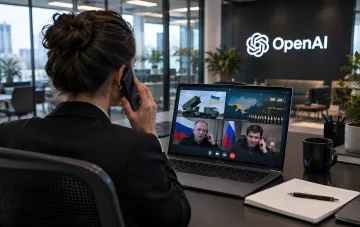
The National Police of Ukraine and the National Bank of Ukraine have recorded a wave of calls from fraudsters posing as bank employees who use the pretext of an "urgent update" of payment cards to extort confidential data from citizens. The scammers convince victims that accounts will be blocked without immediate action, and under this pressure, they extract details and codes. This was reported by RBC-Ukraine with reference to law enforcement and regulatory authorities.
How Fraudsters Build Trust
According to sources, the criminals often possess some information about the victim: they know their name, the bank's name, or other details, allowing them to sound convincing and quickly gain trust. This "personalization" makes the call frighteningly realistic and lowers the vigilance of the person, who perceives the conversation as a legitimate contact with their financial institution.
What Real Bank Employees Never Ask For
Experts emphasize a key rule: real financial institution employees never ask for full card details, PIN codes, the three digits on the back (CVV/CVC), or SMS codes, nor do they force people to perform transactions "under dictation." Any demand to provide this data over the phone is a sure sign of fraud, no matter how convincing the caller sounds.
Cybersecurity Rules to Protect Funds
Experts recommend following several strict rules. First, do not click on suspicious links sent by scammers via messengers and email to steal data. Second, verify resources: use only official contacts and bank websites with the secure https protocol. Third, avoid fake chatbots—criminals create copycat bots to siphon off money under the guise of payments. Finally, establish robust security: use unique strong passwords and enable two-factor authentication.
What to Do If Data Has Already Been Disclosed
If a person has accidentally disclosed card data or become a victim of criminals, they must immediately call the bank at the number indicated on the back of the card and block the account. Additionally, they should contact the Cyberpolice via the online form or the hotline number 0 800 505 170. The faster these steps are taken, the higher the chance of stopping the theft of funds.
Context: Similar Schemes in Other Regions
Similar tactics—calls from the bank, threats of blocking, and demands for an SMS code—are also recorded in other jurisdictions. For instance, reports by the Russian Ministry of Internal Affairs describe a scheme where fraudsters threaten to block transfers via the Faster Payments System and extort SMS codes or persuade victims to install malicious applications granting remote access to the device. In both cases, regulators agree on one thing: real bank employees do not request SMS codes or demand the installation of third-party programs over the phone.