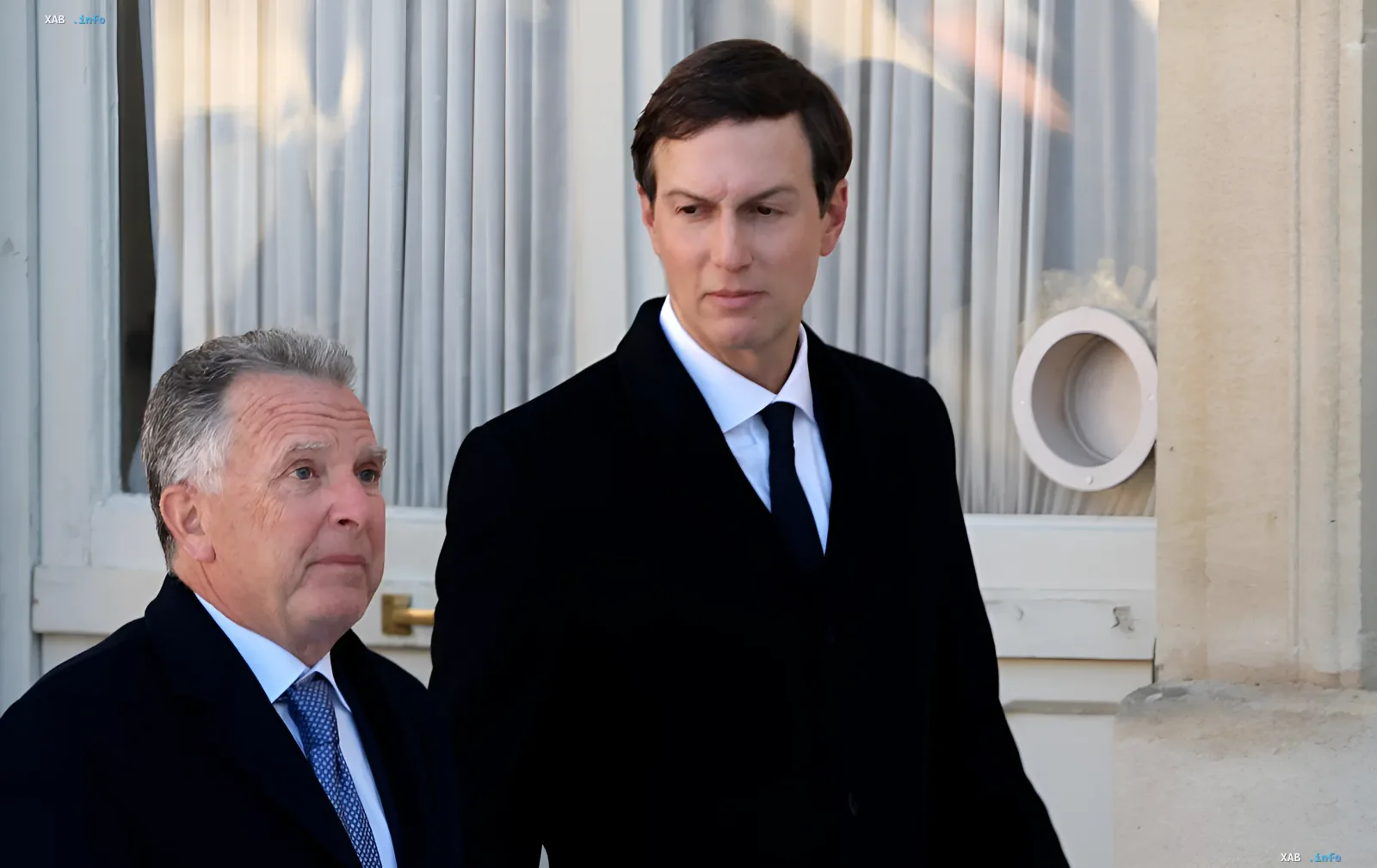
In Tennessee, away from the prying eyes of the press and official cameras, a meeting took place that may signal significant shifts in US foreign policy. Presidential special envoys — Steve Witkoff and Jared Kushner — held closed-door consultations with leading nuclear experts in the country. The event took place within the walls of the Oak Ridge National Laboratory, one of the key centers of atomic science in America.
Closed-door consultations at the heart of atomic science
The visit of high-ranking officials to Oak Ridge was not announced in advance. The White House made no public statements, underscoring the exceptional confidentiality of the negotiations. Experts link this to the sensitivity of the issues discussed, concerning national security and nuclear non-proliferation.
During the meeting, American specialists discussed possible scenarios for interaction with Iran with representatives of the administration. The discussion focused on diplomatic mechanisms to curb the development of Tehran's nuclear program, as well as formats for potential future agreements. According to sources, the US administration is currently actively developing options for resuming or launching new negotiations on Iran's nuclear program.
Positions of the parties: where is the line drawn?
Iran's nuclear program remains one of the main sources of tension in relations between Washington and Tehran and countries in the Middle East. The situation is exacerbated by mutual accusations and a lack of trust between the parties.
US President Donald Trump previously noted that Iran's leaders have not yet reached an agreement, calling them "strong" and "proud." Washington insists on substantial concessions from Iran in the nuclear sphere, however, Tehran refuses to go for such conditions.
In turn, the Iranian side believes that negotiations have reached a dead end due to frozen assets amounting to $24 billion. These funds, according to Iran, should be returned as part of any possible agreement.
What's next?
Although the details of the discussions in Oak Ridge remain classified, the very fact of holding such consultations indicates that Washington is ready for serious steps. Perhaps, it is about preparing for a new round of negotiations or even developing alternative scenarios in case of diplomatic failure.
For the international community, this is a signal: the issue of Iran's nuclear program is once again at the center of US attention. And if previously the emphasis was on sanctions and pressure, now, it seems, Washington is considering a wider range of tools — from diplomacy to technological control.
It is too early to talk about specific results, but one thing is clear: active work is already underway behind the scenes. And this means that in the near future, the world may see new proposals, new threats — or, perhaps, a new path to relaxation.


