The speed at which a beginner driver gains confidence on the road directly affects the safety of all road users. Practical experience is the foundation that cannot be bought but can be intelligently accelerated. How to move from a timid start to confident maneuvering and avoid the typical mistakes made by 90% of beginners?
Why the Instructor is More Important than the Car
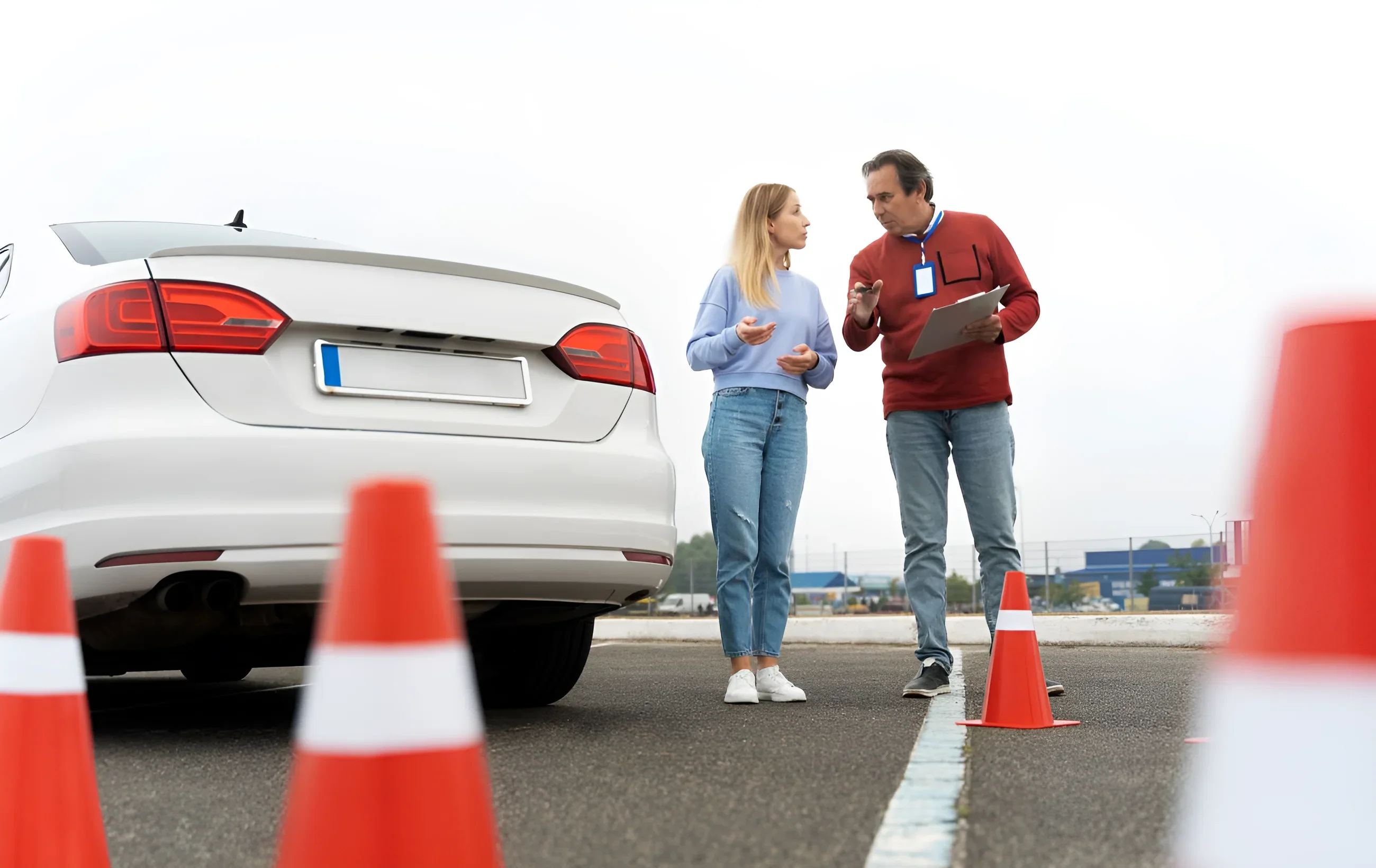
According to experts, the key factor for success is not the car brand, but the qualification of the mentor. Sergey Lukyanchuk, founder of the driving mastery school "Energy of Motion," states: "With a good instructor, any personality can become a good driver." In 25 years of practice, he has not met anyone incapable of safe driving. The main tool here is the teacher's authority, who demonstrates correct actions by example.
However, it is important to understand the difference between exam preparation and real training. Many driving schools focus on passing tests rather than developing safe habits. Therefore, choosing the right school and a responsible instructor becomes a critical decision.
The Danger of "Home" Training
Many try to get their first driving experience in a family car. The desire to save time is understandable, but it is fraught with the consolidation of mistakes. Without professional control, a beginner may get used to dangerous habits:
- Coasting through turns;
- Delaying the release of the clutch;
- Operating at excessively high RPMs when shifting gears;
- Keeping the left foot on the brake pedal or gear selector.
A professional instructor will prevent these actions from entering muscle memory, which will save you from emergency situations in the future.
The 2000 Repetitions Rule
To turn knowledge into intuition, a colossal amount of practice is required. Experts cite the figure: 1,500–2,000 repetitions of one action. This is necessary for skills to reach the level of automatism. Only then can we talk about behavior in complex urban traffic.
During training, it is important to "listen" to every manipulation and the car's reaction. No music or side conversations—only concentration on the process.
Effective Training Methods
When basic exercises are performed confidently and without looking at your hands, it is time to move on to complicating conditions. Try performing the same maneuvers at an accelerated pace, on an incline, or downhill. Do this on a closed lot where no one will interfere. Such "second-level training" will allow you to adapt faster to real road conditions.
Remember: money and status cannot replace personal effort. Successful driving is the result of systematic work, a clear understanding of road markings and signs logic, as well as regular training under the supervision of a professional.


