In times of economic instability and rising prices for auto service services, every driver is looking for ways to optimize car maintenance costs. Experts and automotive publications, including the Styler project, remind us: not every breakdown or technical necessity requires a trip to the service center. There is a range of basic procedures that any car owner can perform independently with a minimum set of tools and elementary knowledge.
Tire Pressure and Rubber Condition
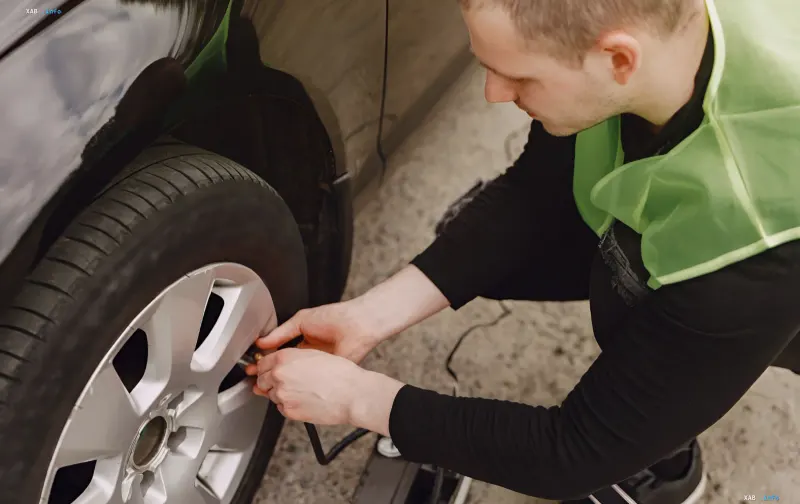
One of the most frequent and critically important procedures is checking tire pressure. This action takes only a few minutes but directly affects safety, handling, and fuel consumption. The correct pressure values for a specific car model are always indicated on a sticker located on the driver's door pillar or in the user manual. If the pressure is below normal, the wheel can be inflated with a portable compressor, which is in the trunk of many modern drivers.
Aside from pressure, it is necessary to visually inspect the wheels. The driver should check for obvious damage, such as cuts, bulges, or deep cracks, and also assess the condition of the tread. Ignoring these simple checks can lead to expensive suspension repairs or an emergency situation on the road.
Replacing Consumables: Wipers and Filters
Wipers are an element that often fails or loses efficiency due to weather conditions. If the windshield wipers leave streaks, squeak, or do not clean the windshield well, their replacement does not require complex equipment. The main rule is to correctly select the blades according to the type of attachment and size for your car and secure them firmly. This is a simple task that does not require a trip to the service station.
A similar situation with the cabin filter. In many modern cars, access to it is open and does not require disassembly of the dashboard. Usually, the filter is located behind the glove box or under it. If the filter is clogged, which can cause unpleasant odors in the cabin or allergic reactions, it can be easily replaced with a new one independently.
Fluids and Lighting Equipment
Monitoring the level of technical fluids is a driver's duty that cannot be delegated. To top up the washer fluid, you just need to find the appropriate tank under the hood and fill the mixture to the required level. It is important to remember about seasonality: in cold weather, it is necessary to use antifreeze winter fluid to avoid damage to the washing system.
Checking the oil level is also within everyone's reach if the car has a dipstick. For accuracy, the car must be placed on a level surface and act strictly in accordance with the manufacturer's instructions. As for the electrical system, checking the operation of headlights, stop lights, turn signals, and hazard lights can be done independently or by asking someone to help. In some car models, replacing a burnt-out bulb also does not require special skills.
Boundaries of Independent Repair
Despite the ability to save money on simple procedures, it is important to understand the boundaries of competence. You can only perform work yourself that you are 100% sure of. If the problem concerns complex systems such as brakes, engine, electronics, or suspension, it is better to contact a qualified specialist. It is worth saving on routine maintenance, but not on safety and the health of the car.