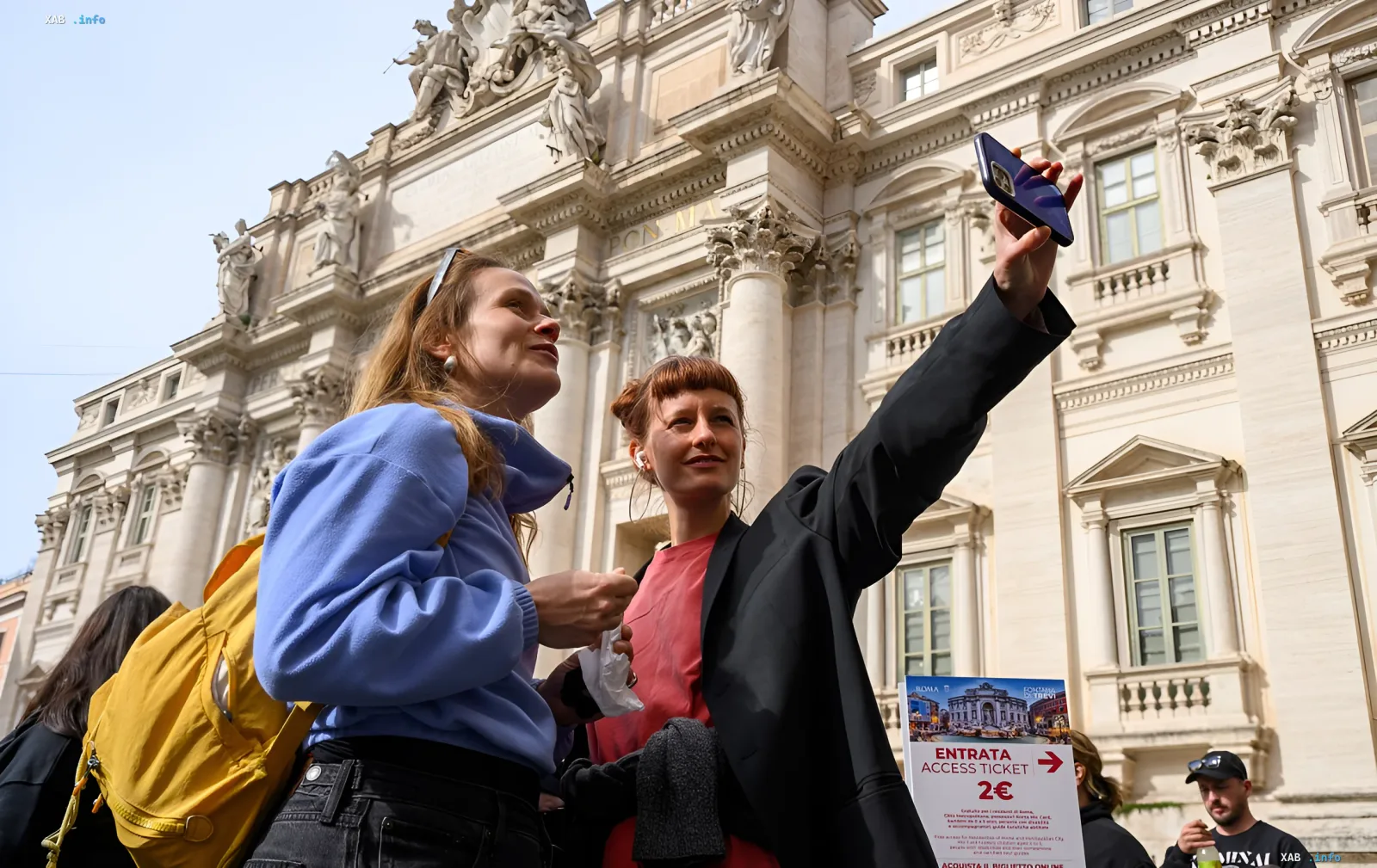
In the era of digitalization, routine actions such as posting photos on social media can carry hidden risks. Cybersecurity experts warn that scammers have learned to extract fingerprints from selfies where hands are clearly visible — especially if the person is making a 'V' gesture (peace sign). With the help of artificial intelligence, such images can be enhanced to a level sufficient for creating a biometric template.
This is not science fiction from spy movies. As Vyas Sekar, a professor at Carnegie Mellon University, noted, theoretically, hackers could use such data to access devices requiring fingerprint scanning — smartphones, laptops, or security systems. Public figures and high-ranking officials, whose photos are often available in high resolution, are particularly vulnerable.
Real precedents and attack targets
An example is the 2014 incident when hacker Jan Krissler from the Chaos Computer Club reconstructed the fingerprint of then-German Defense Minister Ursula von der Leyen (now President of the European Commission) based on her photos. This proves that the technology already works in practice, although it requires significant resources.
Today, the authorities of Oklahoma have officially warned citizens about the risk of biometric data theft via social networks. Experts emphasize: the probability of an attack on an ordinary user is low, but it exists — especially if the target is valuable or has access to sensitive information.
How to protect yourself?
Simple measures can significantly reduce risks:
Avoid posting photos where fingerprints are clearly visible — especially when making a 'V' gesture, touching the screen, or in other situations where the skin of the fingers is well-lit and in focus.
Use multi-factor authentication (MFA). Even if a malicious actor obtains your password or copies your fingerprint, access to the account will be impossible without a second factor (e.g., a code from SMS or an authenticator app).
Remember: biometrics cannot be changed like a password. If your fingerprint is compromised — it will remain vulnerable forever.
Other threats in the digital space
In addition to biometric attacks, scammers actively use other methods. In Ukraine, there has been a mass distribution of fake 'electricity bills' in the name of the Ministry of Energy. The ministry emphasized: the department has never sent and does not send payment notifications via email.
Attacks via QR codes are also common — scammers replace legitimate links with malicious ones to steal data or money. Separately, it is worth noting a wave of messages in the name of the SBU: scammers are sending 'summonses', trying to intimidate citizens and extort funds.
All these cases show: cyber threats are becoming more sophisticated, and their targets — more diverse. The only protection is vigilance, awareness, and the use of modern security tools.


