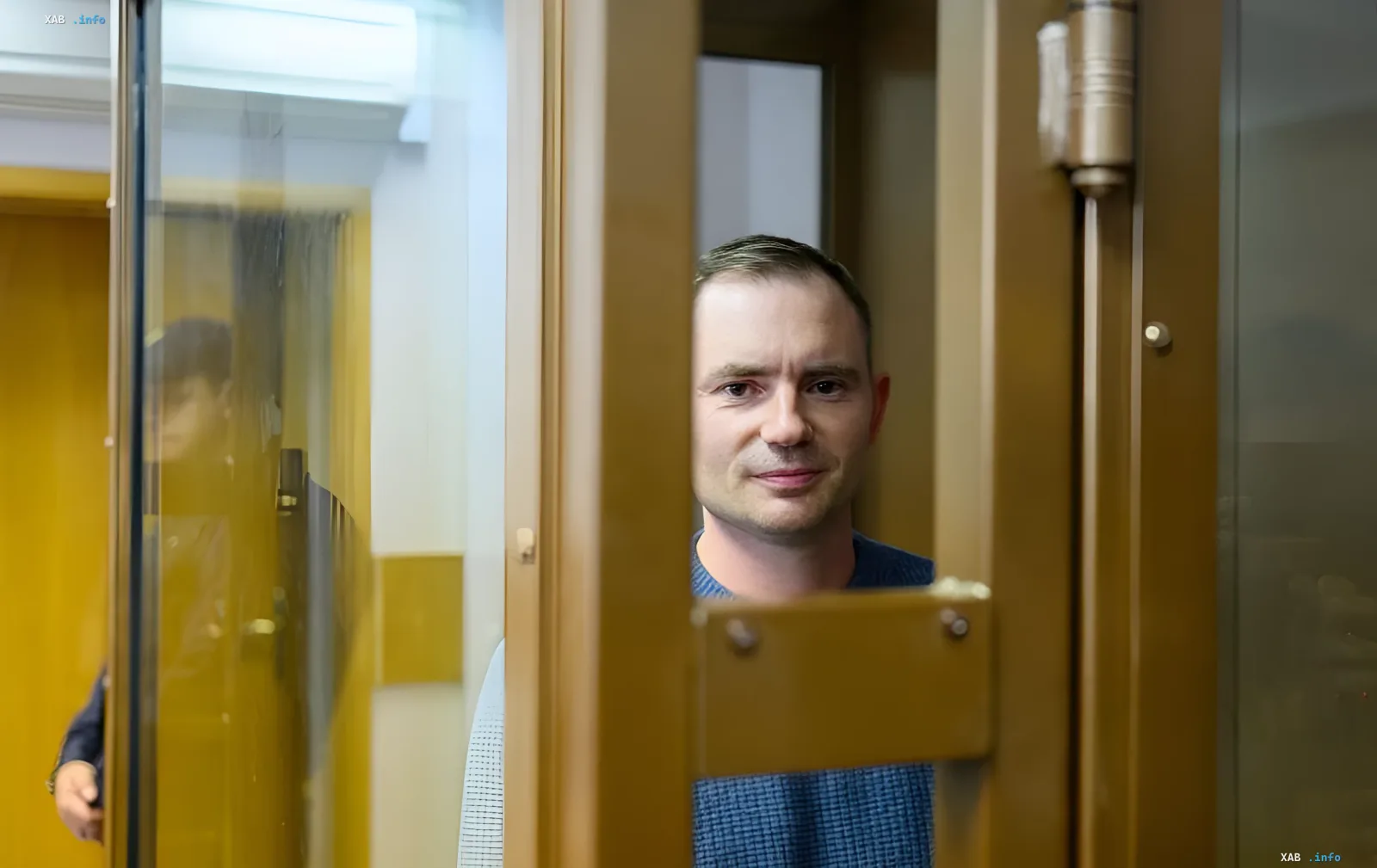
Russia has issued another high-profile verdict, once again raising questions about the boundaries of freedom of speech. Maxim Kruglov, the deputy leader of the opposition party Yabloko, has been sentenced to seven years in prison. The basis for such a severe punishment was two messages published by the politician in his Telegram channel in 2022.
Posts about the war and Bucha as grounds for a criminal case
The investigation qualified Kruglov's actions as extremist. The focus was on publications concerning the war in Ukraine. One message contained a link to UN data on casualties during the conflict, while another covered events in Bucha after the city was liberated from Russian occupation. According to the prosecution, it was these materials that became the catalyst for filing a criminal case.
"Political disagreement is equated with hatred"
During the trial, Maxim Kruglov did not plead guilty. He insisted that the case was purely political in nature. The politician categorically rejected the prosecution's claims that his publications were dictated by hatred. "It turns out that political disagreement is equated with hatred," Kruglov emphasized, pointing out the absurdity of the interpretation of his words.
Timing of the verdict and the party's reaction
The court's decision was announced less than three months before the elections to the State Duma of the Russian Federation, scheduled for September. This coincidence could not go unnoticed. The leader of the Yabloko party, Nikolai Rybakov, called the verdict unfair and severely criticized the persecution of opposition politicians.
Kruglov himself, despite the verdict, declared his intention to continue the struggle. He emphasized that he would speak out against the war and believes that Russia will one day become a peaceful country. "A country that neighbors respect, not fear. A country where you can have a different opinion," he added.
Context: increased control and censorship
Kruglov's verdict fits into the general picture of tightening control over the information space in Russia. In recent years, the authorities have significantly expanded the powers of the security services. Now they have access to citizens' financial data, including bank accounts and personal communications.
At the same time, large-scale disconnections of mobile communications and the internet are being recorded in dozens of regions, including Moscow. The authorities explain such measures as necessary to counter external threats. In addition, the FSB has been granted additional rights to restrict or completely disconnect the internet and telephone communications as part of new mechanisms for controlling communication networks.
Under these conditions, the Yabloko party, which was one of the main liberal forces in the post-Soviet period, is today not represented in the federal parliament, having only a few seats in regional legislative bodies. Nevertheless, the party continues to use the election campaign as a platform for anti-war statements, risking even harsher pressure.


