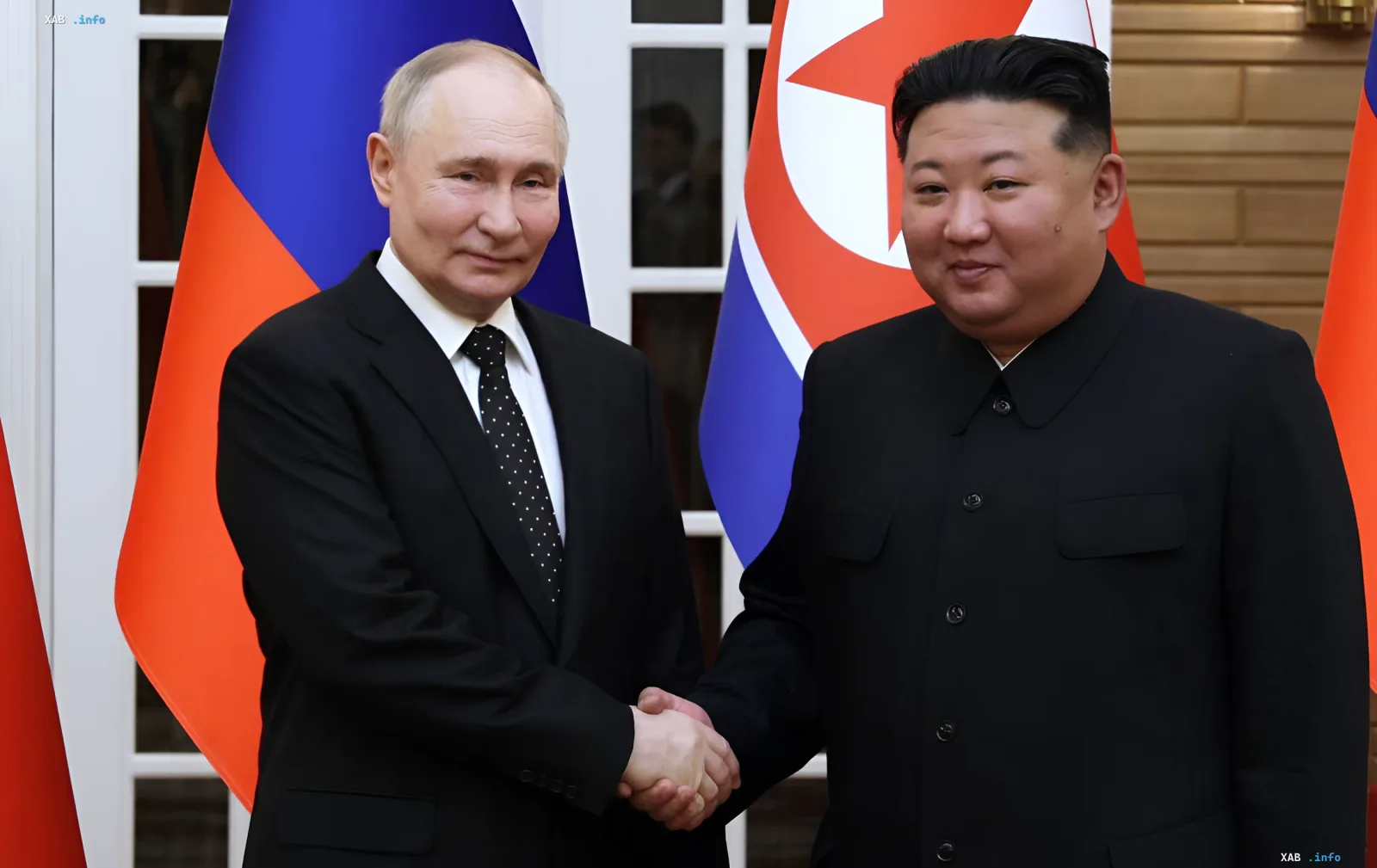
International restrictions imposed on North Korea have proven ineffective: Pyongyang continues to import huge volumes of oil and export minerals, utilizing assistance from Russia and China. Intelligence data and reports by South Korean lawmakers reveal the scale of shadow cooperation that effectively ignores UN Security Council resolutions.
Fuel shortage or hidden supplies?
UN Security Council Resolution 2397 strictly limits the import of petroleum products into North Korea — to 500,000 barrels per year. Official statistics show that Pyongyang received 483,139 barrels — almost 97% of the limit. But this is just the tip of the iceberg. Actual supply volumes from China and Russia exceed the permitted amount by seven times.
Since the beginning of 2024, Russia has stopped reporting on its fuel supplies to North Korea. The Kremlin remains silent, while South Korean lawmaker Yoo Young-won claims that Moscow and Beijing are deliberately concealing actual supply volumes to ensure the Kim Jong-un regime has energy resources.
Shadow fleet and falsification of origin
Pyongyang is not only buying but also actively selling. Despite a total UN ban, North Korea exports coal and iron ore. For this purpose, a "shadow fleet" is used — cargo ships under foreign flags, just like Russia.
The main trick is falsifying the origin of goods: North Korean coal is marked as Russian. Last year, the volume of such supplies amounted to about 1.5 million tons. Pyongyang is trying to expand this shadow business to China and other countries.
Military cooperation and ship escort
From September 2023 to April 2024, North Korea sent a colossal amount of weapons to Russia: artillery shells, multiple rocket launch systems, and hundreds of short-range ballistic missiles. Russian warships even escorted North Korean cargo ships. Intelligence identified three ships that were already under Seoul's sanctions but were sailing freely between the ports of the two countries.
Political scandal in South Korea
The situation has caused a political scandal in South Korea. Lawmaker Yoo Young-won criticized the current administration for inaction: no new sanctions have been imposed for a whole year.
"Data shows that even though North Korea is bypassing international sanctions, importing large volumes of refined oil, and continuing illegal mineral exports, the government has not taken any effective sanction measures," Yoo stated.
Since 2017, South Korea has added 170 individuals and 108 organizations to its blacklists. However, since last June, this process has effectively stalled.
Nuclear race and new missiles
Lately, North Korea has accelerated its militarization, especially in the nuclear field. Recently, North Korea stated that it will never give up its nuclear status. Kim Jong-un has planned to strengthen the North Korean navy for nuclear deterrence.
IAEA reported increased activity at North Korea's nuclear facilities. Additionally, Pyongyang tested new "smart" missiles for the first time. The new cruise missile is capable of hitting targets up to 100 km away with high precision.


