

While Western countries were mass-expelling Russian diplomats and intelligence officers following the start of the full-scale war, some of them found a new, unexpected base for their operations. According to Western intelligence services and Ukrainian intelligence, Japan has become a key hub for purchasing technologies for Russia's military-industrial complex.
The situation escalated after Ukrainian experts determined that approximately 90% of Russian missiles and drones contain components of Japanese origin. This made Tokyo a primary target for a secret unit of the Main Directorate of the General Staff (GRU) — the 20th Directorate, which specializes in sourcing and supplying critical technologies in circumvention of sanctions.
A Spy in an Airline Office
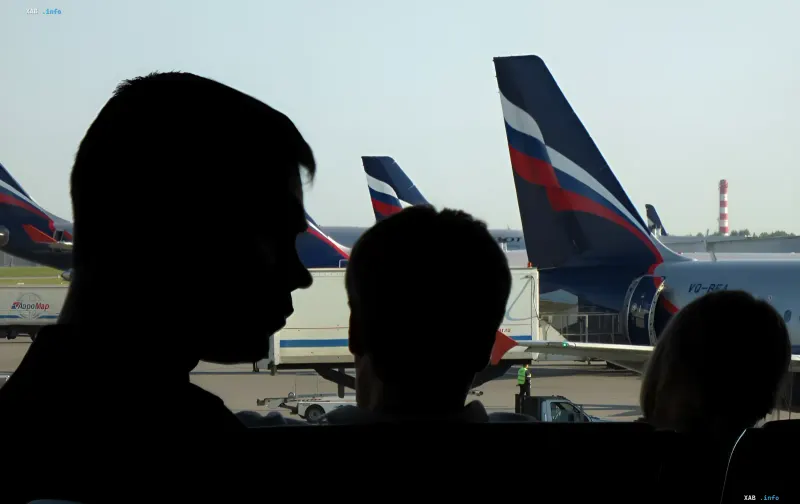
At the center of the investigation is GRU officer Maxim Filchenkov. Officially, he is listed as an employee of the Russian airline "Aeroflot," however, journalists have discovered that he is the one leading the network for procurement in Japan. His office is located in Tokyo, just a ten-minute walk from the headquarters of the National Police Agency of Japan, which investigates espionage scandals.
Journalists attempted to meet with Filchenkov several times, but he refused to comment. During the last visit, through an office employee, he conveyed that he had no intention of speaking. According to sources, the officer is actively seeking partners among Japanese logistics companies to organize complex supply chains through third countries.
Logistics Bypassing Sanctions
One of the key figures in this scheme is named as the logistics company Proco Air. It handles cargo transportation to countries where "Aeroflot" flies — specifically, Sri Lanka and Uzbekistan. It is from there, according to the investigation data, that goods may be redirected to Russia.
The owner of Proco Air denies any ties with Russian intelligence, asserting that the company transports only permitted cargo. However, journalists found documents confirming the firm's cooperation with the Russian company "R-Pharm," the founder of which is under sanctions by Western countries.
Japanese Chips in Russian Missiles
Evidence of this network's work began to appear on the battlefield. After a Russian Kh-101 missile attack on a residential building in Kyiv, Ukrainian investigators discovered electronic components of Japanese origin among the debris. The export of such parts to Russia is officially banned.
These findings have forced Kyiv to regularly send diplomatic notes to Tokyo. In April 2025 alone, the Ukrainian Ministry of Foreign Affairs handed over no less than eight official documents to Japanese colleagues listing prohibited parts found in missiles and drones following strikes on Ukrainian cities. Ukraine is calling on Tokyo to strengthen export controls, however, Japan has so far taken no measures against Filchenkov.
The Japanese government states it is cooperating with Western allies to strengthen control, and local companies assure compliance with all sanctions. Nevertheless, according to Western intelligence, the Russian network for technology procurement continues to function.
New Horizons: Aviation Fuel
The activities of Russian intelligence in Japan are not limited to electronics. Previously, RBK-Ukraine reported that Russia plans to import aviation fuel from Japan through a network of intermediaries. According to Reuters, the Kremlin is forced to take such a step due to fuel problems following Ukrainian strikes on Russian oil refineries.
Thus, under the cover of business and diplomacy, Russia continues to build complex supply channels necessary for waging war, utilizing Japan's neutral status and loopholes in international control.


