
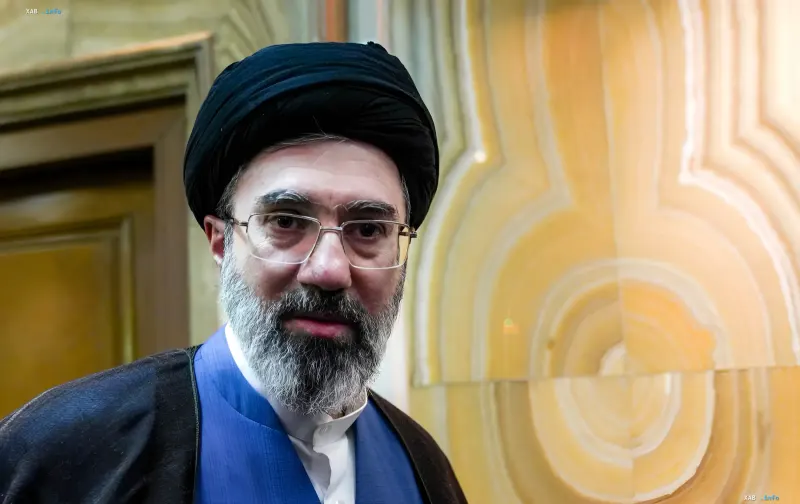
Funeral ceremonies are underway in Tehran to bid farewell to Ayatollah Ali Khamenei. The leader of Iran died on February 28 as a result of a strike on Iranian targets during the escalation of the conflict between Israel, the US, and Iran. However, the central event of the funeral became not so much a farewell to the departed, but a source of new intrigues surrounding the figure of his successor.
Mourning without the heir
On Sunday, three of Ayatollah Khamenei's sons: Mostafa, Meysam, and Masoud, prayed at the coffin. Their presence was recorded by state media, but Mojtaba Khamenei himself was not among the mourners. It is he, according to the hierarchy, who was supposed to lead Iran after his father's death, becoming the new Supreme Leader.
The absence of Mojtaba at such a significant event only fueled rumors about his condition. Since the attack on February 28, he has not appeared in public even once. State television showed the coffins of the Ayatollah and four members of his family in the inner courtyard of the Imam Khomeini Grand Mosque. Next to the body of the leader lay the remains of his daughter, son-in-law, daughter-in-law, and 14-month-old granddaughter, who died in the same attack.
Theories about health status
The information space is filled with contradictory data about the fate of the new leader. Sources close to Khamenei's circle at Reuters report that he suffered severe injuries. According to them, his face was seriously disfigured, and he may have also suffered leg injuries.
Media reports say that Mojtaba Khamenei miraculously survived the strike on the bunker, managing to leave it seconds before the explosion. According to CNN, he is continuing treatment for severe burns to his face, arm, torso, and leg. US intelligence cannot yet confirm his exact location.
Rumors of treatment in Russia
One of the most sensational assumptions is the theory of the secret transfer of Mojtaba Khamenei to Moscow. According to the press, he may be undergoing treatment in one of the residences of Russian leader Vladimir Putin. These rumors remain unconfirmed, but they reflect the tension surrounding the figure of the new Supreme Leader.
At the same time, the US believes that Mojtaba Khamenei was a key figure in shaping Tehran's military and negotiation strategy towards the US. His absence from the public sphere at the time of his father's funeral creates an information vacuum, which is filled with guesses about the future political course of Iran.


