
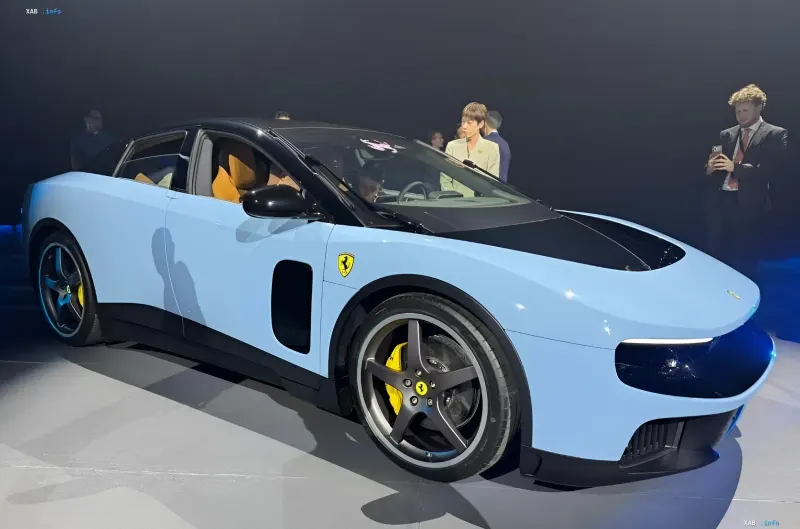
Major personnel changes have occurred at the Italian automotive giant Ferrari NV. The company announced the dismissal of Enrico Galera, who had held the position of Director of Marketing and Commercial Operations for 16 years. The resignation of this top executive, a key figure in forming waiting lists for limited series, was a direct consequence of the presentation of the brand's first fully electric vehicle — the Luce model.
The decision by CEO Benedetto Vigna to terminate the contract was made in the context of the need to stabilize shareholder value and minimize reputational risks. Industry analysts link the leadership change to serious miscalculations in positioning the new platform and the market's sharp reaction to the presented concept.
Criticism of the Luce concept: from design to sound
The debut of the Luce model, intended to demonstrate the brand's readiness to transition to clean energy sources, faced systemic criticism from experts and traditional clients. The main complaints focused on three key areas that called the product's exclusivity into question:
- Visual positioning: The car's exterior faced harsh criticism for departing from Ferrari's classic aerodynamic standards. Experts noted that the body elements are too similar to mass-market models from Asian manufacturers, which blurs the brand's premium status.
- Acoustic dissonance: The use of synthesized sound through speakers to simulate V8 and V12 engine operation was perceived by the market as an artificial solution, contradicting the brand's DNA, which is based on real internal combustion engines.
- Pricing: The base price of the electric vehicle at around €500,000 placed it in the upper price segment; however, the stated technical specifications caused skepticism among collectors and investors.
Strategic adjustment: return to hybrids
The current market situation has forced Ferrari's board of directors to promptly adjust production plans for 2026–2027. The company decided to temporarily limit the acceptance of pre-orders for the Luce and to revise the model's marketing positioning. The project is directed towards refinement, including exterior modernization and restructuring of the design department.
The strategic focus is shifting from full electrification (BEV) in favor of developing hybrid powertrains (PHEV). The bulk of investments will be redirected to platforms that have already proven their effectiveness, such as the SF90 Stradale and 296 GTB. These models demonstrate stable demand from a conservative audience, allowing the protection of minority shareholders' interests during periods of high volatility.


