A serious political crisis is brewing in the European Union, triggered by an unprecedented influx of migrants into the Spanish enclave of Ceuta. Leaders of several continental countries have openly demanded that Madrid take strict measures, up to and including the temporary suspension of Spain's participation in the Schengen Area. Events in North Africa have escalated from a local problem into a security threat for the entire bloc.
Demand for Suspension from Schengen
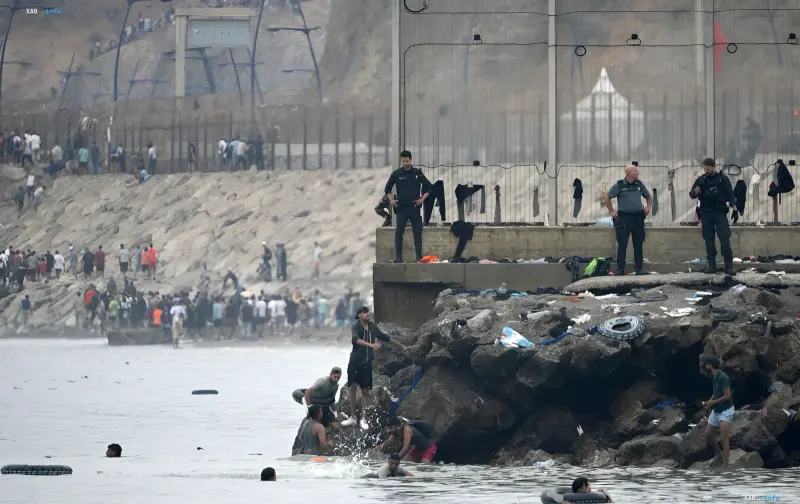
The situation reached a critical point after tens of thousands of people illegally entered Ceuta within a single day. In response, Swedish Prime Minister Ulf Kristersson made a harsh statement, urging Spain to "act quickly" to regain control of the situation.
The Swedish leader emphasized that Madrid must fulfill its obligations under Schengen cooperation. Kristersson warned that if the development of events poses risks to Sweden's security, the government is prepared to take necessary measures to ensure order and control at its borders.
"Absolute Failure" of Spanish Policy
One of the most resonant responses came from Helsinki. Finnish Minister of the Interior Mari Rantanen described the events as an "absolute failure" of Spain's migration policy. According to her, the events of July 30, when the border was breached, should be classified as a "migration invasion".
Rantanen stated that all EU countries should support Italy's proposal to suspend Spain's status in the Schengen Area. "Spain has completely failed to protect the external border of the Schengen Zone from illegal migration. This cannot continue," the minister wrote on the social network X. She added that countries failing to fulfill their obligations to protect external borders cannot remain members of the Schengen Area.
Position of Italy and the Netherlands
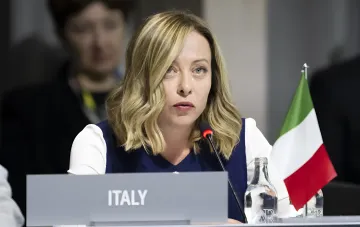
The initiative to restrict Spain's rights originates from Rome. Italian Prime Minister Giorgia Meloni previously confirmed that her government is considering the possibility of suspending Madrid's participation in the free migration zone. The Finnish minister urged colleagues to support this initiative.
Dutch Minister of the Interior Tom Burenzen took a similar stance. He called the events in Ceuta "disturbing" and expressed hope that Spain would do everything necessary to protect the EU's external borders. At the same time, Burenzen noted that responsibility lies not only with Madrid but also with Morocco, which must also take measures.
Scale of the Crisis in Ceuta
Ceuta, an autonomous Spanish enclave in North Africa, has faced the largest migration crisis in recent years. According to official estimates, up to 50,000 migrants may have illegally entered the enclave in the last 24 hours. Among those arriving were approximately 7,000 minors.
To stabilize the situation and ensure public order, Spanish authorities were forced to deploy army units. The migration collapse in Ceuta has become a catalyst for reviewing the principles of the Schengen Area's operation and has called into question the reliability of Spanish border control for the European Union.