The show "Ukraine's Got Talent" once launched many bright names, among which the winners of the first three seasons—Kseniya Simonova, Olena Kovtun, and Vitaliy Luzkar—hold a special place. Years after their television triumphs, their life and creative paths have taken different turns: some conquered international stages and continued a large-scale career, while others chose a quieter lifestyle or faced creative challenges. Styler analyzed what the main champions of the cult Ukrainian TV project are doing now.
International Success and Ambiguous Status of Kseniya Simonova
Kseniya Simonova won the first season of the show in 2009, amazing viewers and judges with her unique sand animation. Her emotional stories, created in real time on a light-box table, brought her global fame and opened doors to international venues. In 2011, she created sand art for singer Mika Newton's entry at the Eurovision Song Contest, where Ukraine took fourth place, and in 2019 she similarly represented Moldova at the same contest in Anna Odobescu's performance. Additionally, in 2019 Simonova reached the finals and finished third in "America's Got Talent: The Champions" and "Britain's Got Talent: The Champions."
That same year, the artist received a Russian literary award, which she did not refuse. Former show judge Igor Kondratyuk defended her, noting that her opportunities to openly protest against the occupation of Crimea might have been limited. In recent years, Simonova has not mentioned Ukraine or current military actions on her social media, continuing her creative work outside the active Ukrainian public space.
Musical Journey and Volunteering of Olena Kovtun
The winner of the second season in 2010 was visually impaired singer Olena Kovtun from Poltava, who captivated the audience with her soulful performance of Ani Lorak's song. The prize money of one million hryvnias allowed her to purchase her own apartment, followed by tours across Ukrainian cities. Over time, large-scale concert offers decreased, but Kovtun did not abandon music: she set up a home studio, records covers and original songs, and performs on a special voice portal for visually impaired listeners.
With the onset of the full-scale war, the singer actively joined in supporting the Ukrainian army. In February 2025, she spoke about organizing charity concerts in Lviv and Ternopil, which raised 400,000 hryvnias for the needs of the Armed Forces of Ukraine. Kovtun continues her creative work in Poltava and expresses a constant readiness to perform before Ukrainian military personnel.
Illusion Art and the Change in Vitaliy Luzkar's Public Status
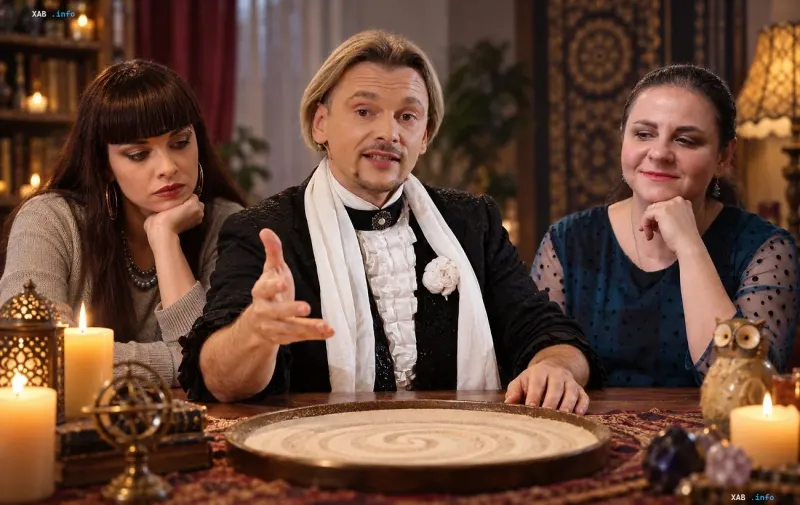
Vitaliy Luzkar became the winner of the third season of the show in 2011, beating rapper Artem Loik in the final. The young magician dreamed of developing stage magic in Ukraine, creating a specialized theater, and launching a television project. Together with his mentor Vitaliy Horbachevsky, he created the show "13 Illusions," touring the country and abroad, and also played a magician in the STB TV project "The House of Mysterious Adventures."
In subsequent years, Vitaliy Luzkar reduced his public profile, focusing on family life—he is married and has a son. On his social media pages, the magician refrains from public statements about the war. In March 2026, user attention was drawn to a change in geolocation on his Instagram page, indicating his stay in Spain.
The Impact of the Cult Show on Ukrainian Show Business
The fates of Kseniya Simonova, Olena Kovtun, and Vitaliy Luzkar demonstrate how large-scale television success can become a springboard for completely different life trajectories. Some secured a foothold on the world stage through unique genres, others found themselves in local creativity and volunteering, and some chose a quiet family life abroad. Shows like "Ukraine's Got Talent" permanently changed the landscape of the Ukrainian entertainment industry, giving viewers bright emotions and discovering unique talents whose legacy continues to live in the cultural space.