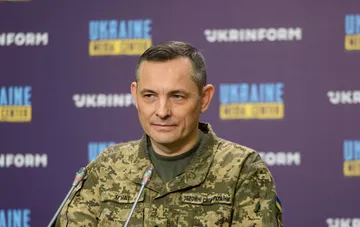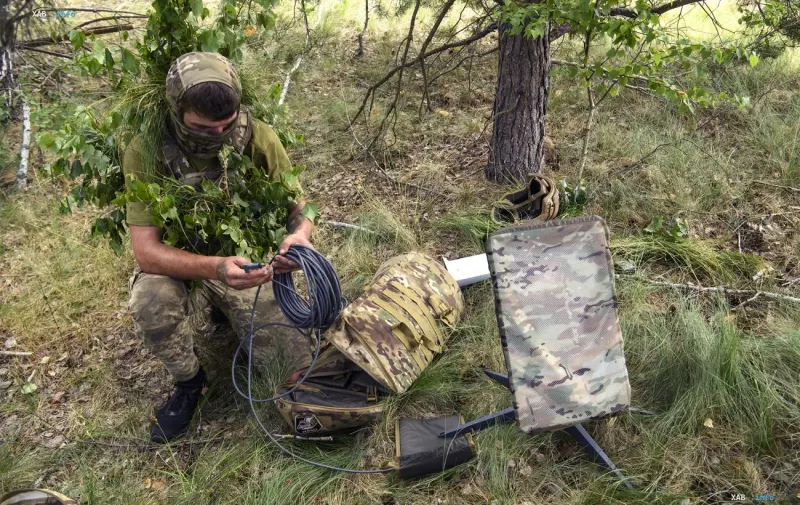
Ukraine's air defense system actively utilizes the Starlink satellite network to protect the skies from aerial threats, including intercepting targets and exchanging real-time data. Potential speed limits on terminal operations could completely block the deployment of advanced developments, such as jet-powered interceptor drones. This was stated by Yuriy Ihnat, Head of Communications for the Air Force Command, on the RBC-Ukraine podcast "TSY BAZA".
The Role of Satellite Communications in Army Aviation
According to the Air Force representative, Ukrainian helicopter pilots use Starlink terminals to ensure stable information exchange with combat control officers on the ground and more effectively acquire targets. Aircraft perform missions at high speeds reaching 350 kilometers per hour, making any delay or bandwidth limit critically dangerous. Introducing strict speed limits could create serious technical obstacles to combat missions performed by army aviation.
Furthermore, the military utilizes satellite internet for tactical aviation needs, ensuring reliable command and control of forces and assets amidst active electronic warfare countermeasures by the adversary. Such technological solutions allow for the prompt coordination of crew actions in real time, minimizing response times to operational developments.
Jet Drones and High Speed Requirements
One of the key areas for applying high-speed satellite internet is jet interceptor drones used to destroy aerial objects. The effectiveness of such unmanned vehicles directly depends on signal stability and communication channel bandwidth, as operating them at high speeds requires a continuous data stream.
Limiting data transmission speeds would make the operation of such systems significantly more complex or technically impossible. As Yuriy Ihnat emphasized, to effectively combat aerial threats, the military needs high-speed internet, which is why relevant agencies rely on the uninterrupted operation of specialized military communication versions, such as Starshield.
Restoration of Terminal Operations and Future Prospects
The issue of terminal performance at high object speeds has been repeatedly discussed in relevant agencies amid reports of imposed limits. As early as October 24, sources within the Ministry of Defense of Ukraine reported that military modifications of Starlink resumed stable operation at speeds exceeding 161 kilometers per hour.
Later, Defense Minister Yevhen Khmara confirmed that departmental monitoring systems record working terminal speeds at marks above 400 kilometers per hour, while the connection remains stable. Maintaining stable satellite communications allows Ukrainian forces to continue protecting airspace and maintain controllability of high-tech strike weapons.
The Importance of Stable Communications for Airspace Security
The situation surrounding the operation of satellite terminals demonstrates the high dependence of modern military operations on commercial and militarized space infrastructure. Uninterrupted high-speed data transmission remains a key factor for the successful interception of air targets, aviation coordination, and the deployment of unmanned systems. The overall effectiveness of the layered air defense system depends on resolving such technological issues.