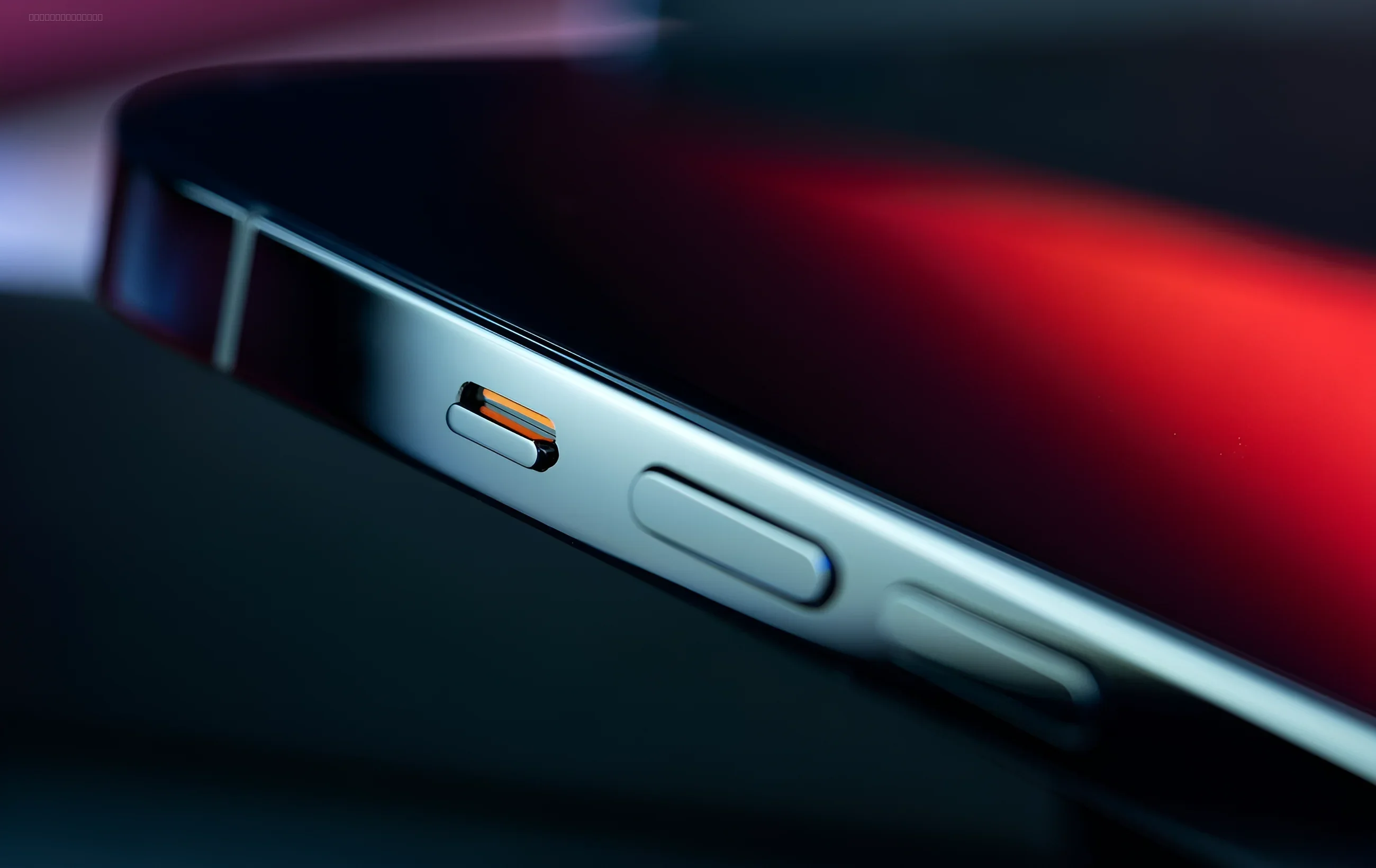
Imagine your smartphone can warn you about an approaching person who is still around the corner, or map a room while you are in an adjacent one. This is not science fiction, but a reality brought to us by researchers from the Massachusetts Institute of Technology (MIT).
Scientists have developed a revolutionary algorithm that allows standard LiDAR sensors, already built into many modern gadgets, to "see" through obstacles. The key difference of the new approach from classical methods lies in how the system processes light.
A standard laser rangefinder works on the principle of echolocation: it sends a pulse and waits for its return from an object in direct line of sight. Everything that does not fall into this direct beam is usually ignored as "noise." However, the MIT team decided to use this "noise" for good. Their software analyzes weak, scattered photons that reflect off walls, floors, and ceilings, assembling them into a single mosaic.
By combining this data obtained at different angles while moving the device, the system is capable of reconstructing the shape and tracking the dynamics of objects hidden behind walls or partitions. During laboratory tests, an ordinary consumer LiDAR sensor costing less than $100 was used, which successfully built 3D models of mannequins and recorded their movements in real-time.
At the current stage, the technology works most effectively if the system is pre-informed about the approximate shape of the sought objects. However, the main goal of the researchers is to train artificial intelligence to recognize absolutely unfamiliar shapes, which will make the technology universal and flexible.
The potential for implementing such solutions is huge and goes far beyond simple curiosity:
- Autonomous Robotics: Delivery or cleaning robots will be able to safely navigate around people coming around a corner before they even enter their field of vision.
- Assistance for the Visually Impaired: Smart glasses or wearable devices will be able to warn about obstacles around the corner, providing greater safety and independence.
- Smartphones and AR: Future generations of gadgets will receive updated capabilities for augmented reality and security systems, turning an ordinary phone into a powerful tool for spatial analysis.
As the authors of the study note, their task is the democratization of non-direct observation technologies. The transition to solutions available on mass-produced equipment will radically change how intelligent devices perceive the surrounding world.


