
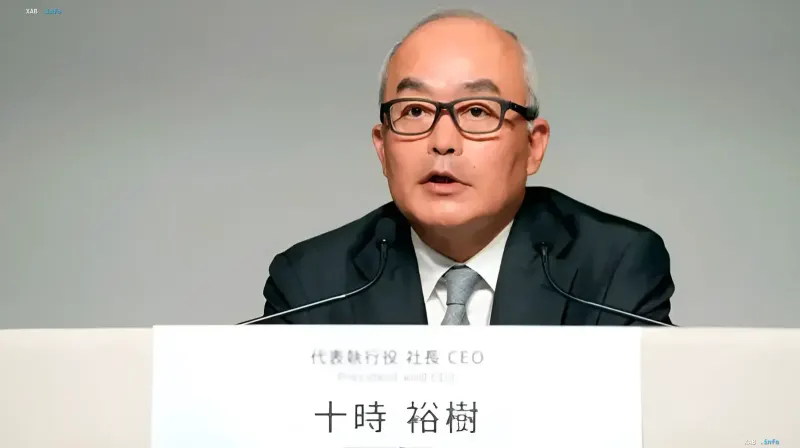
Significant changes have occurred at Sony Group Corporation that may foreshadow a global shift in the gaming industry. Immediately following the announcement of plans to completely discontinue the release of physical media for PlayStation consoles, the company's President and CEO, Hiroki Totoki, sold a significant portion of his personal shares. This event has sparked keen interest among analysts and investors trying to understand the true motives of top management.
Synchronization of Strategy and Personal Finances
On July 3, 2026, just two days after Sony Interactive Entertainment officially announced the cessation of optical disc production starting in January 2028, Hiroki Totoki sold 56.5% of his holdings. According to reports filed with the U.S. Securities and Exchange Commission (SEC), the transaction took place on the open market. The corporation's head sold 225,000 common shares at a price of $21.02 each, generating liquidity of nearly $4.73 million.
Following this transaction, Totoki's direct ownership volume decreased to 173,250 shares. Notably, similar actions were taken by the Chief Strategy Officer (CSO), Toshimoto Mitomo. He sold 25,000 shares, which amounts to about 18% of his personal stake, netting $525,500.
Market Reacts to Digital Transformation
Despite the massive sales by the leadership, Sony shares (NYSE: SONY) demonstrated resilience. On the day the strategy was announced, July 1, shares closed at $20.21. On the day of the transactions, July 3, the price rose to $21.02. By the end of the week, quotes adjusted to the range of $21.20–$21.40, showing a cumulative growth of 6% since the new business model was fixed.
Institutional investors view the abandonment of physical media as a step towards optimizing operating expenses. The liquidation of the complex production and logistics chain for releasing Blu-ray discs should improve business margins in the long term.
Conflict of Interest: Numbers vs. Fans
The decision to switch to fully digital distribution is motivated by changing consumer preferences. Internal Sony research shows that the share of game purchases in digital format via the PlayStation Store has already reached 80%.
However, the reaction in the consumer segment was mixed. The initiative sparked a wave of protest among collectors and the secondary market. On the Change.org platform, the petition "Don't Kill the Disc" gathered more than 216,000 signatures. Users express concern regarding issues of long-term content access preservation and ownership rights to games.
Interpretation of Insider Actions
Official Sony representatives have not yet commented on a possible link between the plans to abandon discs and the sale of shares by the leadership. In U.S. stock market practice, such actions are often explained by portfolio diversification, tax planning, or the execution of automatic programs under Rule 10b5-1. This is not always an indicator of negative expectations regarding the company's future.
Nevertheless, the synchronicity of events — the strategic announcement and the immediate realization of assets by top managers — forces observers to look for deeper reasons. The market, it seems, still believes in the efficiency of the new digital model, but time will tell whether fans' and investors' expectations will be justified by this radical step.


