South Korea's Ministry of Foreign Affairs announced on November 3 the beginning of the passport reissuance procedure for President Lee Jae-myung and First Lady Kim Heon-kyung. The decision was made after passport details and personal information of the head of state and his spouse were published on a cybersecurity website. According to the ministry, the incident affected a total of 168 individuals who participated in the president's June trip to Europe and is currently being investigated by police and relevant authorities.
What Exactly Became Publicly Available
According to information provided by the Vietnam News Agency (VNA) correspondent in Seoul, the leak included full names, workplaces, positions, dates of birth, passport numbers, and their expiration dates. Those affected included high-ranking officials, cabinet members, presidential administration and foreign ministry staff, security personnel, and accompanying journalists. Of particular note, the published details included information on medical workers and food safety inspectors who regularly accompany the president — which, observers assess, could have exposed the identities and biographies of individuals connected to the head of state's security.
Timeline and Nature of the Incident
South Korean media report that a data file titled "Passenger List (South Korea – Belgium)" was uploaded to a website on June 2, prior to President Lee's departure for Europe on June 9, and remained publicly accessible for several months. The Ministry of Foreign Affairs noted that the file format is similar to data tables typically used by the ministry, but could not confirm whether the document was official, as the possibility of it being edited after creation cannot be ruled out. It was initially established that this is a data leak rather than a cyberattack from external sources.
Agency Reactions and Remediation Measures
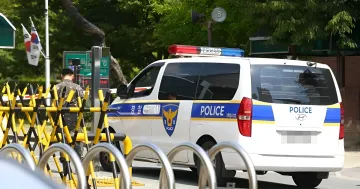
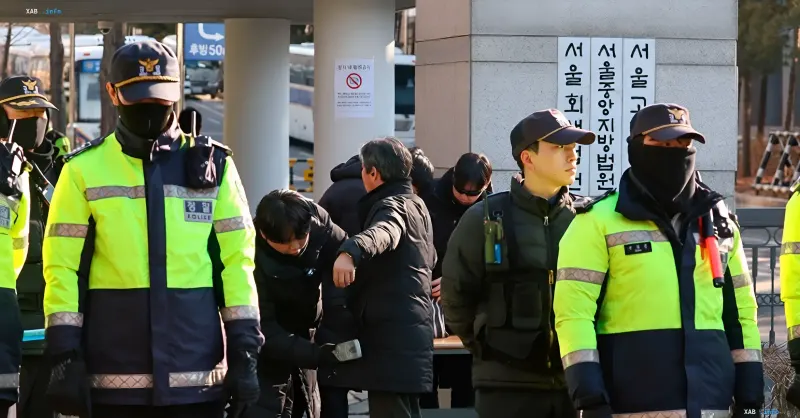
Foreign Ministry official Park Doo-woon stated that the ministry is coordinating with police and relevant agencies to determine the causes of the incident, the progress of the investigation, and accountability. Comprehensive verification measures have been adopted, including a thorough audit of computers and email accounts used in preparing the June trip. The ministry also demanded the deletion of the leaked data and an assessment of the risk of further personal information leakage. The Korean National Police Agency has launched its own investigation.
Emergency Meeting in the Presidential Administration
The South Korean presidential administration held an emergency meeting chaired by Chief of Staff Lim Kwang-hyun. Following the meeting, they demanded a thorough investigation into the incident, the identification of specific individuals responsible for the leak, and a review of security procedures for the president's foreign trips. Thus, the incident goes beyond a single technical error and raises systemic issues of management, storage, and protection of confidential data in the foreign policy sphere, primarily information concerning the head of state and his security forces.
What's Next
At present, the key tasks remain completing the police investigation, identifying the source of the leak and the degree of responsibility of specific employees, and checking whether the leaked data was used by third parties while the file was publicly accessible. The reissuance of passports to the president and first lady, initiated on November 3, is the first practical measure to neutralize the risks associated with the compromise of the head of state's passport data.