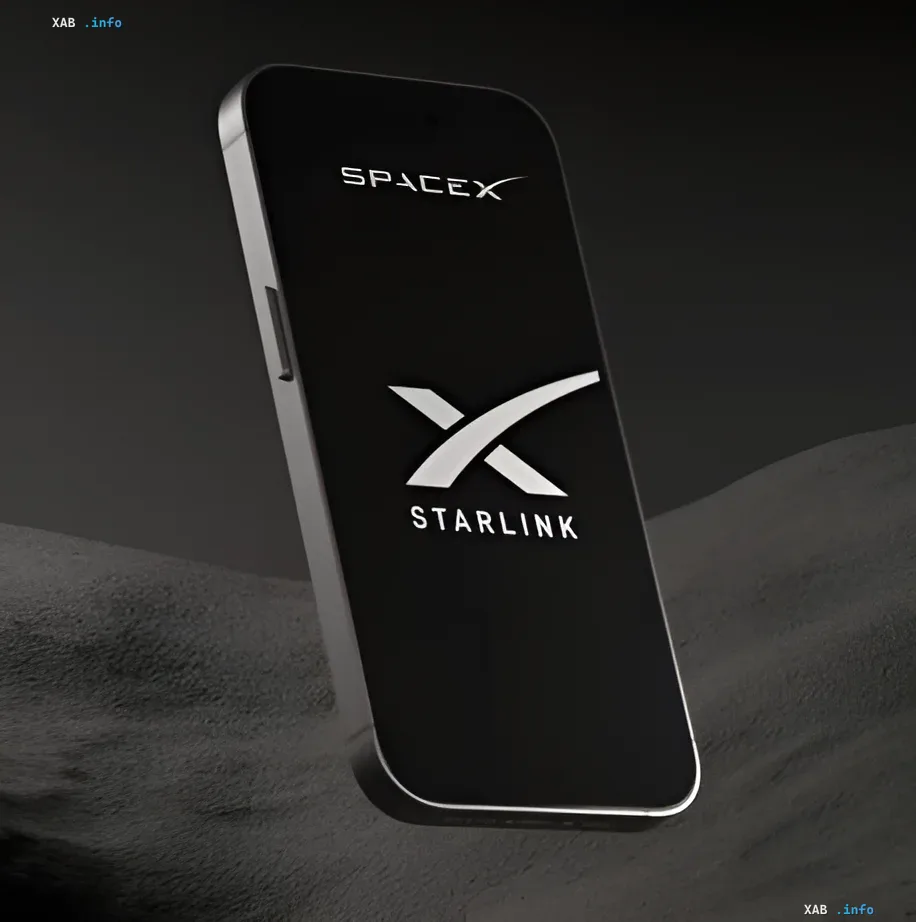
Amid preparations for one of the largest initial public offerings (IPOs) in the history of the technology sector, a new information scandal has erupted around the aerospace corporation SpaceX. The business publication The Wall Street Journal (WSJ) published a report claiming that the company developed an early prototype of a portable gadget with artificial intelligence. However, SpaceX CEO Elon Musk promptly responded to the publication, calling the information "absolutely false".
Technological Profile of the Leak: Prototype Specifications
According to insider sources cited by WSJ, SpaceX did indeed demonstrate the device to a closed pool of investors. The gadget concept, described by sources, suggests the creation of an independent consumer ecosystem aimed at reducing user dependence on dominant platforms like Google and Apple.
Experts who analyzed the information highlighted several key design specifications of the alleged device:
- Hardware Platform: The device is based on Qualcomm's Snapdragon family of mobile processors.
- Operating System: A proprietary closed-source OS is being developed, optimized for hybrid computing and minimizing power consumption when working with neural networks.
- AI Integration: Deep integration of algorithms and language models from Grok, developed by the xAI division. According to the leak, the integration of xAI into the SpaceX structure was supposed to take place in 2026.
- Infrastructure: A key advantage is claimed to be the ability to directly pair with the Starlink satellite constellation to ensure autonomous access to cloud computing.
The device's form factor is described as ultra-thin, with a chassis thickness smaller than that of current iPhone models. The software strategy, according to analysts, is focused on creating a multifunctional "superapp" similar to the Chinese WeChat ecosystem, combining a messenger, payment terminal, and voice assistant.
Official Position and Market Context
Despite the detailed description of the device in the media, official representatives of SpaceX and Qualcomm refused to comment on the publications. Elon Musk used the social network X to categorically deny the fact of conducting such hardware developments within the company.
The situation is complicated by the fact that the leak occurred immediately before the planned SpaceX IPO, valued at approximately $7.5 billion. Investment fund analysts suggest that the emergence of such rumors could be a tool to generate interest from technology investors. However, the risks of entering the personal gadget market remain high: the market has already seen commercial failures of the first autonomous AI devices, such as the Humane AI Pin and Rabbit R1.
Regulatory Risks and Asset Verification
An important aspect of the situation is the requirements of the U.S. Securities and Exchange Commission (SEC). According to stock market regulations, any technological demonstrations within pre-IPO procedures impose strict obligations on the issuer to verify assets. This explains the caution of officials in publicly evaluating unannounced products: confirming the existence of a prototype could require disclosing details the company is not yet ready to announce, while denial allows for flexibility.
Thus, at this moment, the project's status remains in a zone of uncertainty: on one hand, there are detailed descriptions from insiders, and on the other, a direct denial from the company's head. The market will closely watch how SpaceX discloses information about its assets during its stock market listing.


