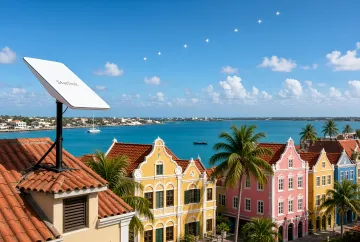
SpaceX, led by Elon Musk, has taken a radical step in the American telecommunications market by announcing a significant price reduction for the portable Starlink Mini equipment kit. In early October 2026, the price of the compact satellite antenna dropped to a historical low of 149 US dollars. This move marks a new phase in the company's strategy to capture the mass mobile internet market and overcome price barriers for everyday American consumers.
Price Drop Dynamics and Economic Context
Previously, users had to pay significantly more for a similar device. Initially, at launch, the Starlink Mini kit was priced at 599 dollars, making it a niche product for enthusiasts and corporate clients with large budgets. Later, the cost dropped to 199 dollars, but the current price tag of 149 dollars represents a 75% drop from the original price and a further 25% reduction from the recent cost. Analysts attribute this aggressive pricing policy not only to the optimization of SpaceX's manufacturing chains but also to potential preparation for the upcoming release of next-generation hardware.
Roam Tariff Plans and Mobile Usage
The Starlink Mini device was designed specifically for active lifestyle users, travelers, RV owners, and remote workers in the field. For owners of portable kits, SpaceX offers specialized monthly Roam tariff plans that provide flexible connectivity to the global satellite network without a fixed address. Lowering the hardware entry barrier makes these tariffs significantly more attractive to a mass audience that previously hesitated to invest heavily in equipment.
Contradictory Data
It is worth noting that the expert community and various technology publications have certain discrepancies in evaluating the reasons for such a sharp price maneuver. While most specialized sources emphasize exclusively the marketing strategy of expanding the customer base and competing with traditional providers, some independent analysts claim that the price cut was directly provoked by the imminent announcement of an updated hardware lineup and the need to urgently clear out first-generation inventory.
Prospects for Global Availability
Telecom market experts agree that the cheaper Starlink terminals in the US will inevitably affect the company's pricing in other regions of the world. As the US market becomes saturated, similar promotions and revisions to the baseline equipment cost may also affect international markets, opening new prospects for providing reliable high-speed internet to remote regions.